Quick Summary
Merchant ships are specially designed to transport different types of cargo and passengers. Each type is built for a specific commercial purpose, such as carrying containers, crude oil, liquefied gas, bulk cargo, vehicles, or passengers. Their design and equipment vary according to the cargo they carry. Understanding these ship types provides a strong foundation for learning about global maritime trade and careers in the Merchant Navy.
What Are Merchant Ships?
Merchant ships are commercial vessels used to transport cargo and passengers by sea. Unlike naval vessels, they are built for trade and other commercial operations. Because different types of cargo require different handling methods, merchant ships are designed in various forms, each suited to a specific purpose.
Benefits of Understanding Merchant Ship Types
Many people imagine every merchant ship as a large container ship, but in reality, the Merchant Navy includes many specialised vessels, each designed to perform a different commercial role. Knowing the main ship types helps you understand how shipping works and prepares you for your preferred career pathway.
Highlights of Merchant Ship Types
- Merchant ships are designed around their commercial purpose.
- Different cargoes require different ship designs and equipment.
- Most merchant ships have Deck and Engine Departments.
- Some ships transport cargo, while others carry passengers or provide specialised maritime services.
- Ship type often influences onboard equipment, daily operations, and career specialisation.
What are the Different Types of Merchant Ships?
Merchant ships are built for different commercial purposes. The categories below represent the major types you are most likely to encounter as a maritime aspirant. They are not a complete classification of all merchant vessels.
Container Ship
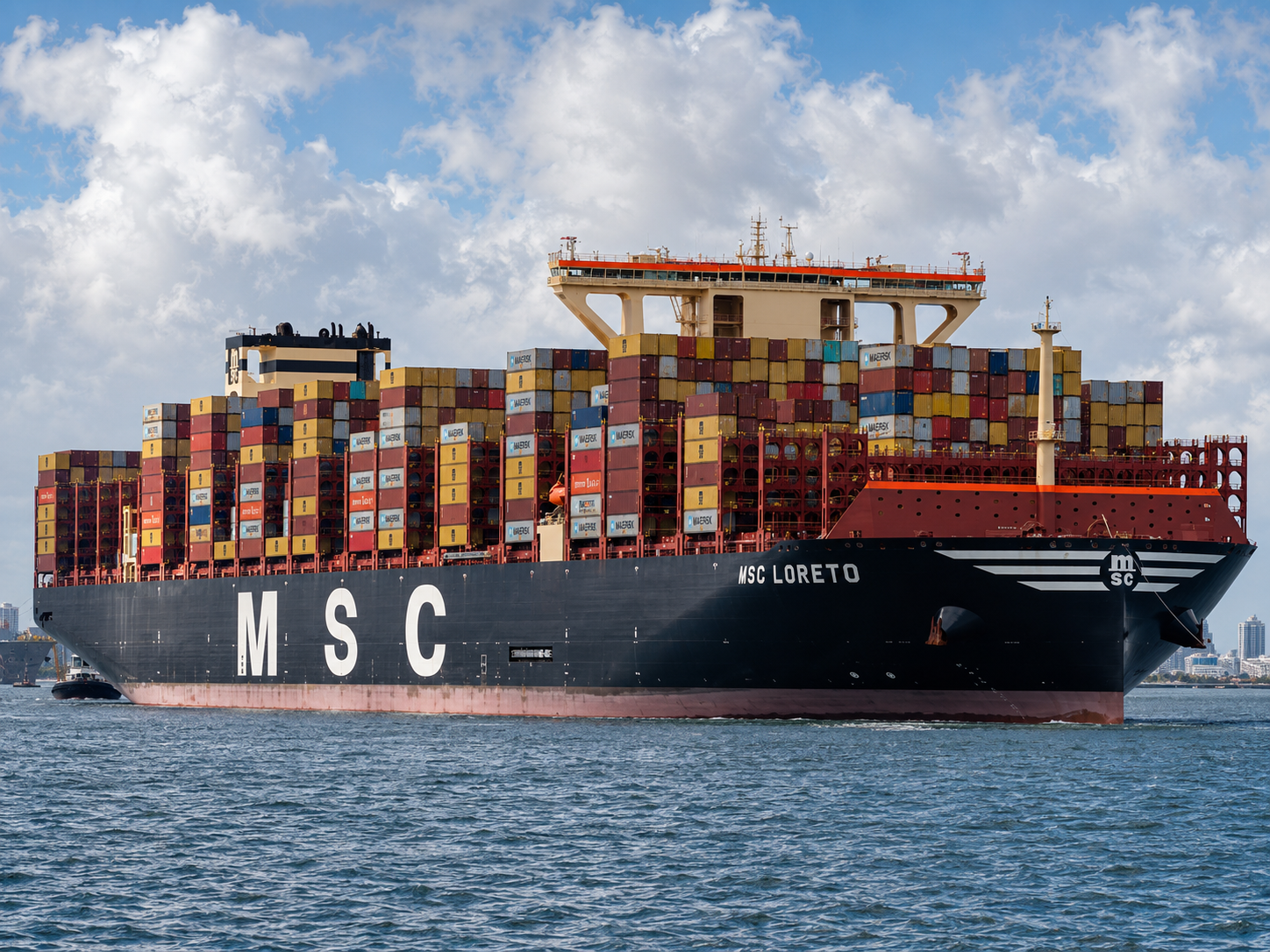
Container ships carry the standard steel containers you often see on trucks and trains. These containers can hold almost anything, from electronics and clothing to furniture and food, making container ships one of the most important links in global trade.
Bulk Carrier
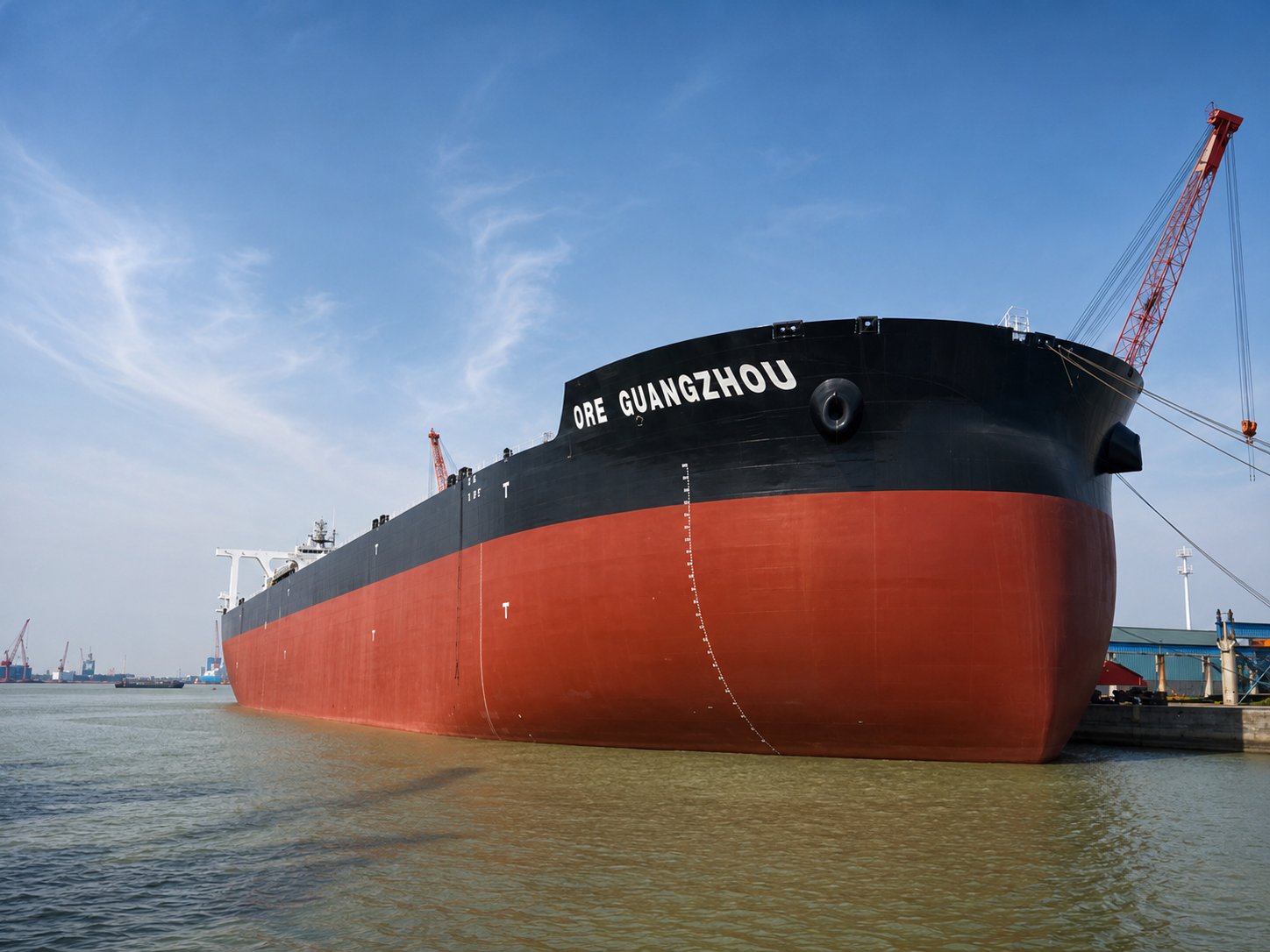
Bulk carriers transport unpackaged raw materials such as coal, iron ore, grain, and cement. Instead of containers, the cargo is loaded directly into large cargo holds, allowing huge quantities of a single commodity to be moved efficiently.
Oil Tanker
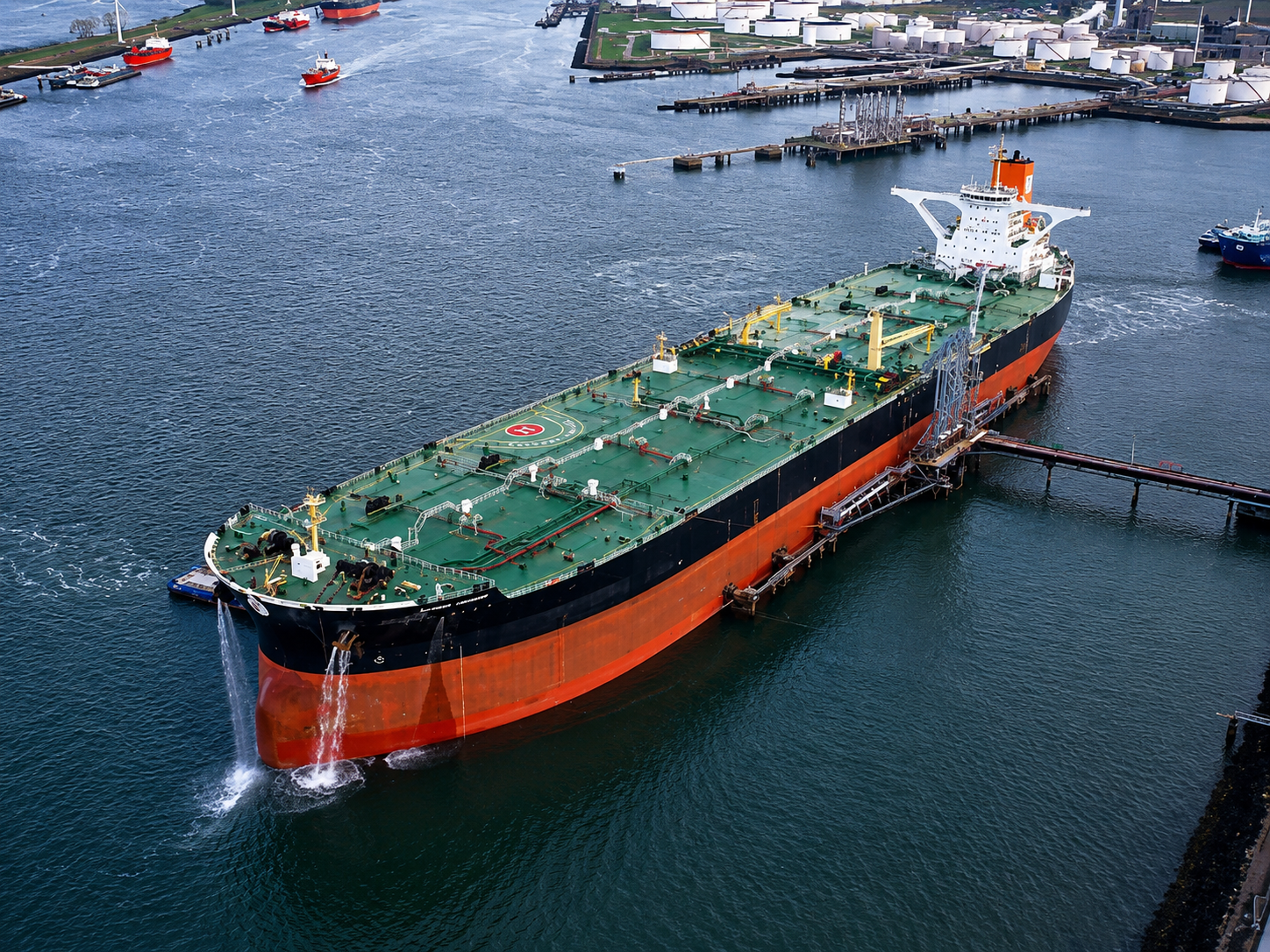
Oil tankers are designed to carry crude oil and refined petroleum products in large cargo tanks. They play a vital role in the global energy supply chain, transporting fuel from oil-producing regions to refineries and distribution terminals.
Chemical Tanker
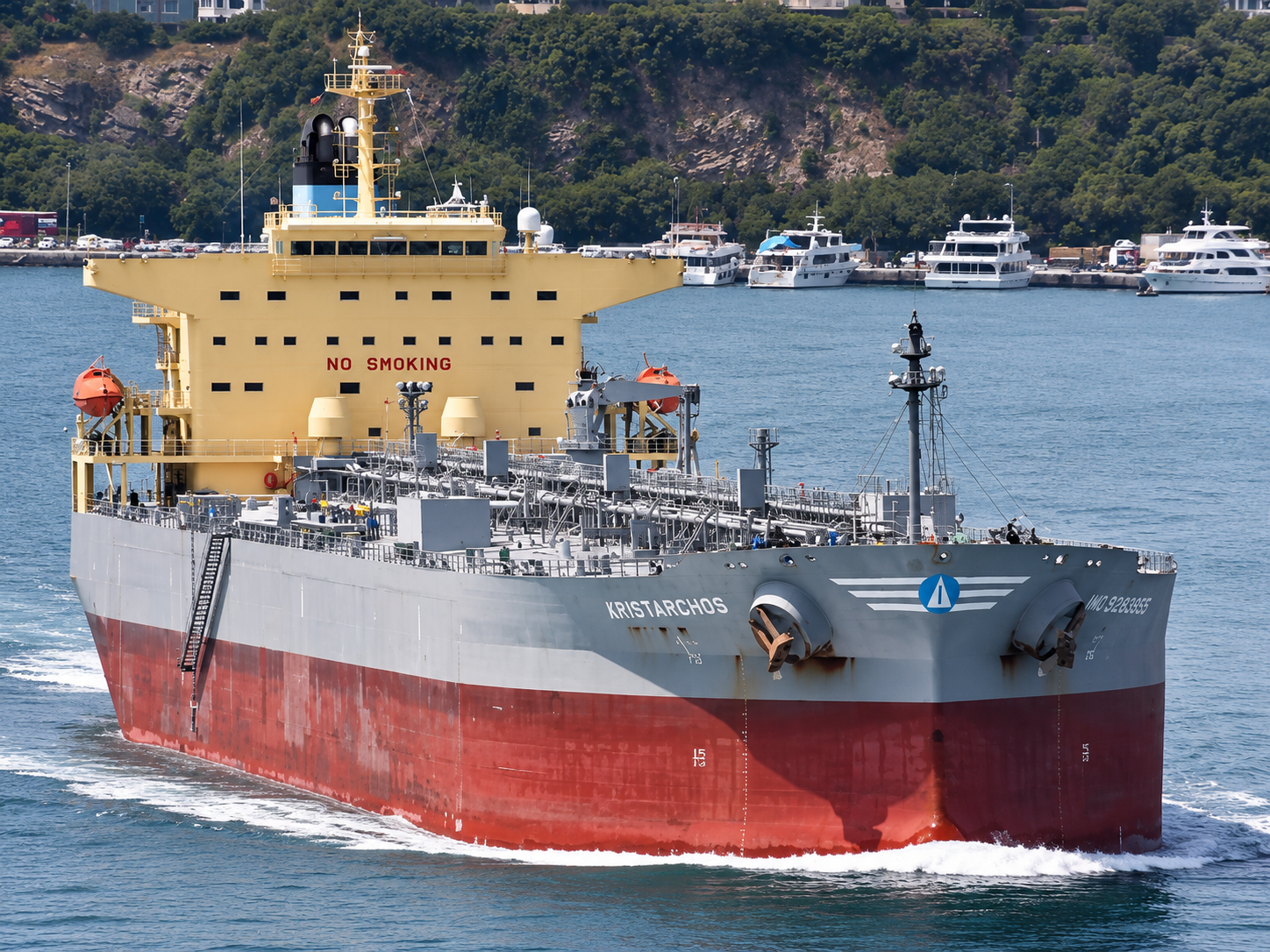
Chemical tankers carry liquid chemicals that often require careful handling. Their cargo tanks are specially designed to prevent contamination, allowing different chemicals to be transported safely while meeting strict international safety requirements.
Gas Carrier
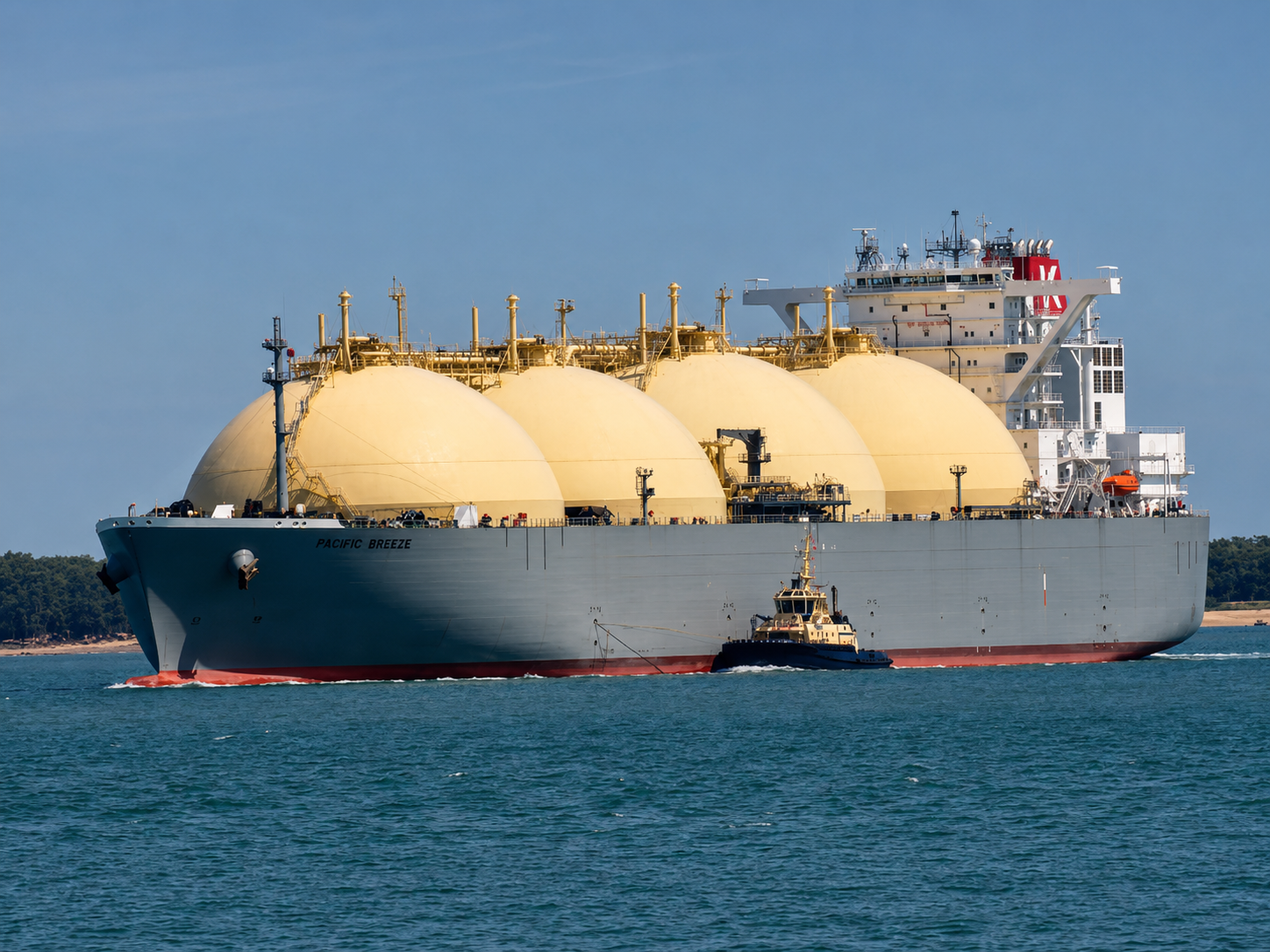
Gas carriers transport liquefied gases such as LNG and LPG. Because these cargoes must be kept at extremely low temperatures or under pressure, these ships use advanced cargo systems and operate under some of the highest safety standards in the industry.
Ro-Ro Ship
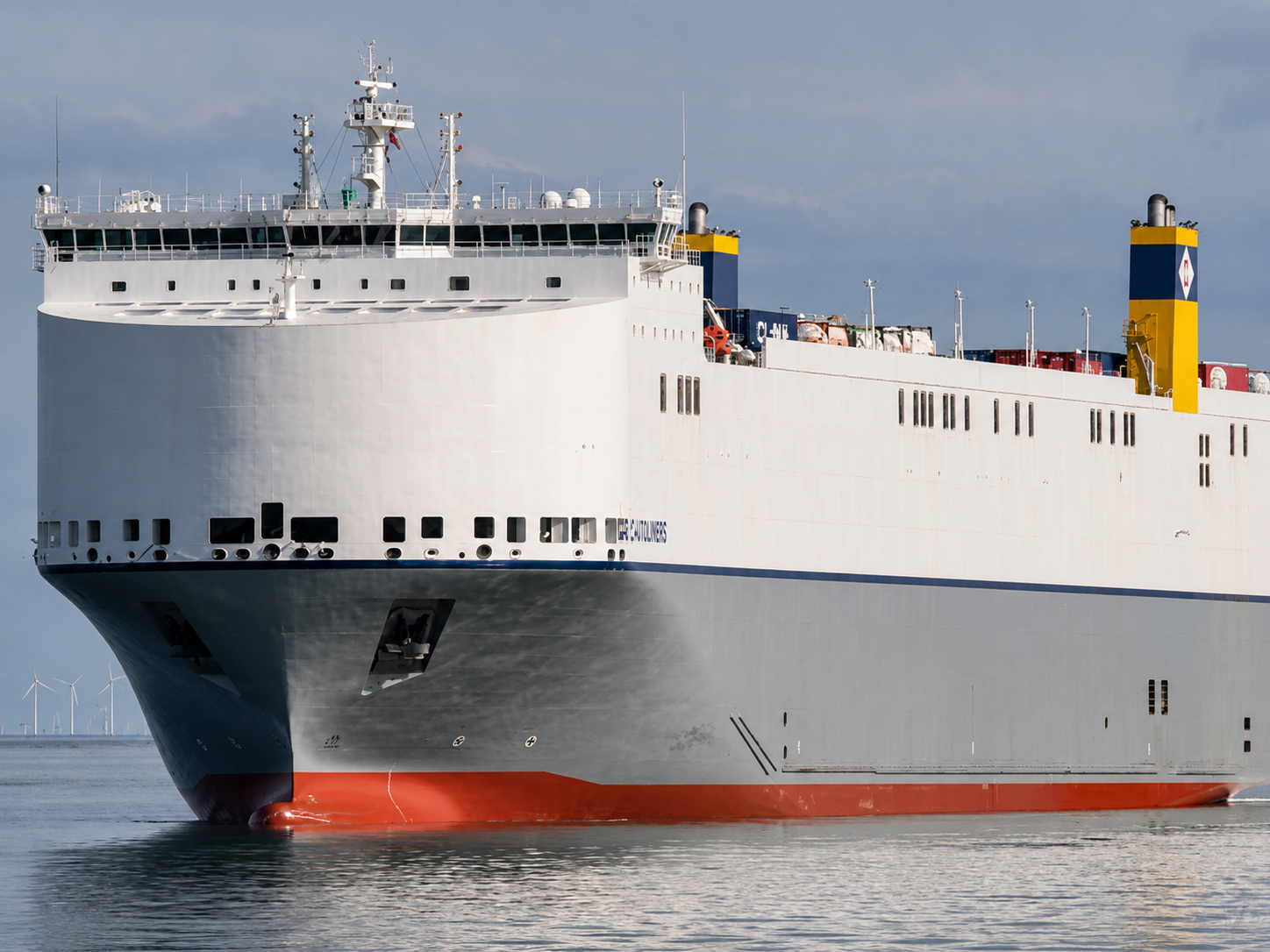
Ro-Ro stands for Roll-on/Roll-off. Instead of lifting cargo with cranes, vehicles such as cars, trucks, buses, and heavy machinery are simply driven onboard using ramps, making loading and unloading much quicker.
Passenger Ship
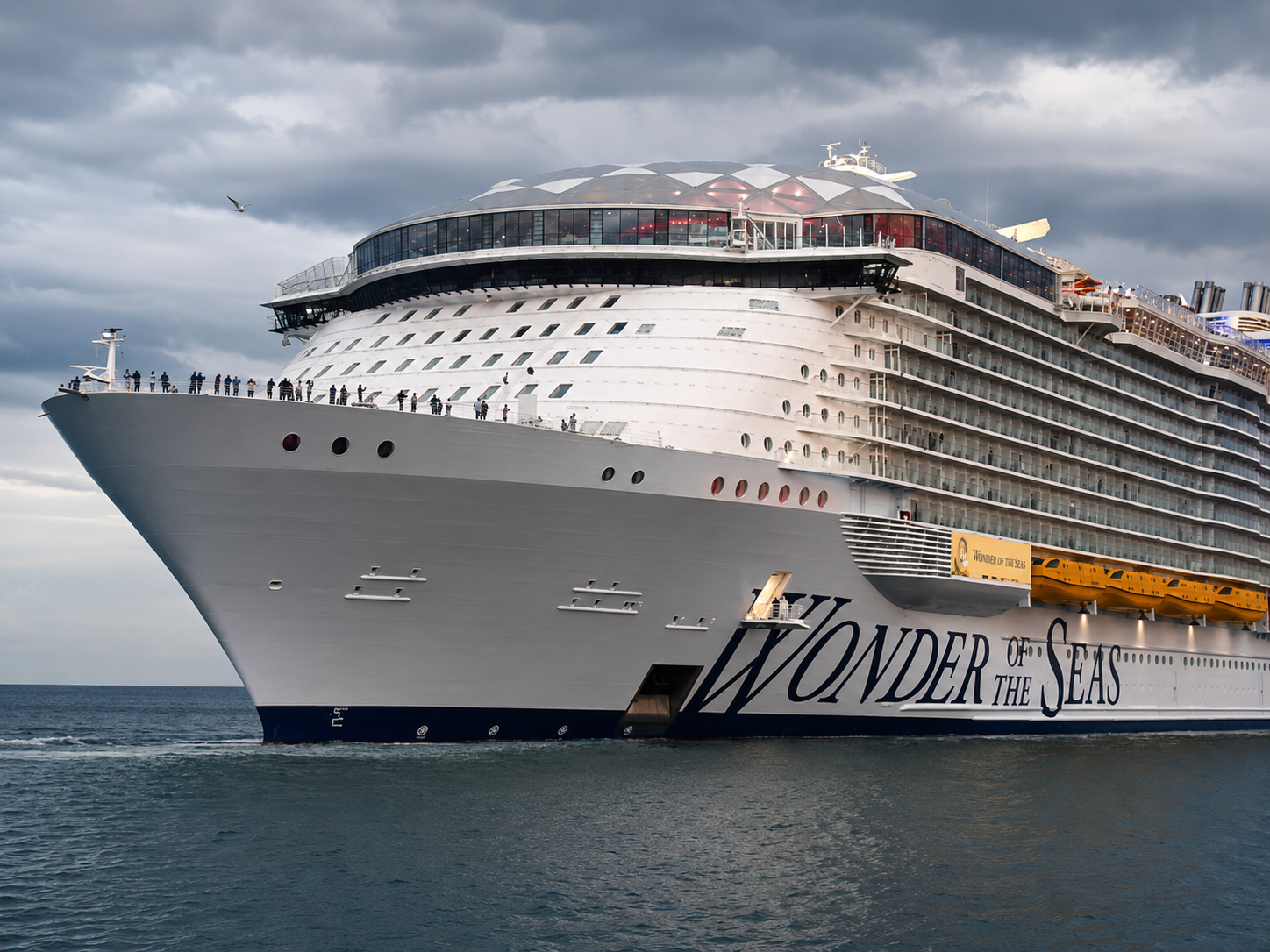
Passenger ships are built to carry people rather than cargo. They include ferries, which operate on regular routes, and cruise ships, which combine transportation with leisure and tourism.
Offshore Support Vessel
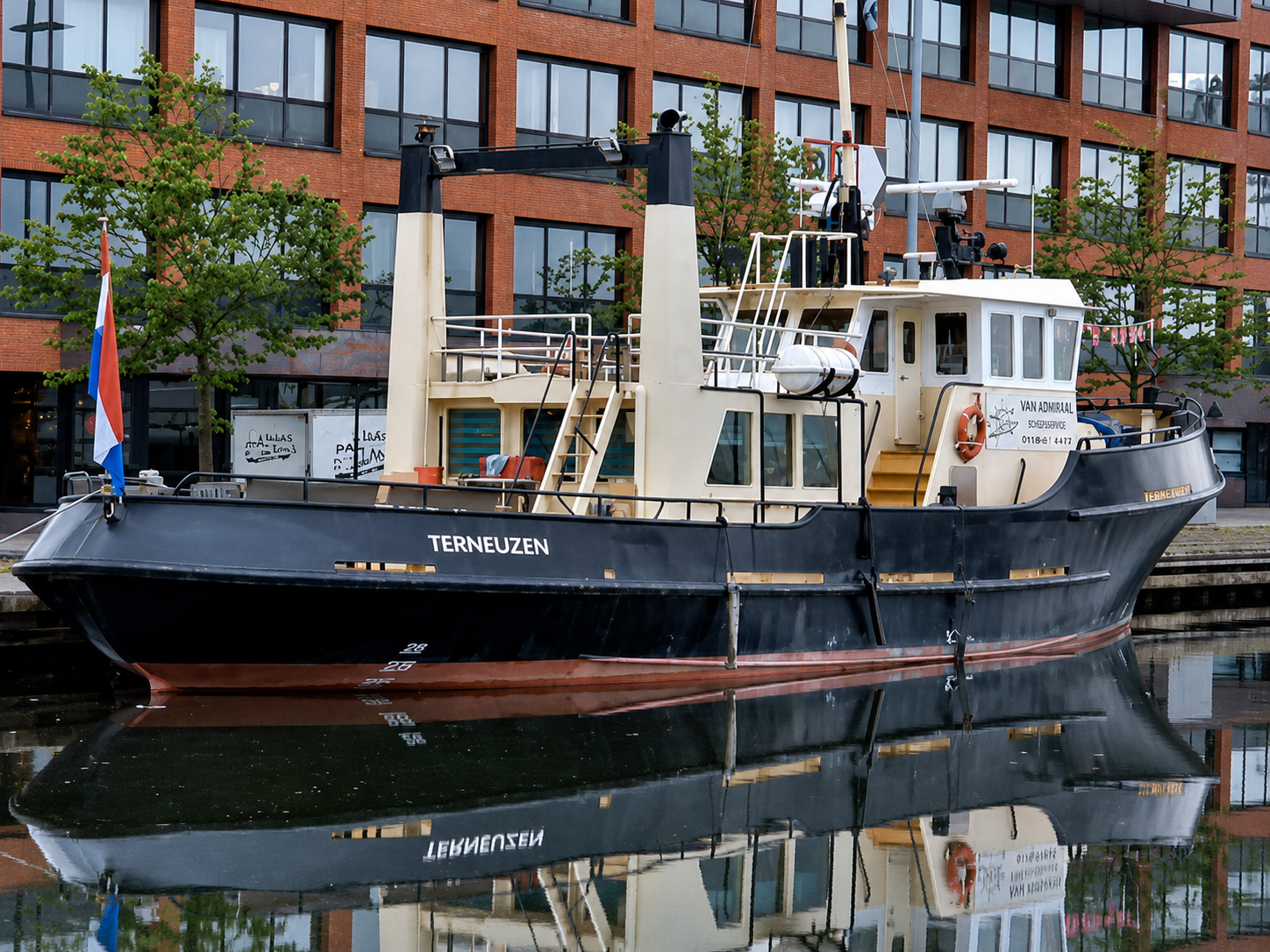
Offshore support vessels don’t usually transport cargo between ports. Instead, they support offshore oil, gas, and renewable energy projects by carrying personnel, equipment, fuel, and supplies to offshore installations.
General Cargo Ships are another important traditional merchant vessel category, carrying a variety of packaged cargoes that do not fit bulk or container systems.
Many other specialist merchant vessels, including Vehicle Carriers, Heavy Lift/Project Cargo Ships, Cable Layers, and similar ships, also exist but are beyond the scope of this introductory article.
Comparison of Merchant Ship Types by Purpose, Features, and Operations
| Ship Type | >Primary Cargo / Purpose | >Key Identification Features | Typical Cargo / Operation | Image |
|---|---|---|---|---|
| Container Ship | Standard shipping containers | Stacks of containers on deck and in holds | Consumer goods, electronics, clothing | ![]() |
| Bulk Carrier | Unpackaged dry bulk cargo | Large hatch covers over wide cargo holds | Iron ore, coal, grain, cement | ![]() |
| Oil Tanker | Crude oil and petroleum products | Long flush deck with pipelines; cargo tanks below deck | Crude oil, diesel, gasoline, fuel oil | ![]() |
| Chemical Tanker | Liquid chemicals | Multiple segregated cargo tanks with extensive piping | Methanol, acids, vegetable oils, industrial chemicals | ![]() |
| Gas Carrier | Liquefied gases (LNG/LPG) | Large insulated tanks, either spherical or membrane-type | LNG, LPG, ammonia/td> | ![]() |
| Ro-Ro Ship | Vehicles and wheeled cargo | Stern/side ramps and enclosed vehicle decks | Cars, trucks, buses, heavy machinery | ![]() |
| Passenger Ship | Passenger transport | Accommodation blocks, lifeboats, and public facilities | Ferries and cruise operations | ![]() |
| Offshore Support Vessel (OSV) | Offshore energy support | Large open aft working deck and deck cranes | Supplies, equipment, and personnel for offshore platforms | ![]() |
Common Myths About Different Types of Merchant Ships
- Assuming all merchant ships are container ships.
- Believing oil tankers, chemical tankers, and gas carriers transport the same cargo.
- Thinking different ship types only differ in size rather than in commercial purpose.
- Assuming every merchant ship follows the same cargo handling and safety procedures.
- Believing all merchant ships operate on identical routes and serve the same global trade needs.
Frequently Asked Questions
1. What is the most common type of merchant ship?
There is no single “most common” merchant ship worldwide because global trade relies on many specialised vessel types. Bulk carriers, tankers, container ships, and general cargo ships all operate in large numbers, with their prevalence varying by region, trade patterns, and cargo demand.
2. Why are merchant ships different sizes?
Merchant ships are designed to suit the cargo they carry, the routes they sail, and the ports they visit. Factors such as canal restrictions, water depth, cargo volume, loading facilities, and operating costs all influence a vessel’s dimensions and carrying capacity.
3. Do all merchant ships have Deck and Engine Departments?
Most merchant ships have both Deck and Engine Departments, which work together to ensure safe navigation and reliable machinery operation. The number of personnel in each department varies according to the ship’s size, level of automation, trading pattern, and regulatory requirements.
4. Which ship type carries the largest cargo?
It depends on how “largest” is defined. Bulk carriers and crude oil tankers carry the greatest cargo by weight, container ships carry the most containers, while heavy lift vessels transport exceptionally large or heavy individual cargoes that conventional ships cannot safely carry.
5. Which merchant ship is best for cadets?
There is no universally “best” merchant ship for cadets. The ideal choice depends on career goals, company opportunities, and personal interests. Every ship type offers valuable training, while specialised sectors such as gas carriers or tankers may provide additional technical exposure and career pathways.
6. Which ships do cadets usually join?
Cadets can join almost any type of merchant ship depending on their sponsoring company, training programme, and available berths. Many companies assign cadets to fleets they primarily operate, allowing them to gain practical experience under the guidance of experienced officers and crew.
7. Can officers work on different types of ships?
Yes. Many deck and engine officers transfer between different merchant ship types during their careers after completing any required familiarisation or additional training. Others choose to specialise in sectors such as tankers, gas carriers, or offshore vessels because of career interests or company opportunities.
References and Further Reading
- VesselFinder https://www.vesselfinder.com/
- StatCode5 https://cdn.ihs.com/www/pdf/Statcode-Shiptype-Coding-System.pdf
- International Maritime Organisation https://www.imo.org/
- United Nations Conference on Trade and Development (UNCTAD) https://unctad.org/
- BIMCO https://www.bimco.org/
- International Chamber of Shipping https://www.ics-shipping.org/
Written by Abhiraj Singh
Content Writer | Deck Cadet