Container Ships Explained: Types, TEU and Containerization

Container Ship at a Glance

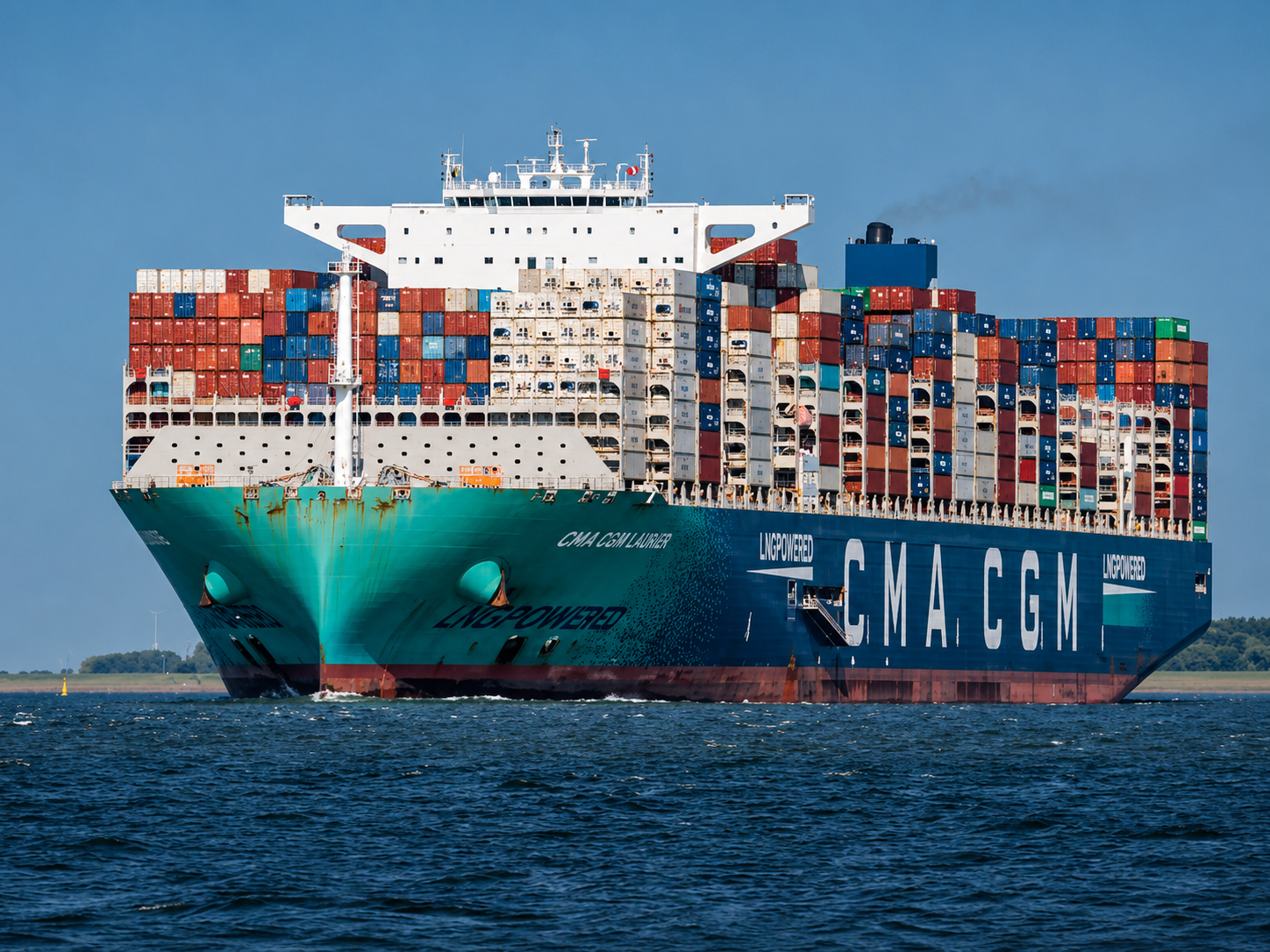
Container ships are merchant vessels designed to transport standardised shipping containers efficiently across global trade routes. Through containerization, they move everyday goods safely and seamlessly between ships, trucks, and trains, making them one of the most important and recognisable vessel types in the Merchant Navy.

What is a Container Ship?

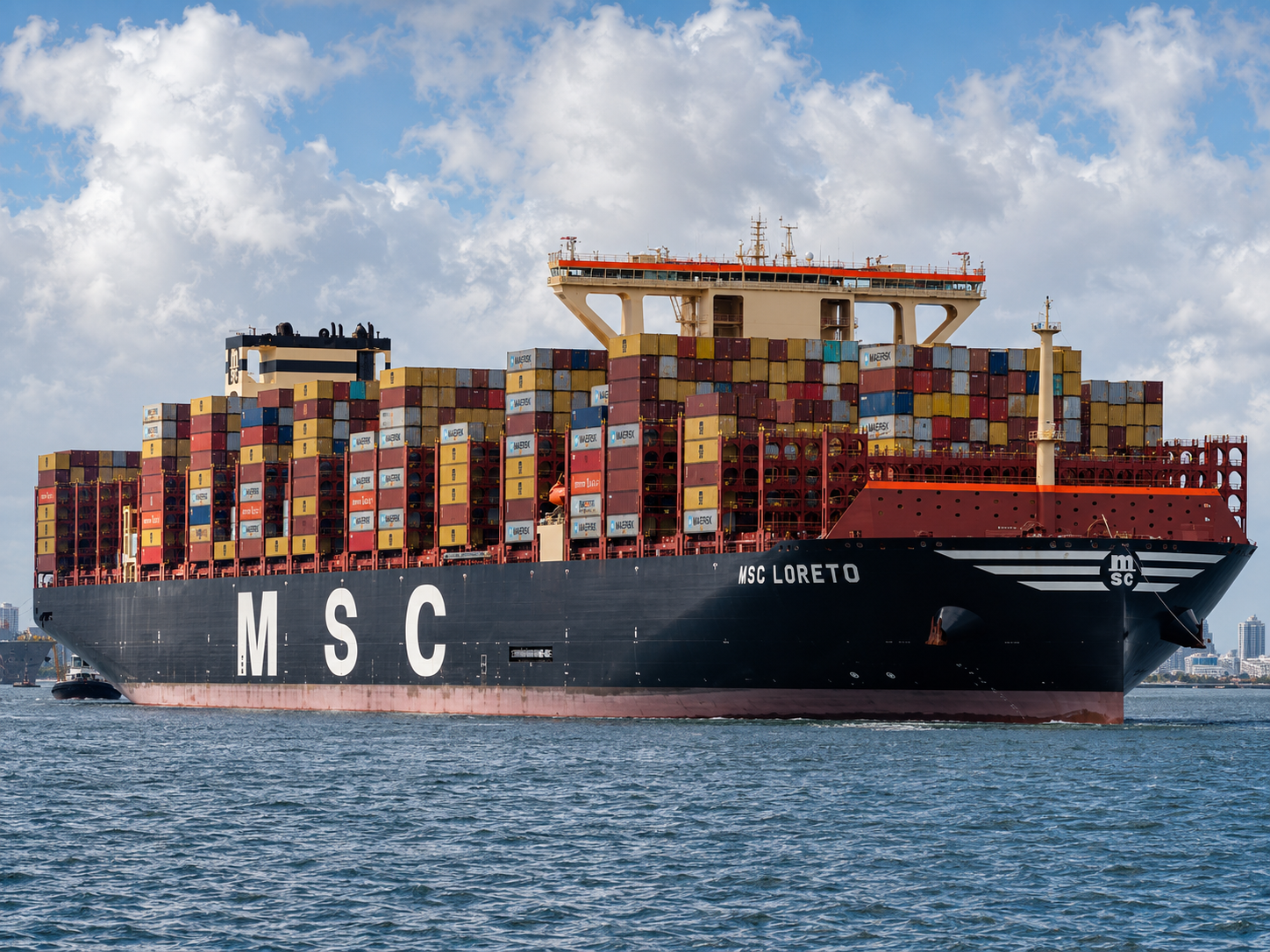
A container ship is a merchant vessel designed to transport standardised ISO containers between ports. Today, these ships form the backbone of global trade, carrying everything from electronics and clothing to machinery and food products.

Before containerisation, cargo was transported as breakbulk cargo, with individual boxes, sacks, and crates loaded and unloaded by hand. The process was slow, labour-intensive, and prone to damage and theft. In 1956, American entrepreneur Malcolm McLean introduced the first modern container shipping system, revolutionising cargo transport.

This system, known as containerisation, allows sealed ISO containers to be transferred directly between ships, trucks, and trains without unpacking the cargo inside. Standard container dimensions enable ports worldwide to use the same handling equipment, making cargo transport faster, safer, and more efficient.

How Does a Container Ship Work?

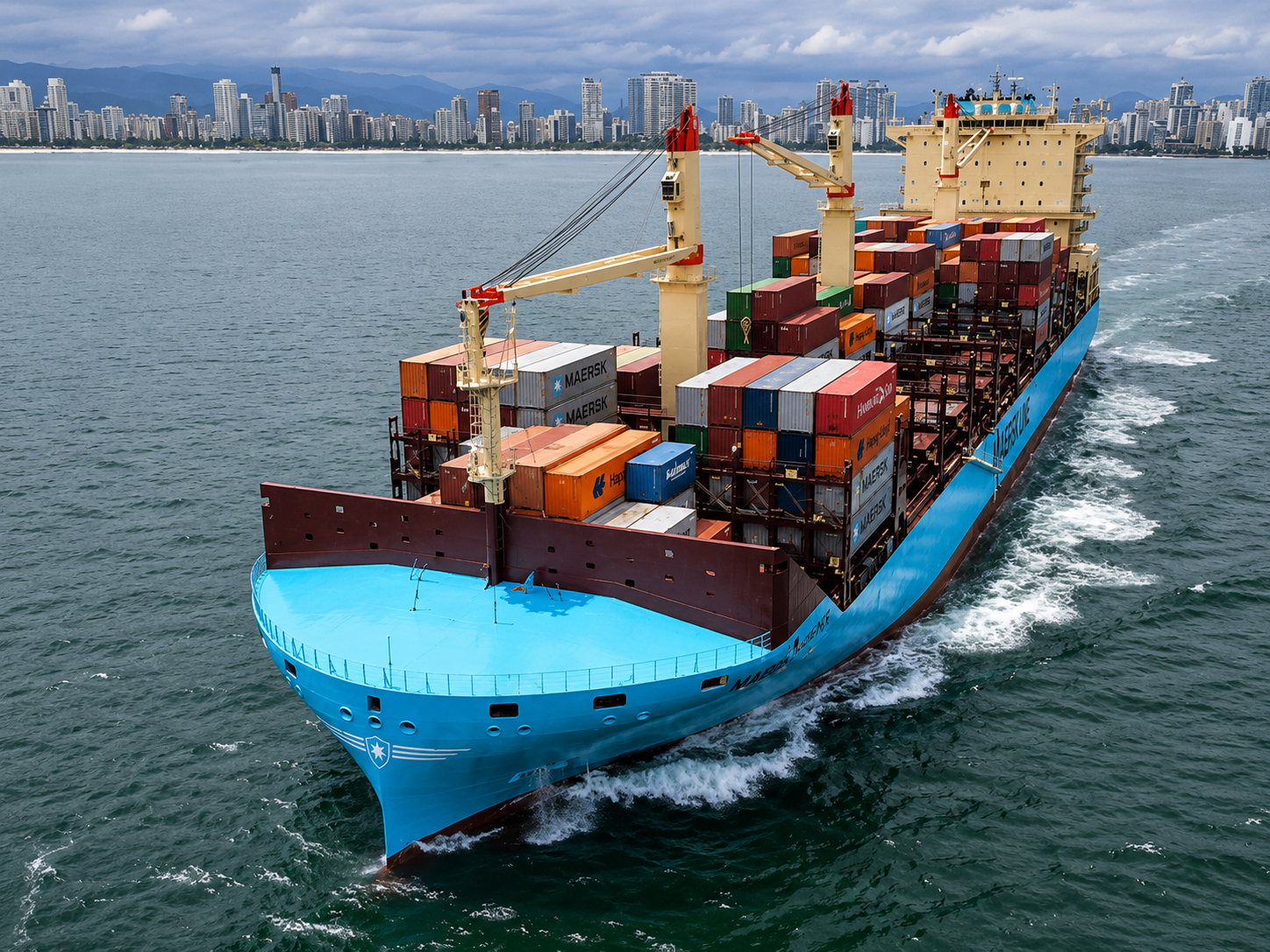
Container ships carry thousands of ISO containers stacked below deck in cell guides and on deck. Containers are loaded and unloaded using shore-based gantry cranes or the ship’s own cranes on geared vessels, then secured with twist locks, lashing rods, and turnbuckles to prevent movement at sea.

How do Container Ships Operate?

Most container ships operate on liner services, following fixed routes and published schedules between major ports. Unlike tramp ships, which sail wherever cargo is available, liner vessels maintain regular schedules to ensure reliable, efficient movement of cargo through global supply chains.

What Are the Advantages and Disadvantages of Container Ships?

Container ships are one of the most efficient ways to transport cargo across the world. Their biggest advantage is containerization, where standardised containers make loading, unloading, and transferring cargo between ships, trucks, and trains faster and safer. This reduces costs, protects cargo, and supports global trade.

Despite these benefits, container shipping also has disadvantages. Large container ships need deep-water ports, specialised cranes, and costly infrastructure. Poorly packed or incorrectly declared containers can also create serious safety risks. Port congestion and supply chain delays may further affect schedules.

Overall, the advantages of container ships usually outweigh the disadvantages, making them the backbone of modern international trade.

What Are the Different Types of Container Ships?

TypeCapacity (TEU)DescriptionImage
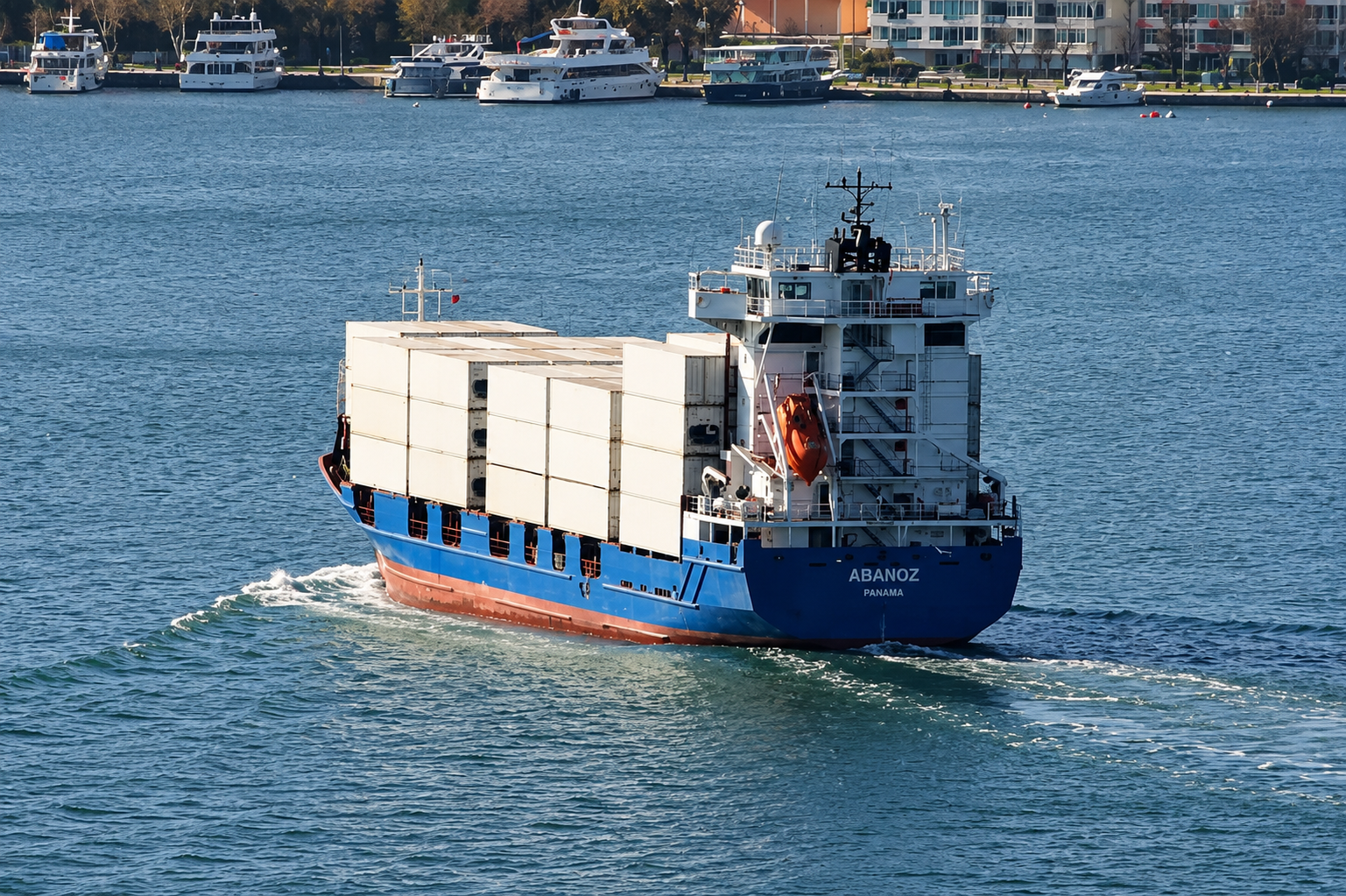
FeederUp to 2,000Serves regional ports and major hub ports.
Feedermax2,001–3,000Largest feeder vessels for regional routes.
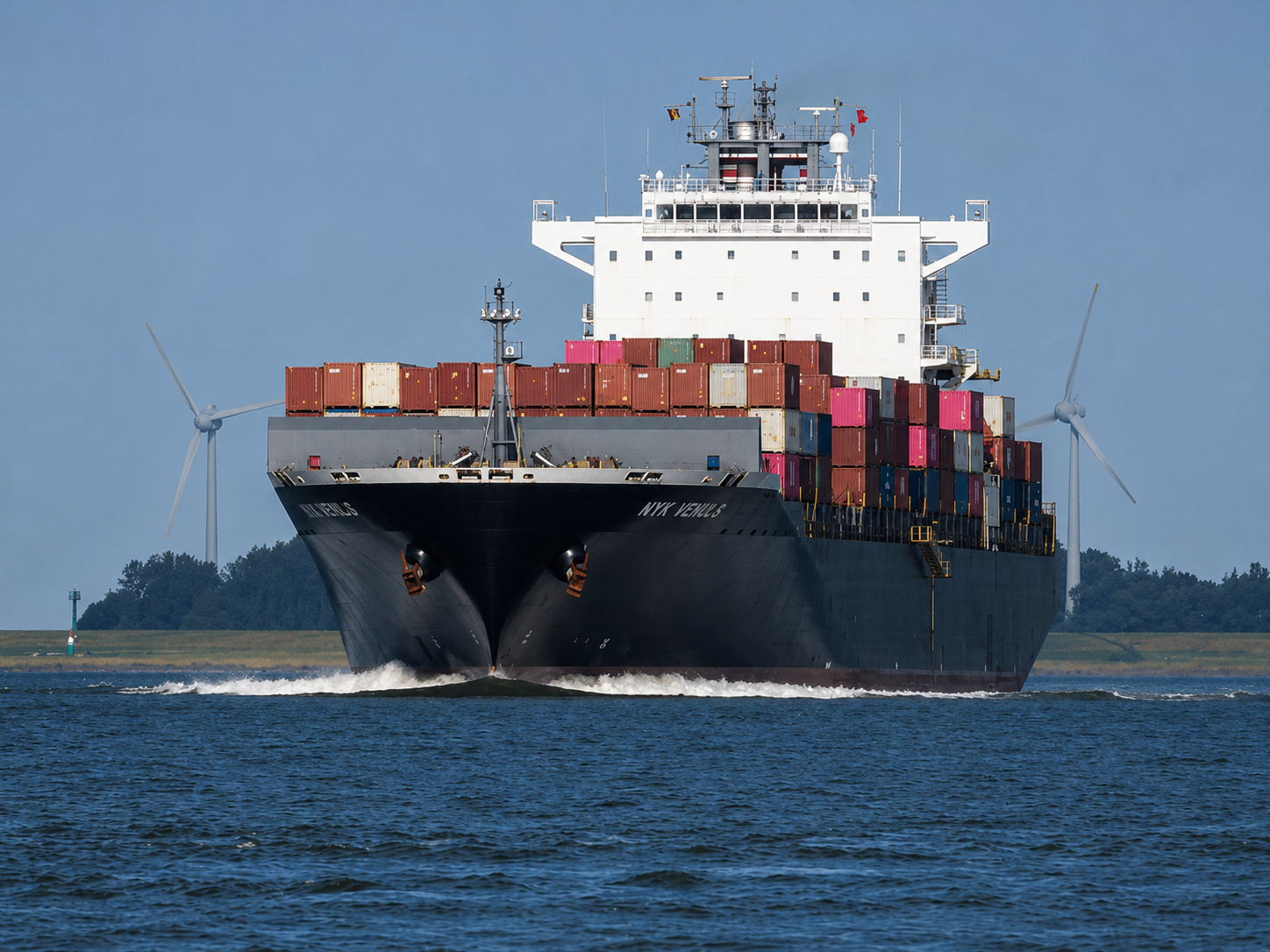
Panamax3,001–5,100Built for the original Panama Canal.
Neo-Panamax10,001–14,500Designed for the expanded Panama Canal.
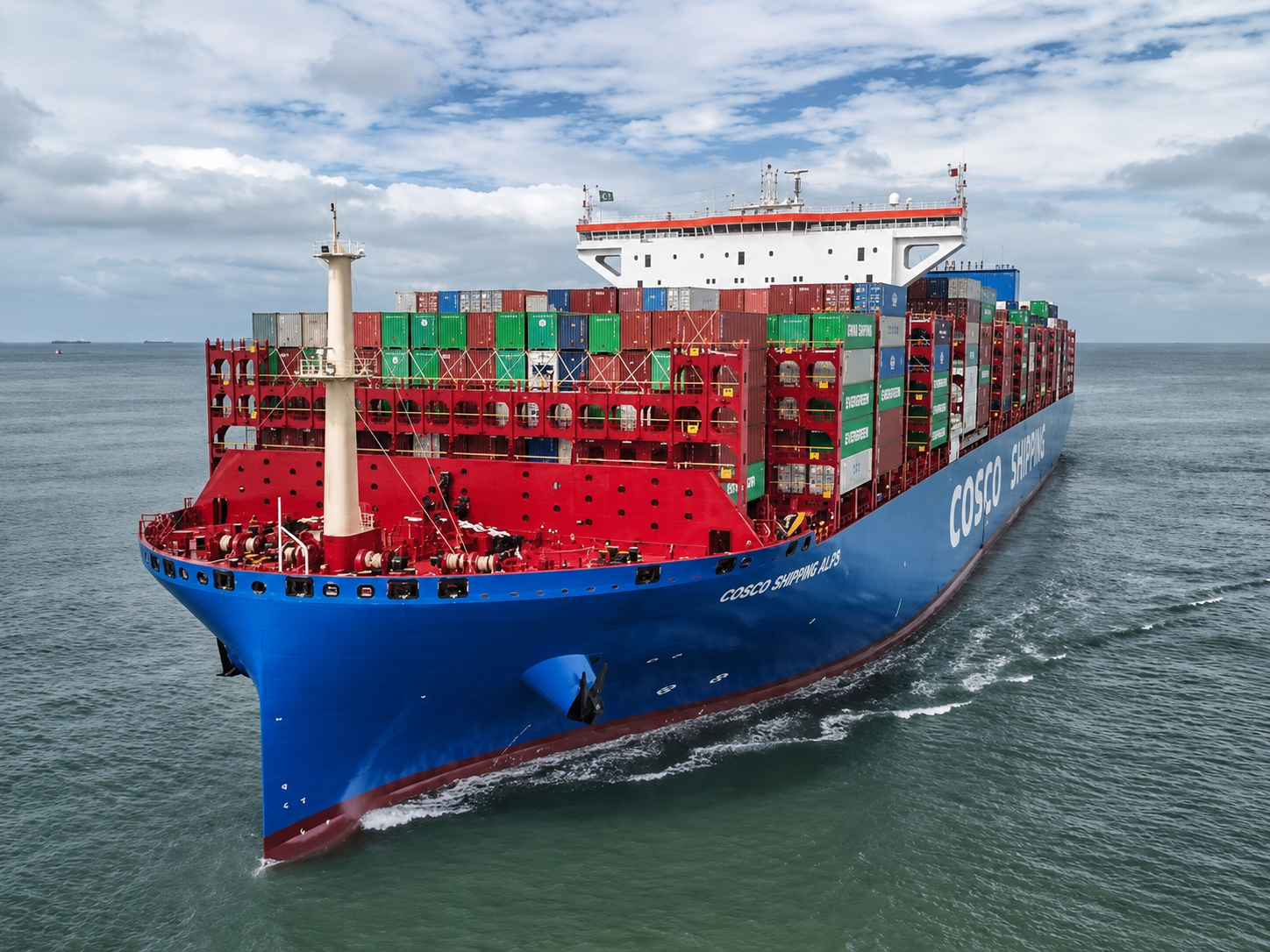
Ultra Large Container Ship (ULCS)14,501+Operates mainly on high-volume international trade routes.

What Are the Common Types of ISO Containers?

TypeUseImage
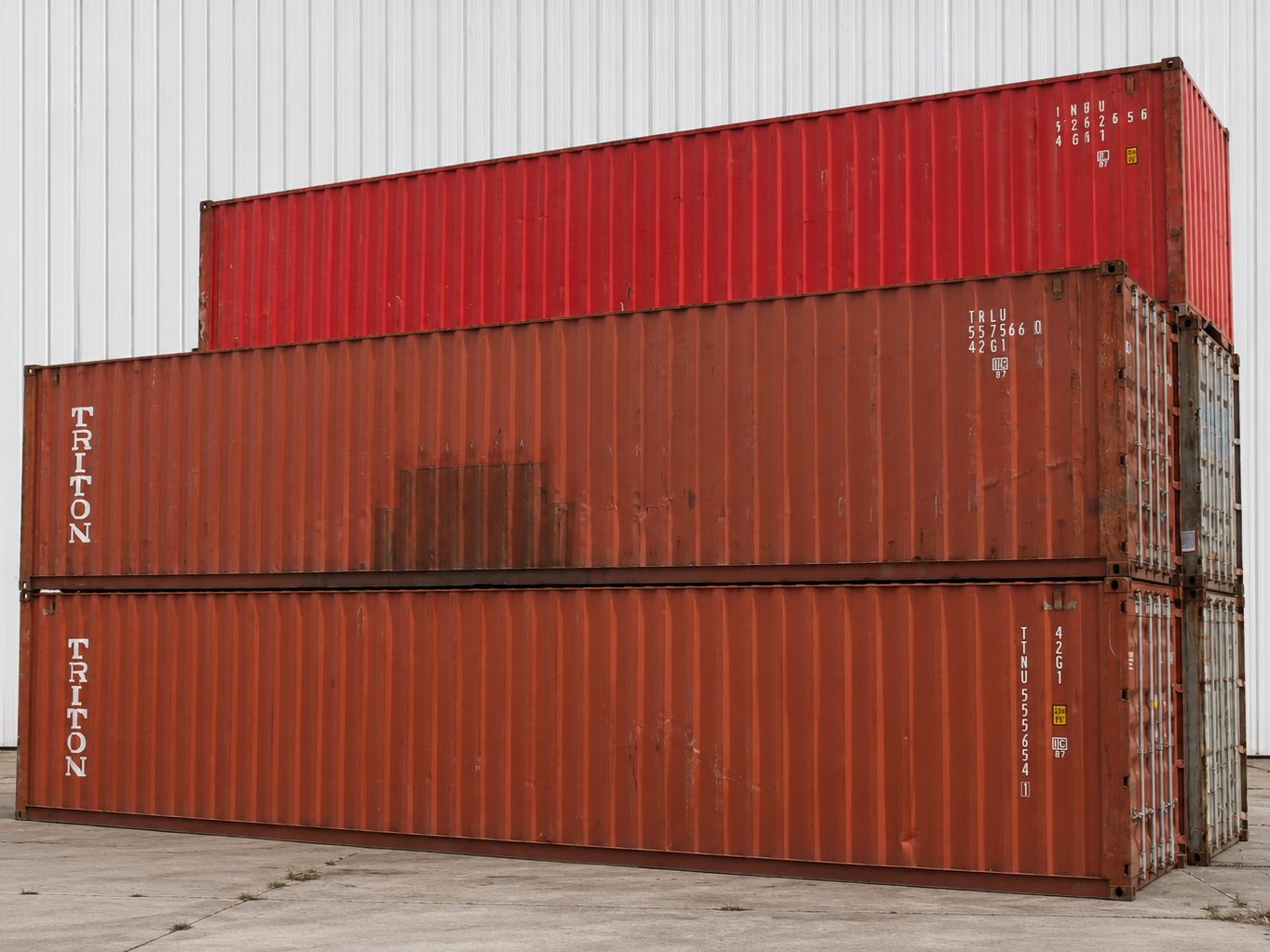
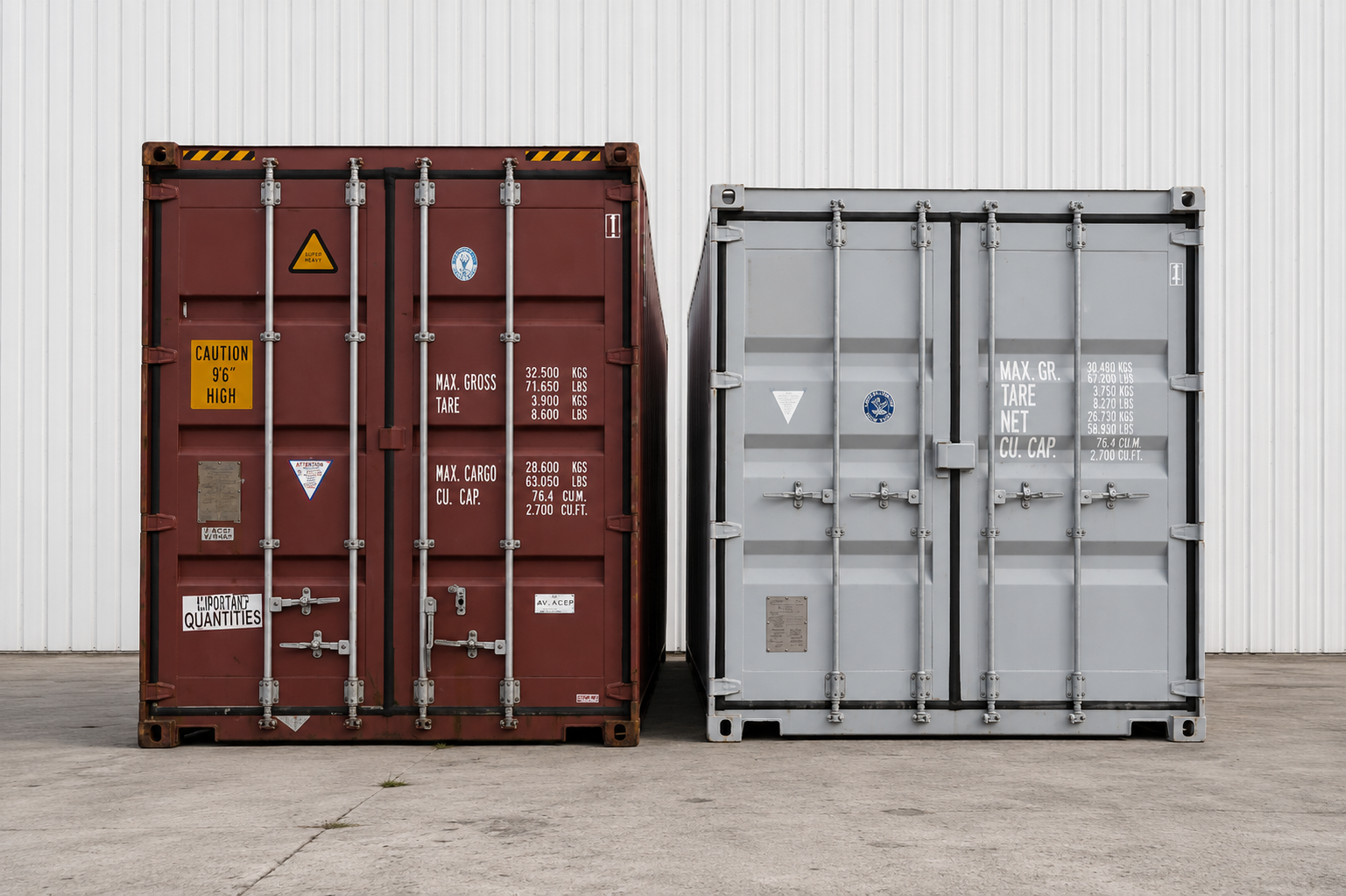
Dry Container (General Purpose)Standard container for most packaged cargo.
High Cube ContainerTaller container providing additional cargo volume.
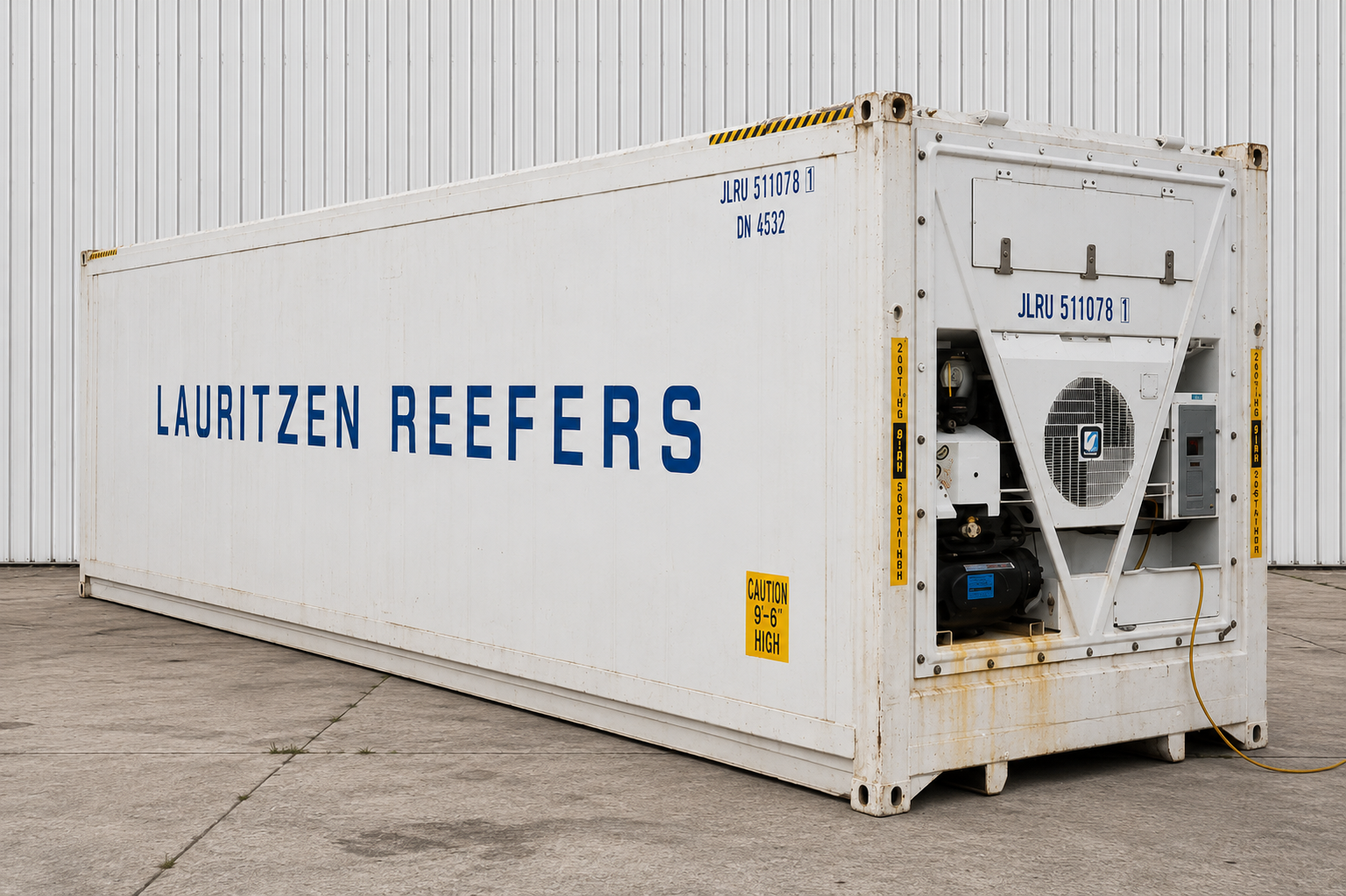
Reefer ContainerTemperature-controlled container for perishable cargo.
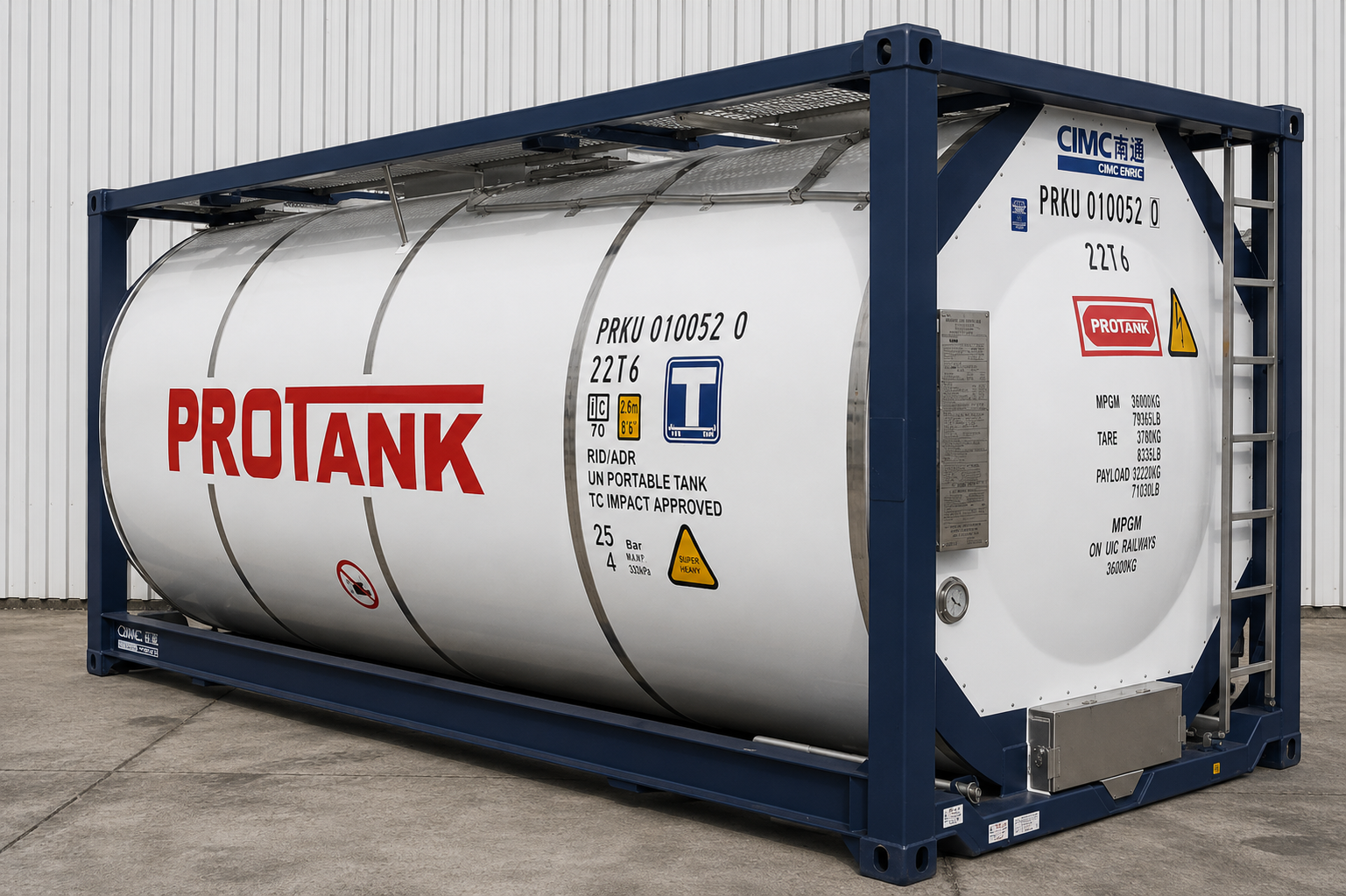
Tank ContainerUsed for liquids, chemicals, and gases.
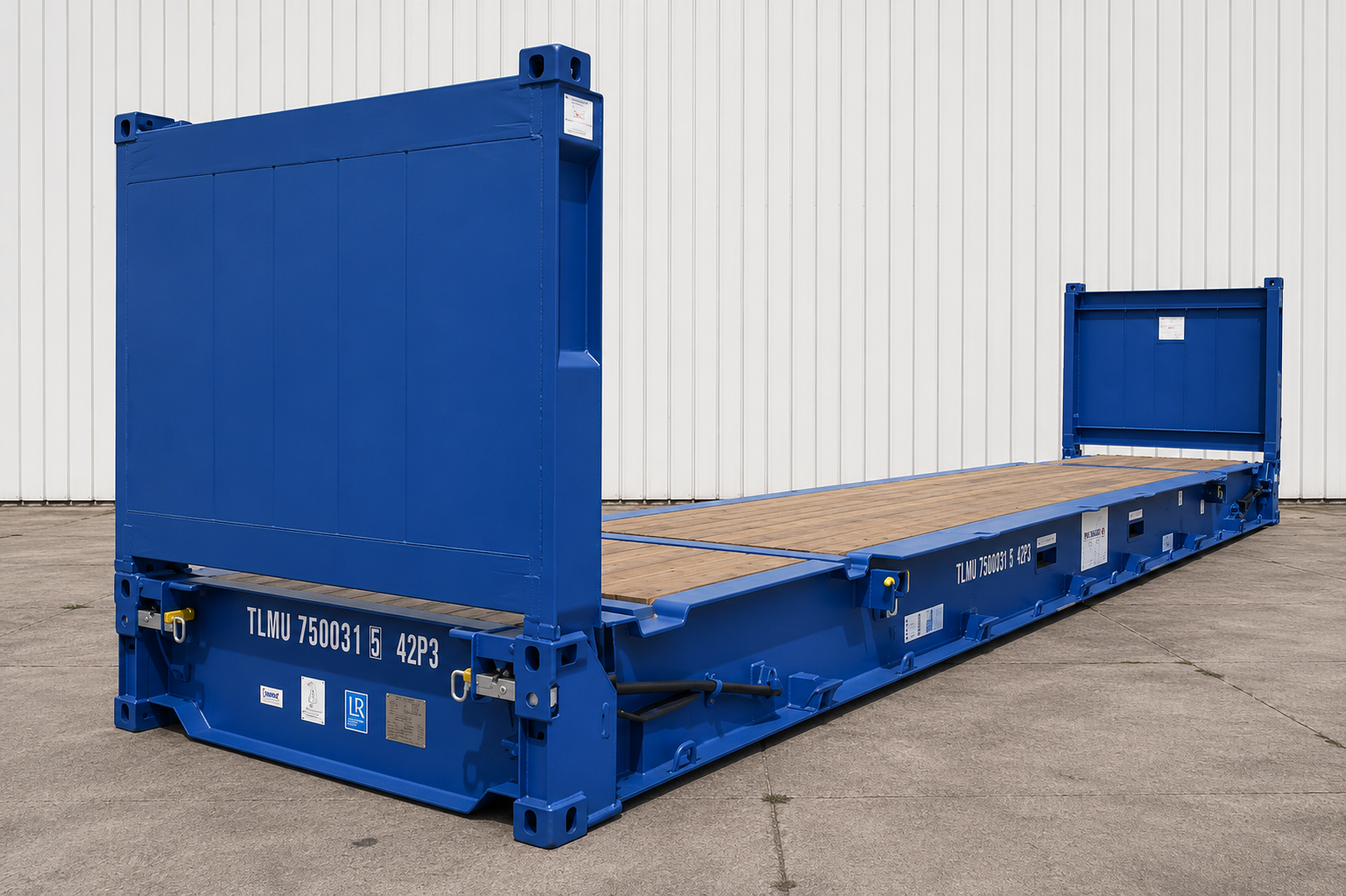
Flat Rack ContainerDesigned for oversized or heavy cargo.
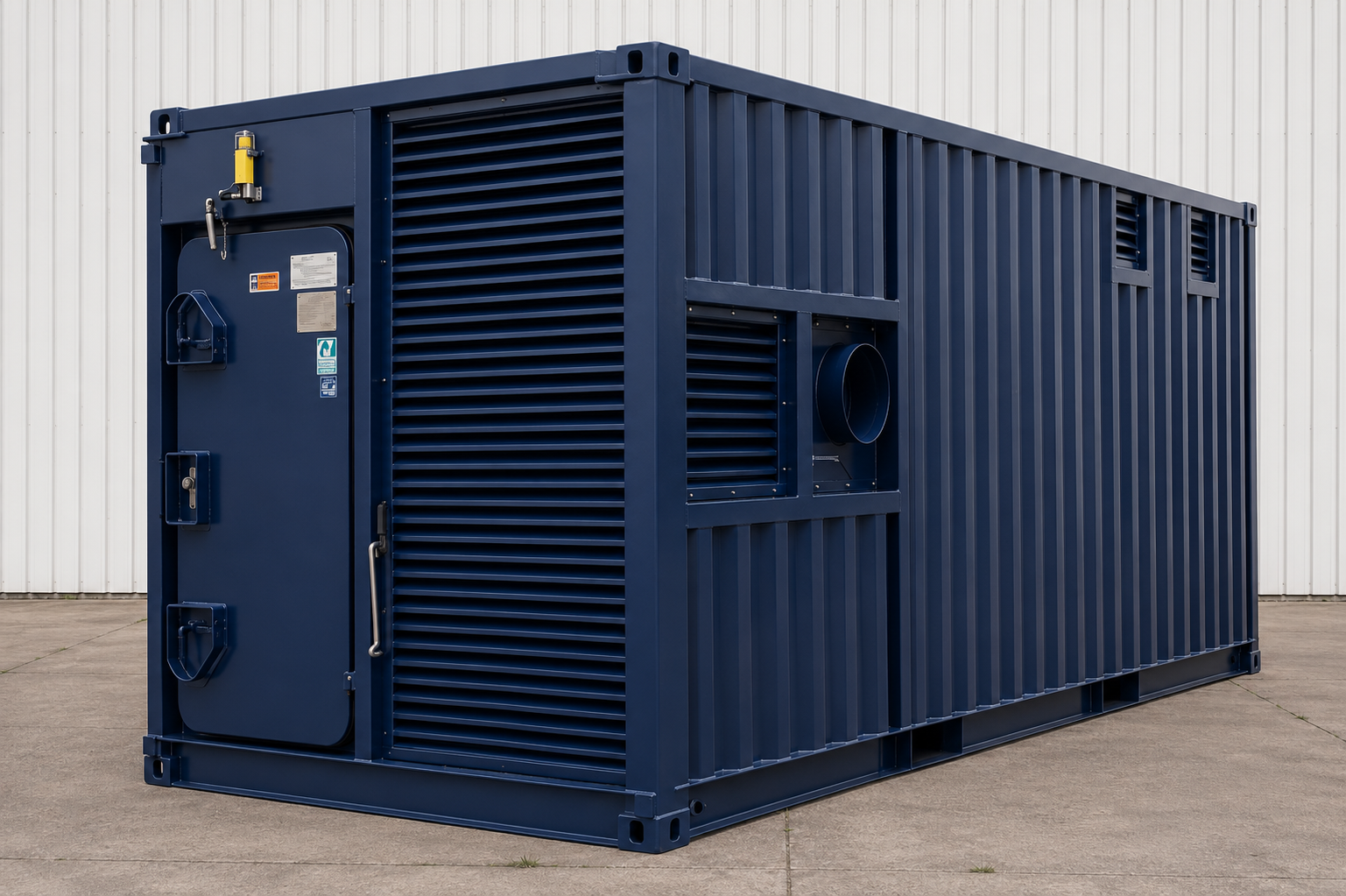
Ventilated ContainerUsed for cargo requiring continuous airflow.

Difference Between a Container Ship, Bulk Carrier, and General Cargo Ship

Although all three vessels transport goods by sea, they are designed for different types of cargo and operations. Container ships carry cargo packed inside standard shipping containers, bulk carriers transport loose bulk commodities, and cargo ships (general cargo ships) carry a variety of packaged or oversized goods. Understanding these differences helps cadets identify the right vessel for different cargoes.

FeatureContainer ShipBulk CarrierGeneral Cargo Ship
CarriesContainersLoose cargo (coal, grain, ore)Boxes, machinery and mixed cargo
Cargo TypePacked in containersloaded directly into cargo holdsLoaded as individual items
Loading MethodLarge container cranesConveyor or grabsCranes
Cargo AreaContainer baysLarge cargo holdsMulti-purpose cargo holds
Loading SpeedFastMediumSlow

Common Container Ship Myths vs. Facts

Myth: All merchant ships are container ships.

Fact: Container ships are only one type of merchant vessel. Tankers, bulk carriers, LNG carriers, and general cargo ships are also part of the merchant fleet.

Myth: TEU means the number of containers on a ship.

Fact: TEU is a unit of measurement that represents the capacity of a standard 20-foot container.

Myth: All container ships are ultra-large vessels.

Fact: Container ships range from small feeder ships serving regional ports to massive ultra-large container ships operating on major trade routes.

Frequently Asked Questions

1. What is a TEU?

A TEU (Twenty-foot Equivalent Unit) is the standard unit used to measure a container ship’s cargo capacity. One TEU equals one standard 20-foot ISO container, while a 40-foot container equals 2 TEU, allowing ships of different sizes to be compared easily.

2. How are containers secured onboard?

Containers are secured using twist locks, lashing rods, and turnbuckles to stop them from moving in rough weather. This keeps the cargo stable and helps maintain the ship’s safety throughout the voyage.

3. Why do some container ships have cranes?

Some container ships carry their own cranes because they visit ports without large shore-based cranes. These ships are called geared container ships, while ships that rely on port cranes are known as gearless container ships.

4. Can cadets join container ships?

Yes. Many shipping companies train deck and engine cadets on container ships. Cadets gain experience in navigation, cargo operations, mooring, safety procedures, and routine maintenance while working alongside experienced officers and crew.

References and Further Reading

Get Free Interview Sets

Get Free Mock Test