What is a Tanker
What Makes Tankers Different?
A common misconception is that every tanker carries crude oil. In reality, the tanker sector includes several specialised ship types, each designed for particular cargoes and trades.
Crude oil, chemicals and liquefied gases cannot all be handled in exactly the same way. Their cargo systems, containment arrangements and safety requirements can therefore be quite different.
Understanding these differences is also a good introduction to the variety of Merchant Navy careers available at sea.
Key Facts about Tankers
- Tankers carry cargo directly in dedicated cargo tanks or containment systems rather than containers.
- Conventional tankers generally have a long, relatively unobstructed weather deck with visible cargo pipelines.
- On many conventional tankers, the accommodation and bridge are generally located towards the aft of the vessel.
- The three main tanker categories discussed here are oil tankers, chemical tankers and liquefied gas tankers.
- Tanker design depends heavily on the physical and chemical properties of the cargo.
How Does a Tanker Operate?
In simple terms, a tanker takes cargo from a loading terminal, carries it to another port and transfers it to the receiving terminal. The exact process depends on the tanker type, cargo, vessel design and applicable company and terminal procedures.
For a beginner, the general cargo cycle can be understood in five broad stages.
1. Cargo Preparation
Before loading, the vessel and its cargo spaces and systems are prepared according to the requirements of the cargo and the vessel’s procedures. The preparation required can differ considerably between oil, chemical and liquefied gas tankers.
2. Cargo Loading
Cargo is transferred from the terminal into the ship’s designated cargo tanks or containment system. The ship and terminal teams coordinate the operation while cargo moves through the vessel’s cargo-handling system.
3. Cargo Carriage
After loading, the tanker carries the cargo during its voyage. The crew monitors relevant cargo and vessel conditions while maintaining the ship’s stability and safety.
4. Cargo Discharge
At the destination, the cargo is transferred from the ship to the receiving terminal through the tanker’s cargo-handling system. Pumps, pipelines, valves and other equipment are used according to the vessel’s design and operating procedures.
5. Post-Cargo Preparation
After discharge, the vessel may require cleaning, drying, inspection or other preparation before carrying another cargo. This is not automatically required after every voyage and depends on the previous cargo, next cargo, tanker type and applicable procedures.
So, while the basic idea can be thought of as preparation → loading → carriage → discharge → preparation when required, there is no single cargo-operation sequence that applies identically to every tanker.
Basic Features of a Tanker
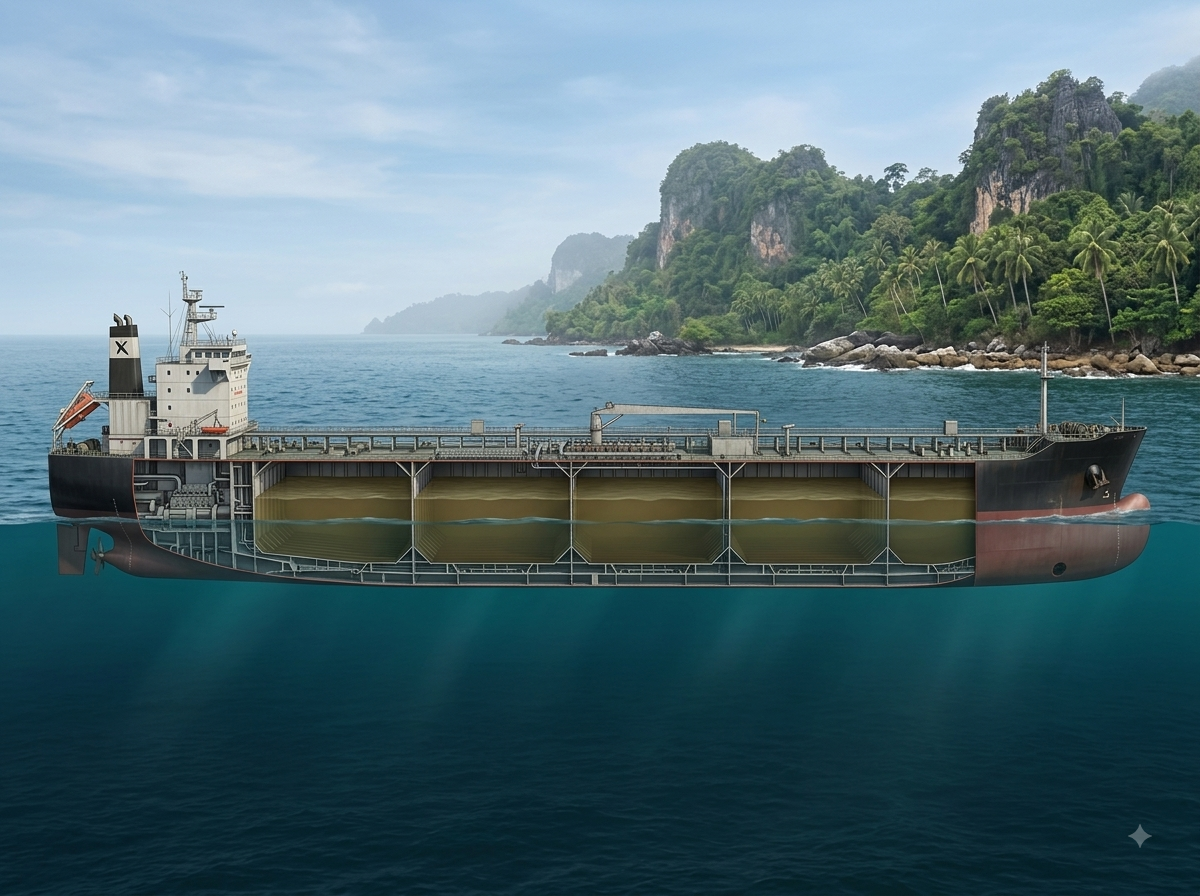
If you look at a conventional tanker, some features are easy to recognise. The ship is built around its cargo spaces, with pipelines, pumps, valves and other equipment used to transfer the cargo.
Cargo Tanks
Cargo tanks are the dedicated spaces where the vessel carries its liquid cargo. Their design and arrangement depend on the tanker type and the cargo being carried.
This is one of the biggest differences between a tanker and a container ship: the tanker carries liquid cargo directly inside dedicated tanks rather than individual containers.
Cargo Pumps and Pipelines
Tankers use dedicated pumps and pipelines to move cargo between the cargo tanks and the ship’s cargo-transfer connections. The pipelines you can often see running along a tanker’s deck form part of this system.
Cargo Manifolds
The cargo manifold is where the ship’s cargo piping connects to the terminal. During loading or discharge, cargo passes through this connection between the ship and shore.
Valves and Cargo Control Systems
Valves control where cargo can flow through the ship’s piping system, while control and monitoring systems help the crew manage cargo transfer and monitor relevant conditions. The exact arrangement varies between tanker types.
Double-Hull Construction
A double-hull arrangement provides protective space between the cargo tanks and the ship’s outer hull. This can reduce the likelihood of damage to cargo tanks in certain collision or grounding scenarios and provides additional protection against pollution.
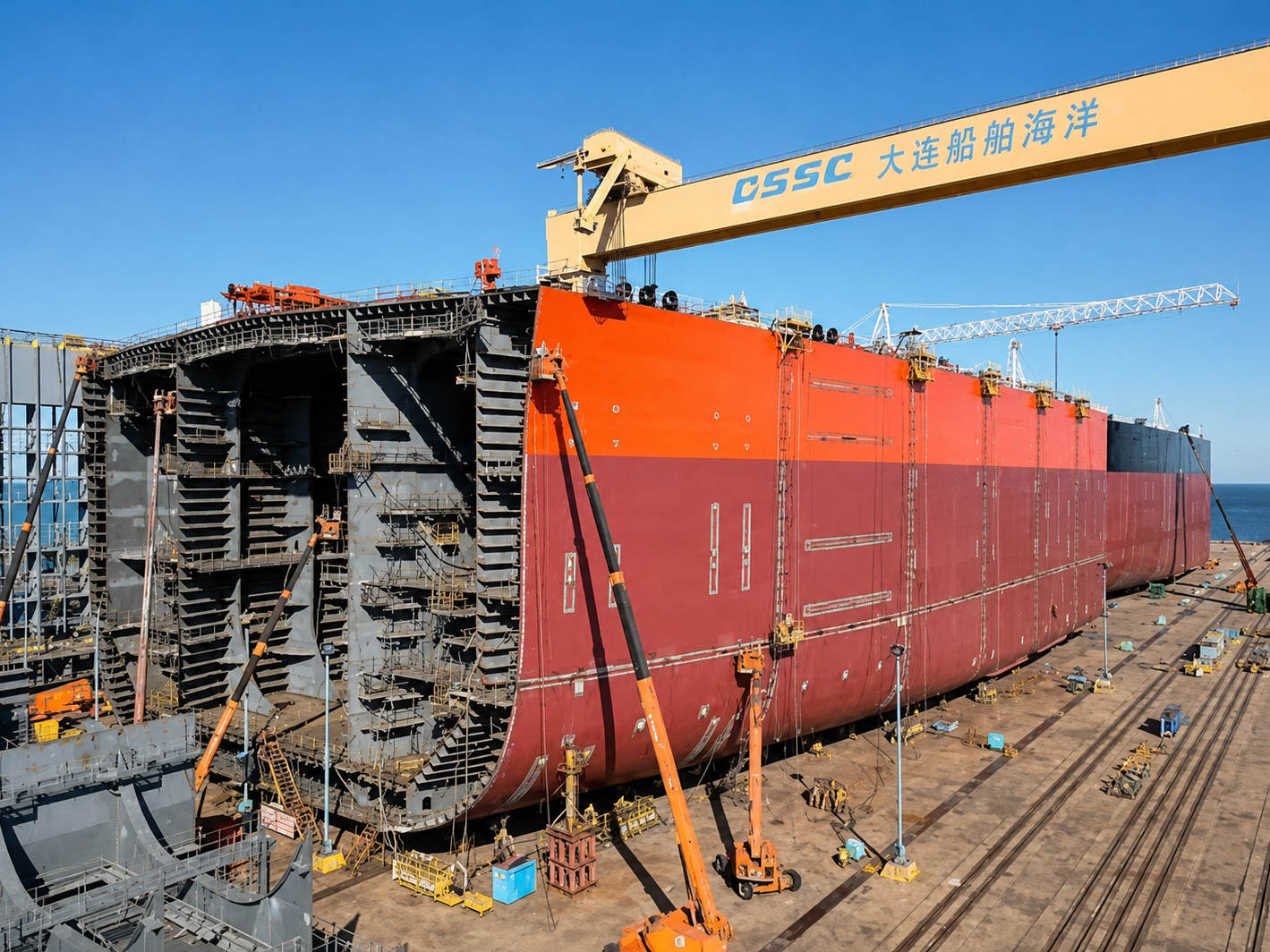
Following major oil spills, including the 1989 Exxon Valdez disaster, pressure for stronger tanker pollution-prevention measures increased. The United States introduced the Oil Pollution Act of 1990, while the IMO amended MARPOL in 1992 to require double hulls for new oil tankers and introduced requirements that led to the phase-out of existing single-hull oil tankers.
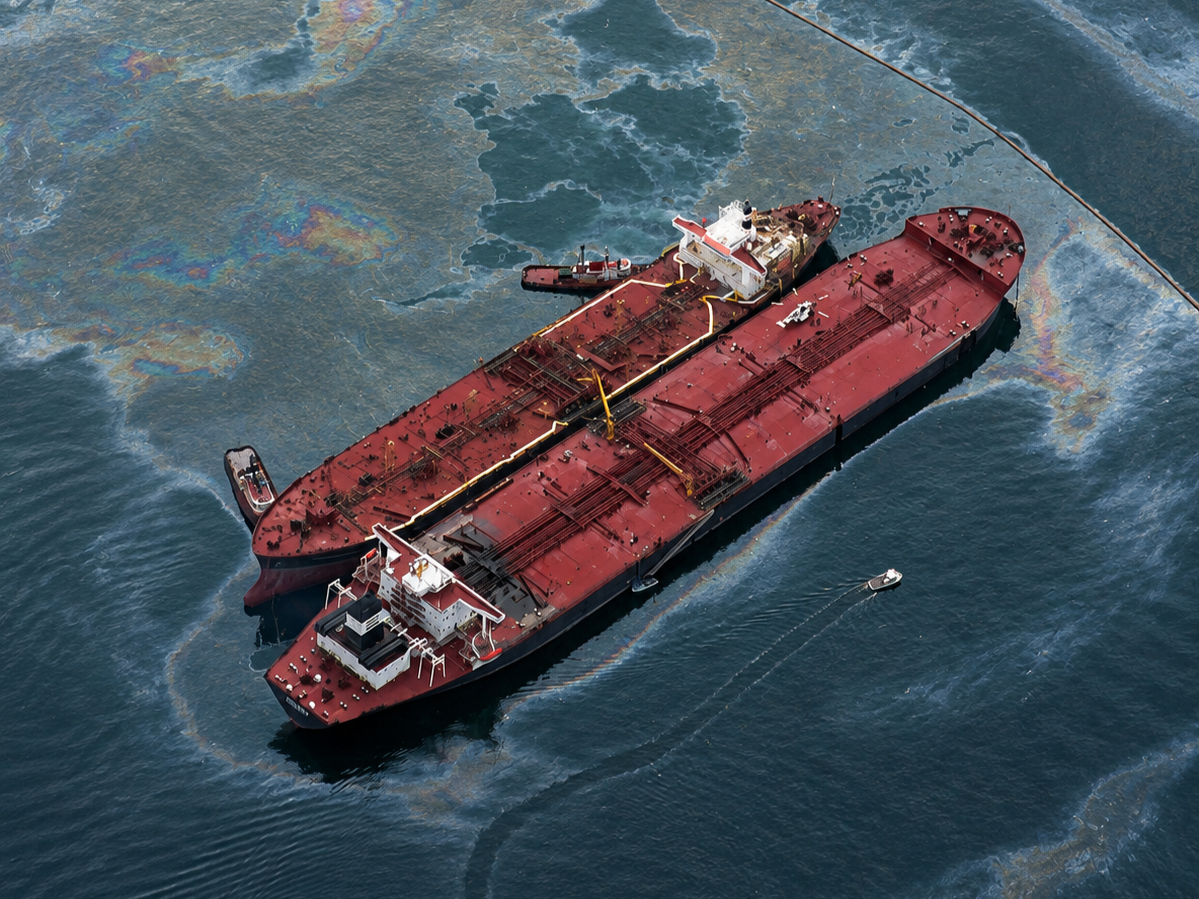
Flush Weather Deck
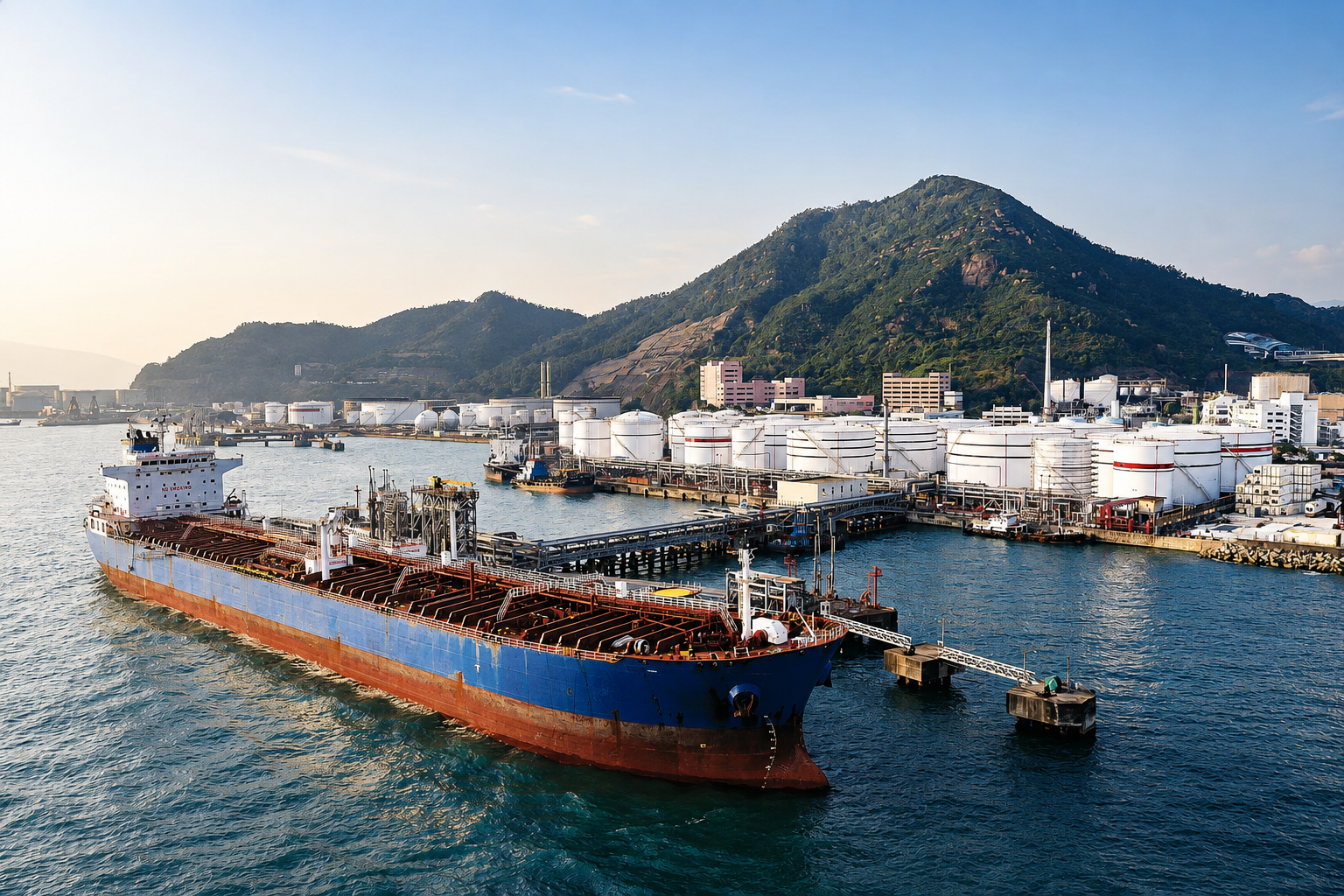
A conventional tanker can often be recognised by its long, relatively unobstructed weather deck, with cargo pipelines and other equipment visible along the deck.
The cargo itself, however, remains enclosed within the vessel’s cargo tanks or containment system.
Aft Accommodation and Bridge
On many conventional tankers, the accommodation block and bridge are generally located towards the aft, with the main cargo area extending forward. The exact arrangement can vary depending on the vessel’s design and type.
What Are the Main Types of Tankers?
Different cargoes have different physical and chemical properties. As a result, tanker designs are adapted to the cargo they are intended to carry.
Oil Tankers
Oil tankers transport crude oil and petroleum products such as diesel, petrol and fuel oil. They range from large crude carriers used on long-distance trades to smaller product tankers serving regional markets.
Chemical Tankers
Chemical tankers carry a wide variety of liquid cargoes, including industrial chemicals, vegetable oils and other specialised products. They may have multiple segregated cargo tanks and specialised arrangements to keep different cargoes separated and maintain cargo quality.
Liquefied Gas Tankers
Liquefied gas tankers transport gases that have been converted into liquid form for transportation. Two common cargoes are Liquefied Natural Gas (LNG) and Liquefied Petroleum Gas (LPG). They are different products and require specialised containment and cargo-handling arrangements.
How Do Different Types of Tankers Compare
| Tanker Type | Main Cargo | Special Feature | Image |
|---|---|---|---|
| Oil Tanker | Crude oil, petroleum products | Large cargo tanks and cargo-transfer systems | 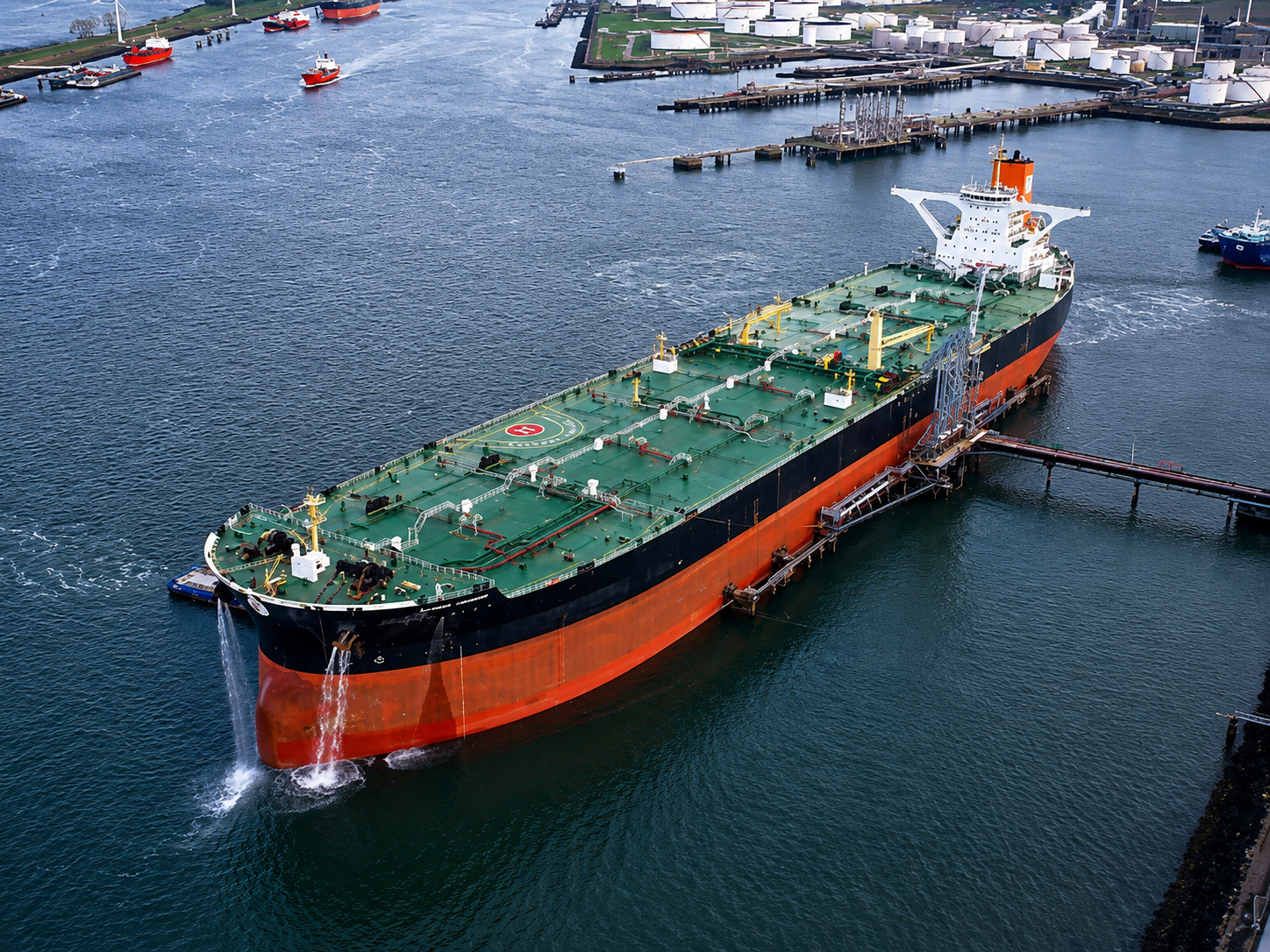 |
| Chemical Tanker | Chemicals, vegetable oils and specialised liquids | Cargo segregation and compatibility requirements | 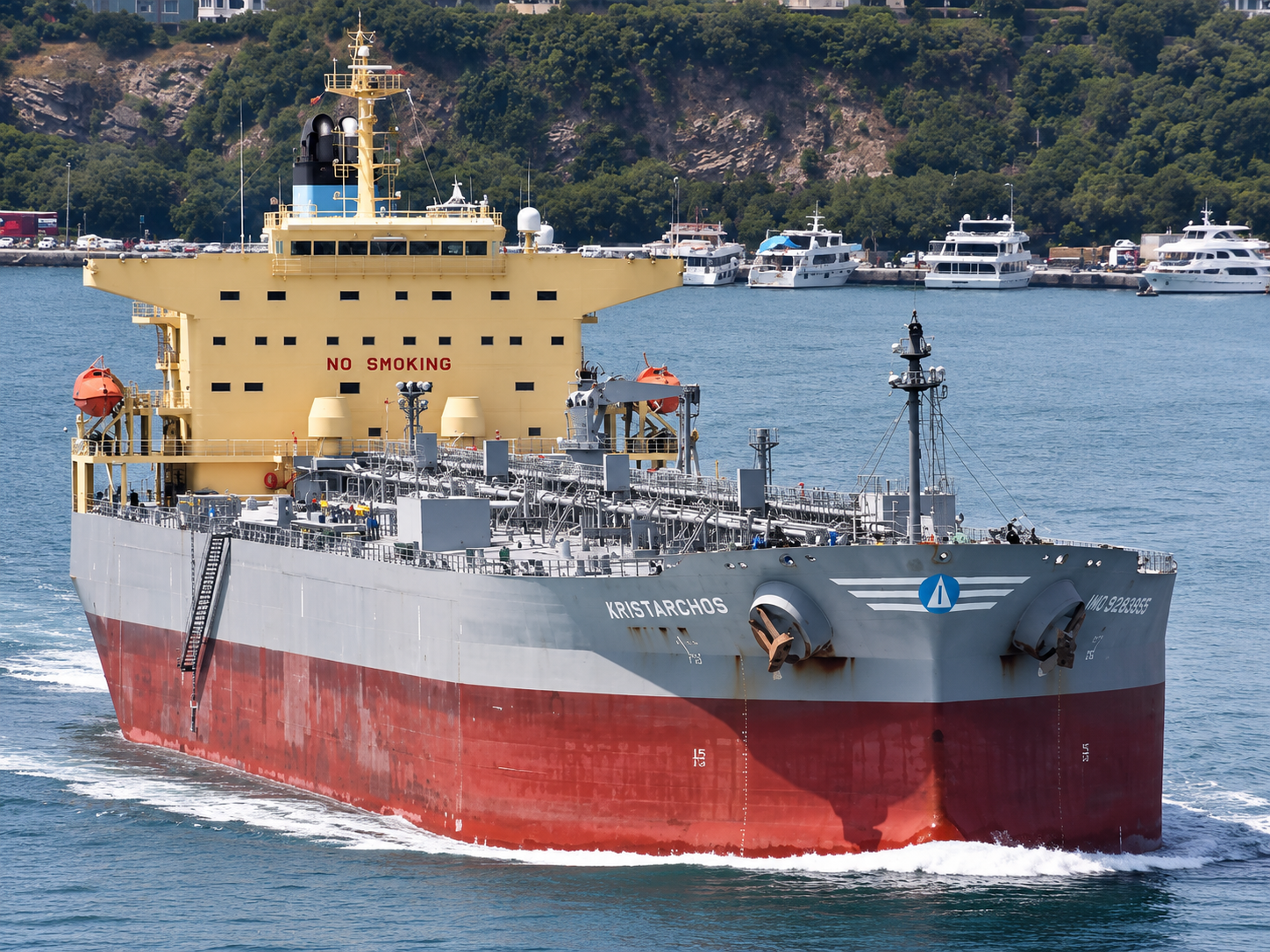 |
| Liquefied Gas Tanker | LNG, LPG | Specialised cargo containment and temperature or pressure control | 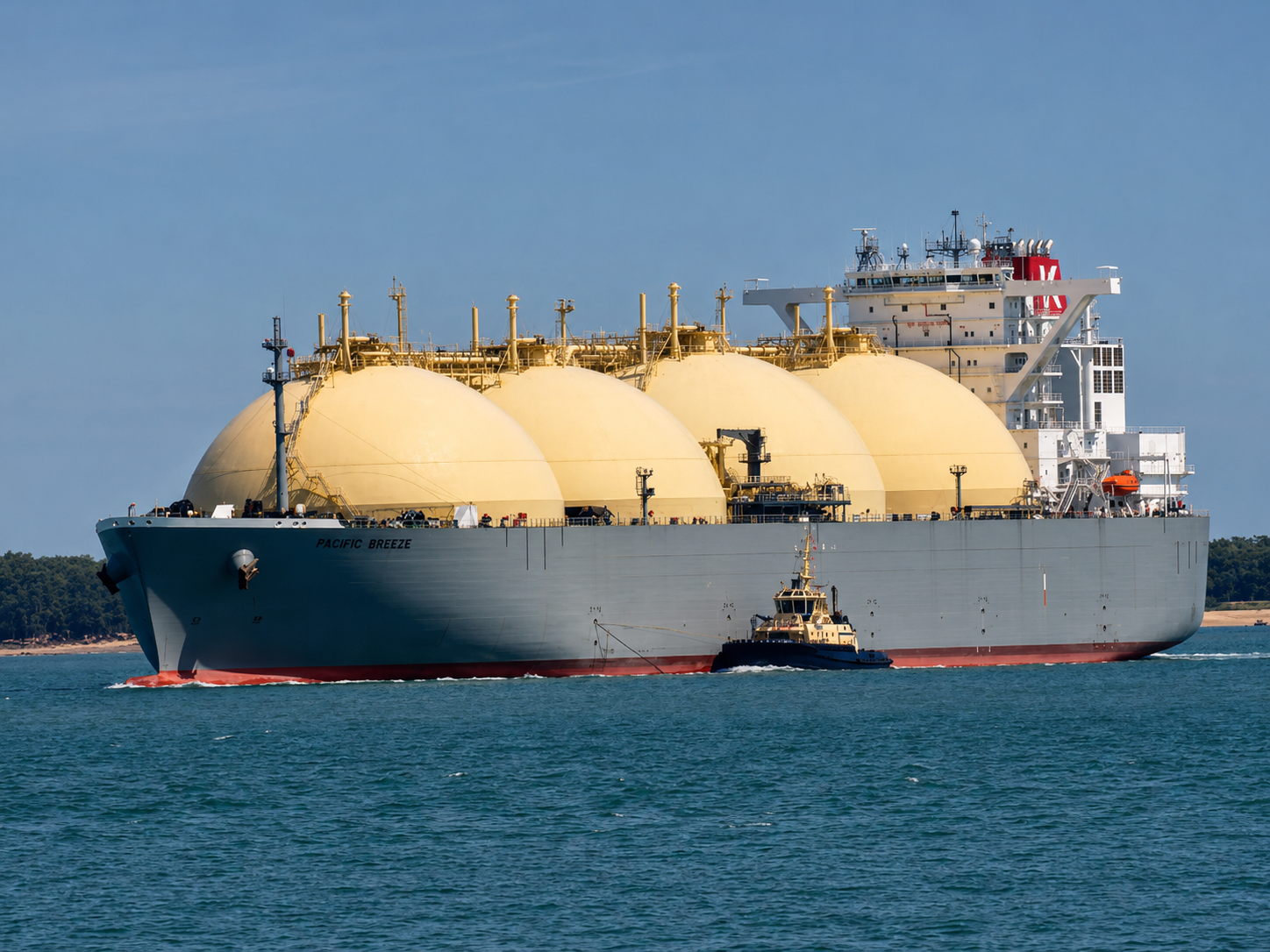 |
Tankers commonly operate in the charter market, where vessels are hired to transport specific cargoes between required ports. Their voyages can therefore change according to cargo requirements and commercial contracts rather than following the fixed schedules typical of liner services.
Tanker Careers
Tanker ships are an important part of the Merchant Navy, and many officers and ratings build their careers on oil, chemical or gas tankers.
Personnel assigned duties related to tanker cargo operations may require tanker-specific training under the STCW framework. The exact requirements depend on the tanker type and the person’s duties and responsibilities.
For a cadet, tanker experience can provide exposure to specialised ships, cargo systems and operating practices that can become valuable as a maritime career develops.
Common Misconceptions About Tankers
- Every tanker carries crude oil. Tankers can carry petroleum products, chemicals,
- LNG, LPG and other specialised cargoes.
- LNG and LPG are the same cargo. They are different products with different properties and transportation requirements.
- Tankers carry liquids in containers. Tankers are designed to carry liquid cargo directly in dedicated cargo tanks or containment systems.
- Visible deck pipelines mean the cargo is exposed. The pipelines are part of the cargo-transfer system; the cargo remains enclosed inside the tanks.
- Every tanker follows the same cargo operation. Procedures vary according to tanker type, cargo, vessel design and applicable procedures.
Frequently Asked Questions
1. Why don't tankers transport liquids in containers?
Tankers are designed to carry large quantities of liquid cargo efficiently in dedicated cargo tanks. Using individual containers for such volumes would generally be less practical for the quantities and cargo-transfer requirements involved.
2. How are different cargoes kept separate?
A tanker can have several separate cargo tanks, allowing different grades or cargoes to be carried separately where the vessel is designed for this purpose. Cargo piping, pumps and valves are arranged to maintain segregation according to the vessel’s design and operating procedures.
3. Why are pipes visible on the deck?
The pipes running along a tanker’s deck are mainly part of its cargo-transfer system. They connect the cargo tanks to pumps, valves and cargo manifolds used to transfer cargo to or from shore.
4. Do tankers operate like container ships?
Not usually. Container ships commonly operate liner services with regular routes and schedules. Tankers commonly operate on charter arrangements, with voyages determined by cargo requirements, commercial contracts and the vessel’s employment.
5. Can cadets join tanker ships?
Yes. Cadets can join oil, chemical and gas tankers as part of their sea training. They learn normal shipboard duties alongside tanker-specific safety and cargo familiarisation appropriate to their role and the type of tanker.
References and Further Reading
- StatCode5 https://cdn.ihs.com/www/pdf/Statcode-Shiptype-Coding-System.pdf
- Directorate General of Shipping (DG Shipping), Government of India https://dgma.gov.in/
- International Maritime Organisation (IMO) https://www.imo.org/en
- International Convention on Standards of Training, Certification and Watchkeeping for Seafarers (STCW)

Abhiraj Singh is a seafarer, maritime technical writer, and lifelong learner with a passion for exploring the world of shipping beyond the bridge and engine room. His writing covers merchant ships, navigation, seamanship, cargo operations, maritime regulations, shipboard safety, and the technologies that keep global trade moving. Through IMUmate, he contributes educational content designed to prepare the next generation of seafarers for both examinations and life at sea.