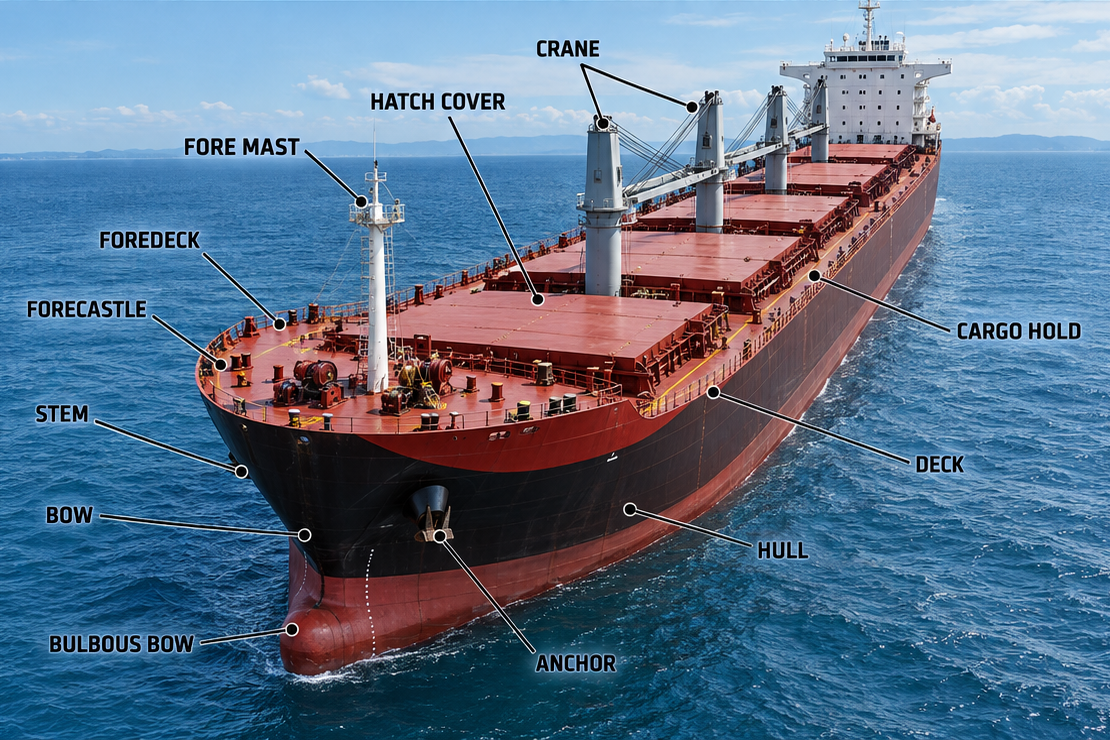
What is a Bulk Carrier?
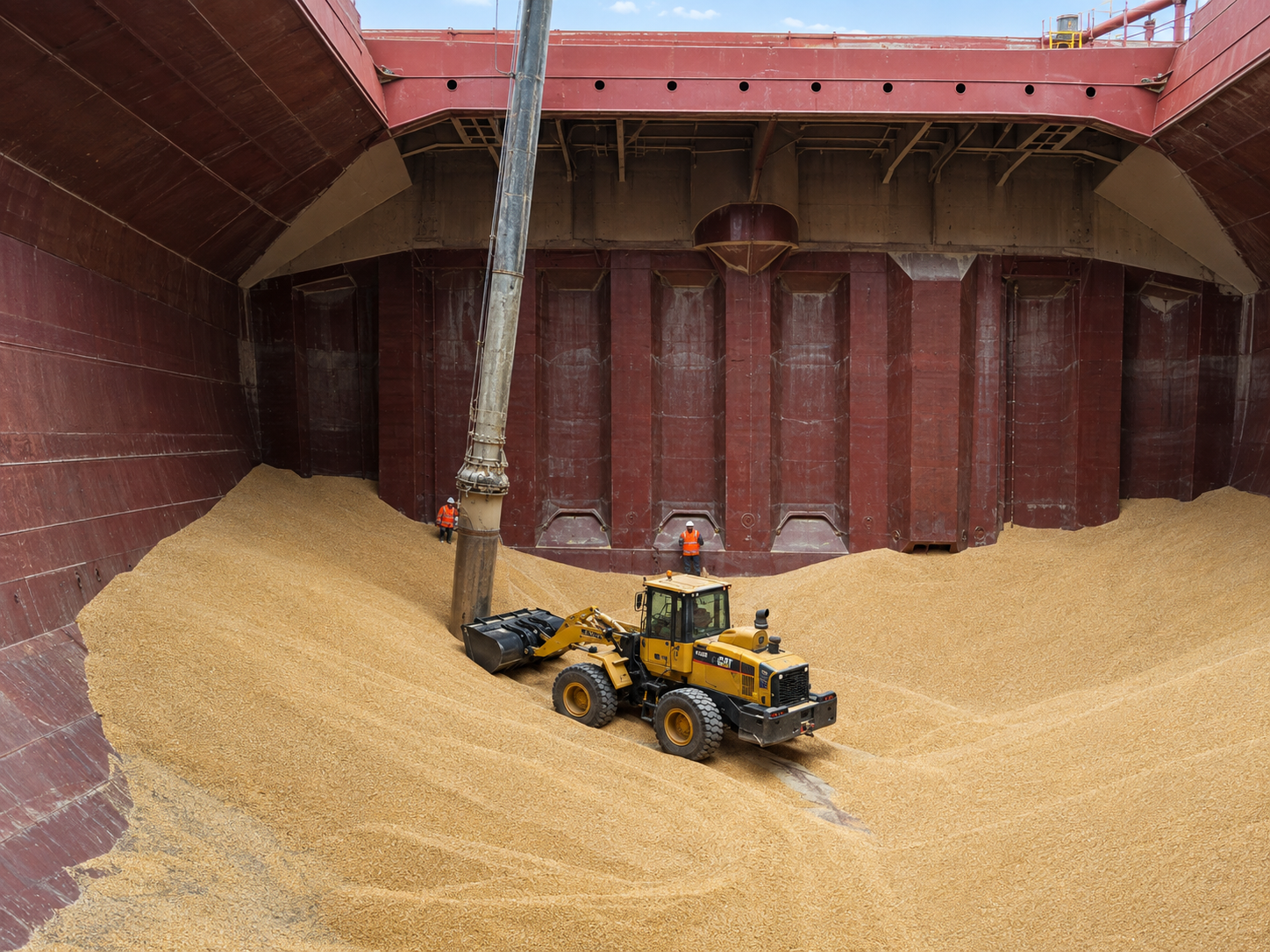
A bulk carrier is a merchant ship that carries large amounts of dry, unpackaged cargo. The cargo is loaded loose into the ship’s cargo holds. Common cargoes include coal, iron ore, grain, bauxite, and cement.
If you plan to join the Merchant Navy, you are likely to come across bulk carriers. They vary in size, design, and the cargo they carry. Their main job is simple: to move dry cargo safely from one port to another.
Why Are Bulk Carriers Important?
Bulk carriers are a major part of global trade. They move raw materials used for power, construction, manufacturing, farming, and food production.
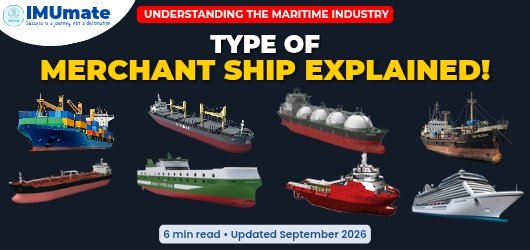
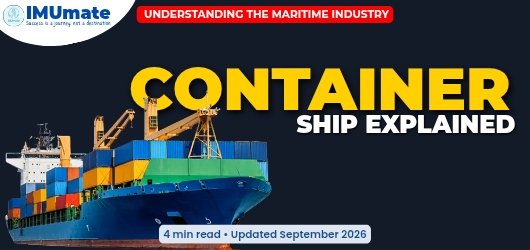
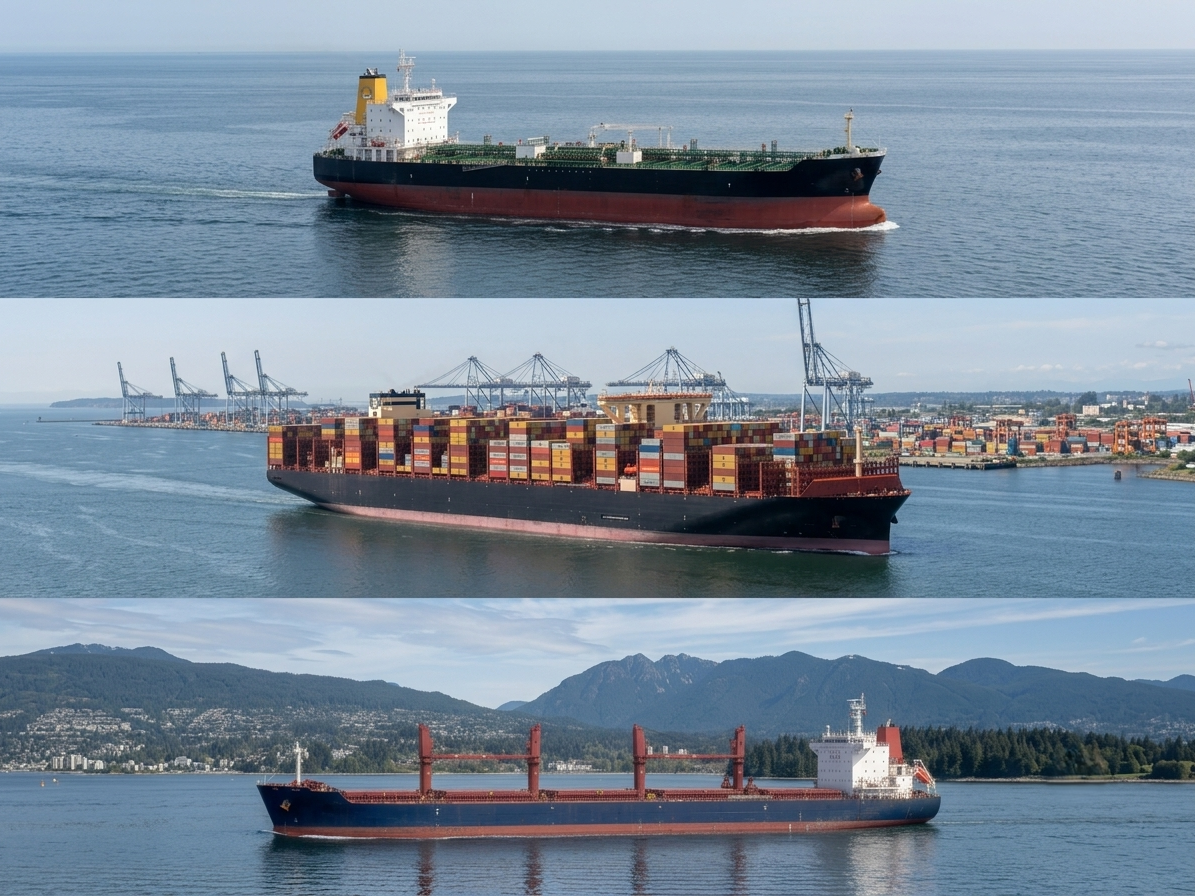
A bulk carrier carries dry cargo loose in its holds. A container ship carries cargo in containers. A tanker carries liquids or liquefied gases. Knowing this difference is a useful starting point for learning about different types of merchant ships.

Key Facts About Bulk Carriers
- Bulk carriers carry dry bulk cargo loose in their cargo holds.
- Common cargoes include coal, iron ore, grain, bauxite, cement, and fertilisers.
- Sizes range from small Handysize vessels to large Capesize ships and specialised ore carriers.
- Safe operation depends on cargo distribution, stability, ballast, and structural strength.
Understanding Bulk Carriers: Cargo, Design and Purpose
What Is Dry Bulk?
Dry bulk means large amounts of dry cargo that are not packaged for transport. The cargo is loaded loose into the ship’s cargo holds instead of being packed into containers.
Coal is a simple example. A bulk carrier can load thousands of tonnes of coal into its holds. The same applies to iron ore, grain, bauxite, and fertiliser.
What Does a Bulk Carrier Carry?
Bulk carriers can carry many types of dry cargo. Common cargoes include coal, iron ore, grain, bauxite, cement, fertilisers, and salt.

Different cargoes can behave in different ways. Some can create dust, heat, or dangerous gases. Some solid bulk cargoes can also liquefy when they contain too much moisture. This can create a serious safety risk.
The crew must know what cargo the ship is carrying before loading starts. They also need to understand its properties and possible hazards.
What Does a Bulk Carrier Look Like?
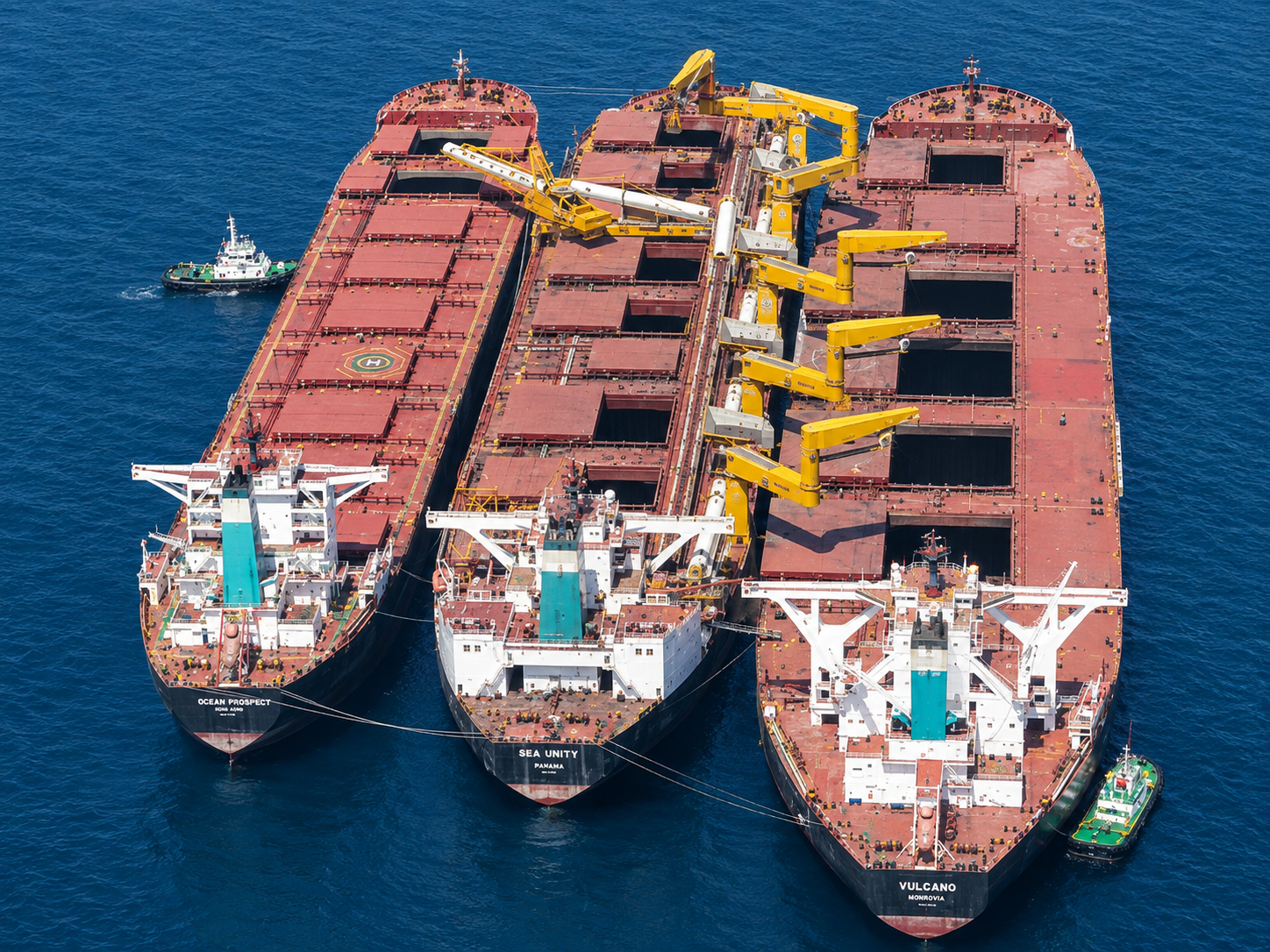
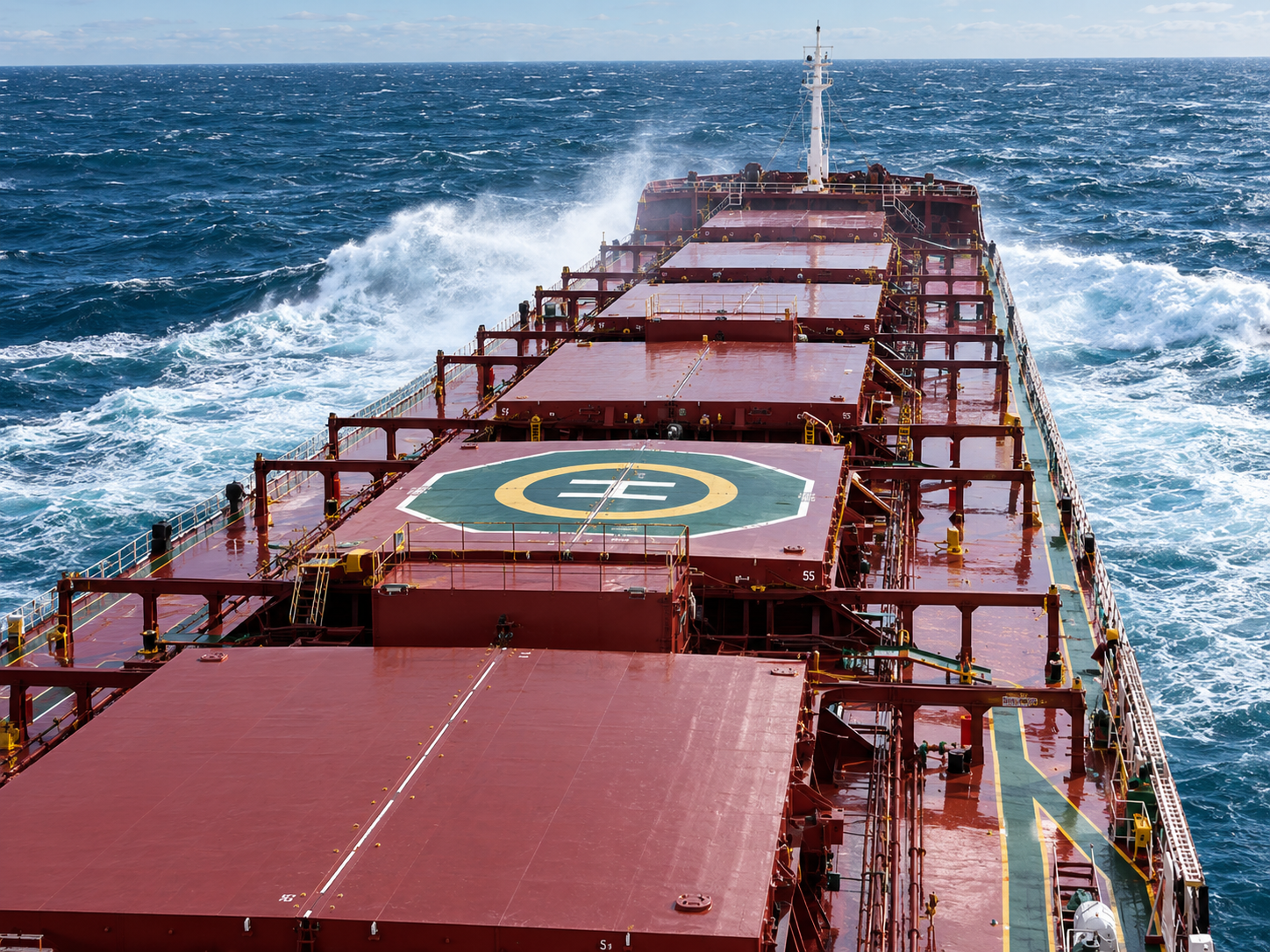
A typical bulk carrier is easy to recognise. It has several large cargo holds along the main deck. Each hold has a wide hatch opening above it. These openings allow cargo to enter and leave the holds. Hatch covers close the openings during the voyage. They also help keep seawater out.

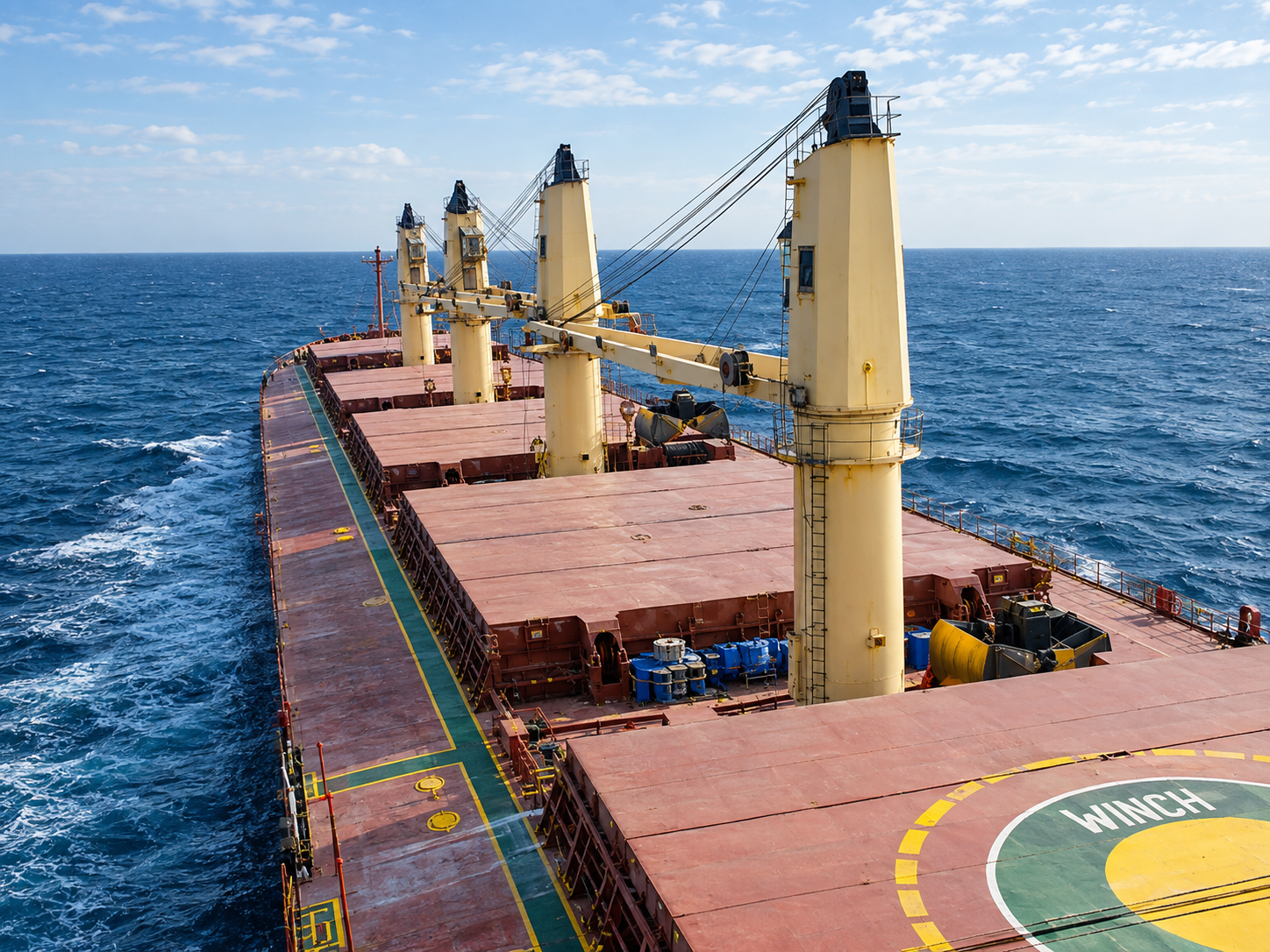
Bulk carriers can have different designs. Some are geared bulk carriers. They have their own cranes for cargo operations. Others are gearless bulk carriers. They rely on cranes and other equipment at the terminal. Self-unloading bulk carriers have their own systems to discharge cargo. These systems can move cargo from the holds to the shore.
What Are the Different Types of Bulk Carriers?
Bulk carriers can be classified in several ways, including by their size, cargo-handling equipment, and specialised design. These classifications can overlap, meaning the same vessel can belong to more than one category.
Bulk Carrier Types by Size
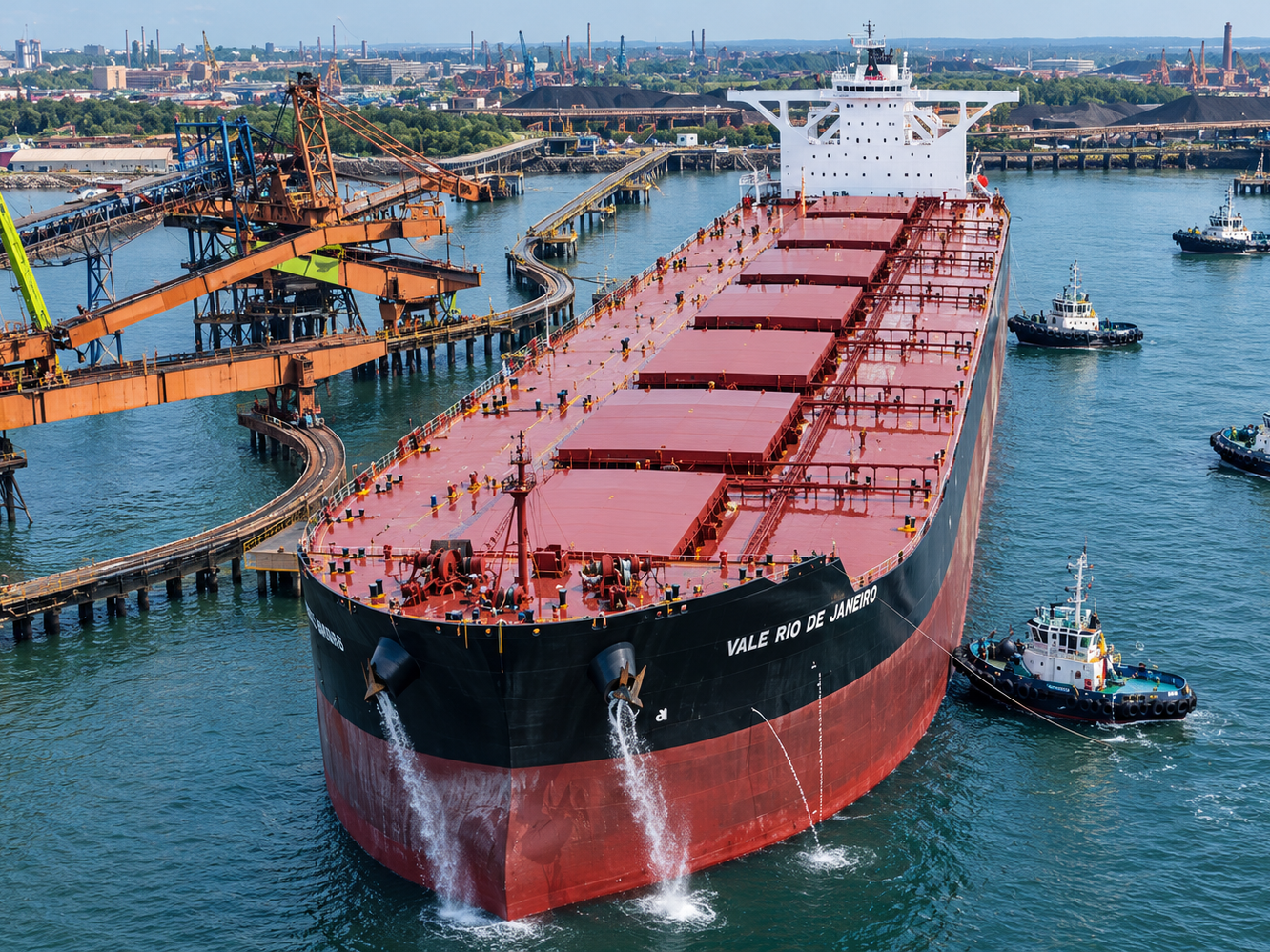
Bulk carrier size is usually described by deadweight tonnage (DWT). Size groups are commercial terms, not strict international classes, so their exact limits can vary.
| Size class | Approx. DWT | Typical use | Image |
|---|---|---|---|
| Handysize | 10,000–40,000 | Smaller ports and varied cargoes | ![]() |
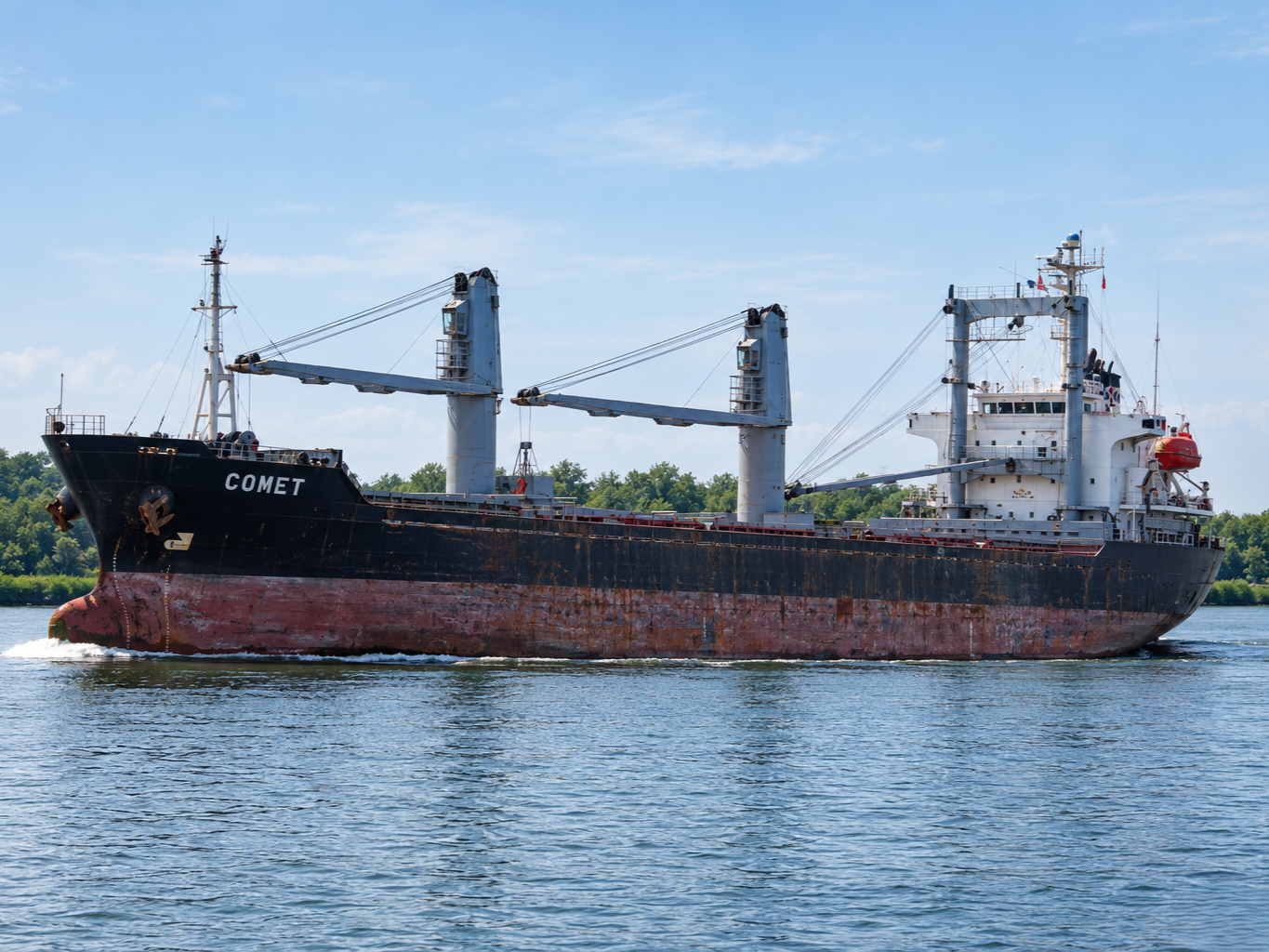
| Handymax / Supramax / Ultramax | 40,000–65,000 | Flexible dry-bulk trades | ![]() |
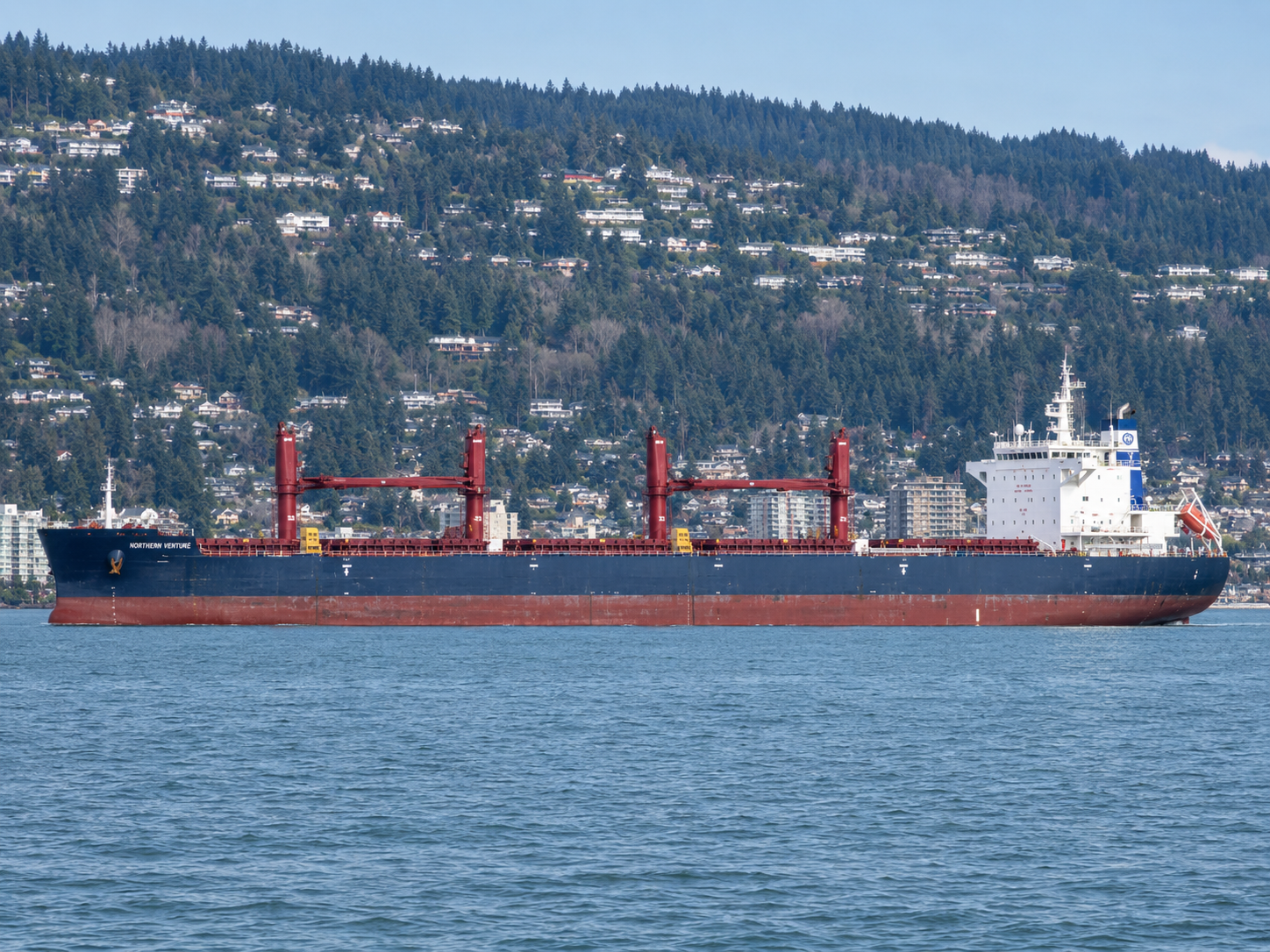
| Panamax / Kamsarmax | 65,000–85,000 | Major coal, grain and bulk trades | ![]() |
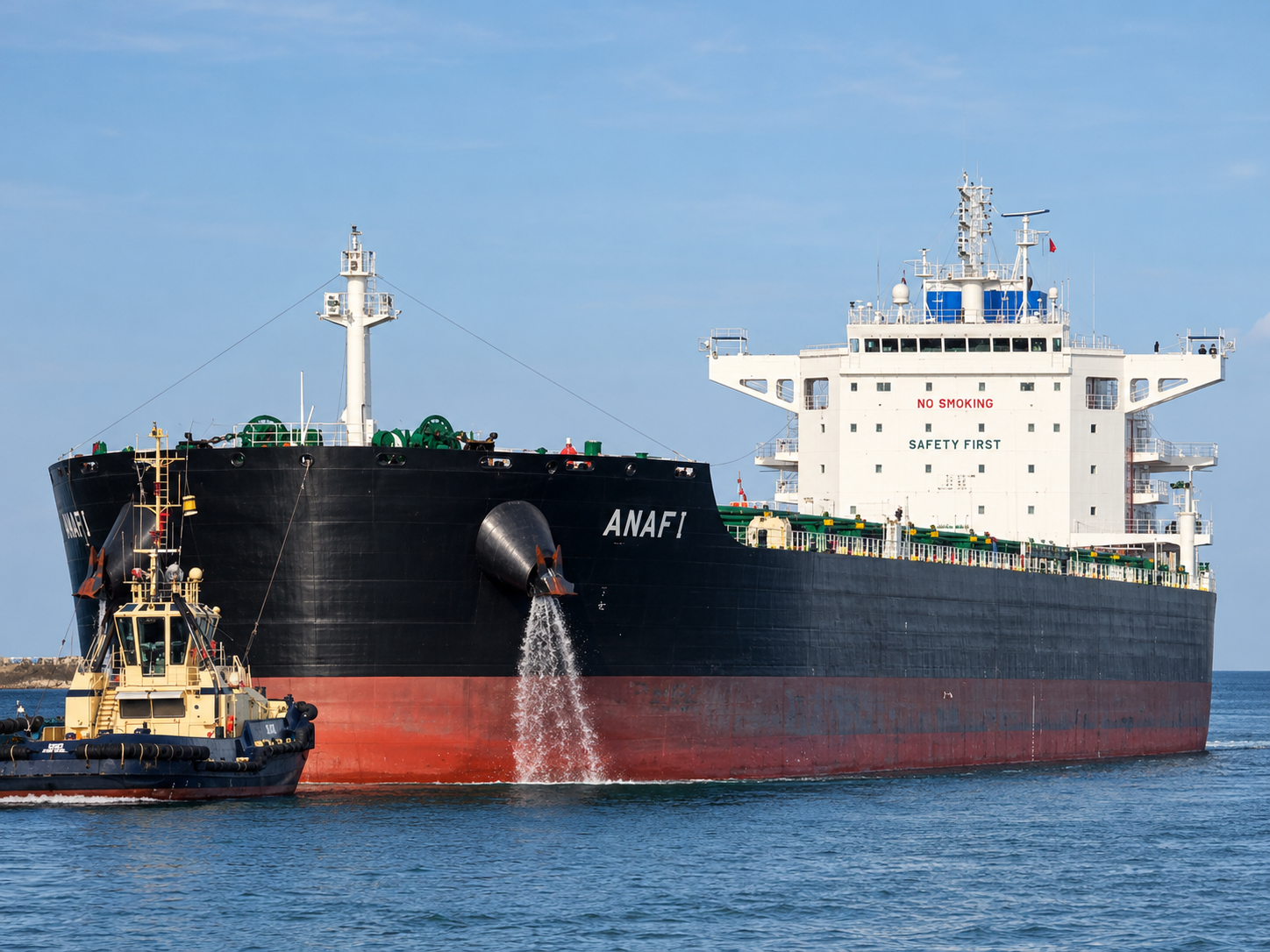
| Capesize | 100,000–200,000+ | Large-scale ore and coal trades | ![]() |
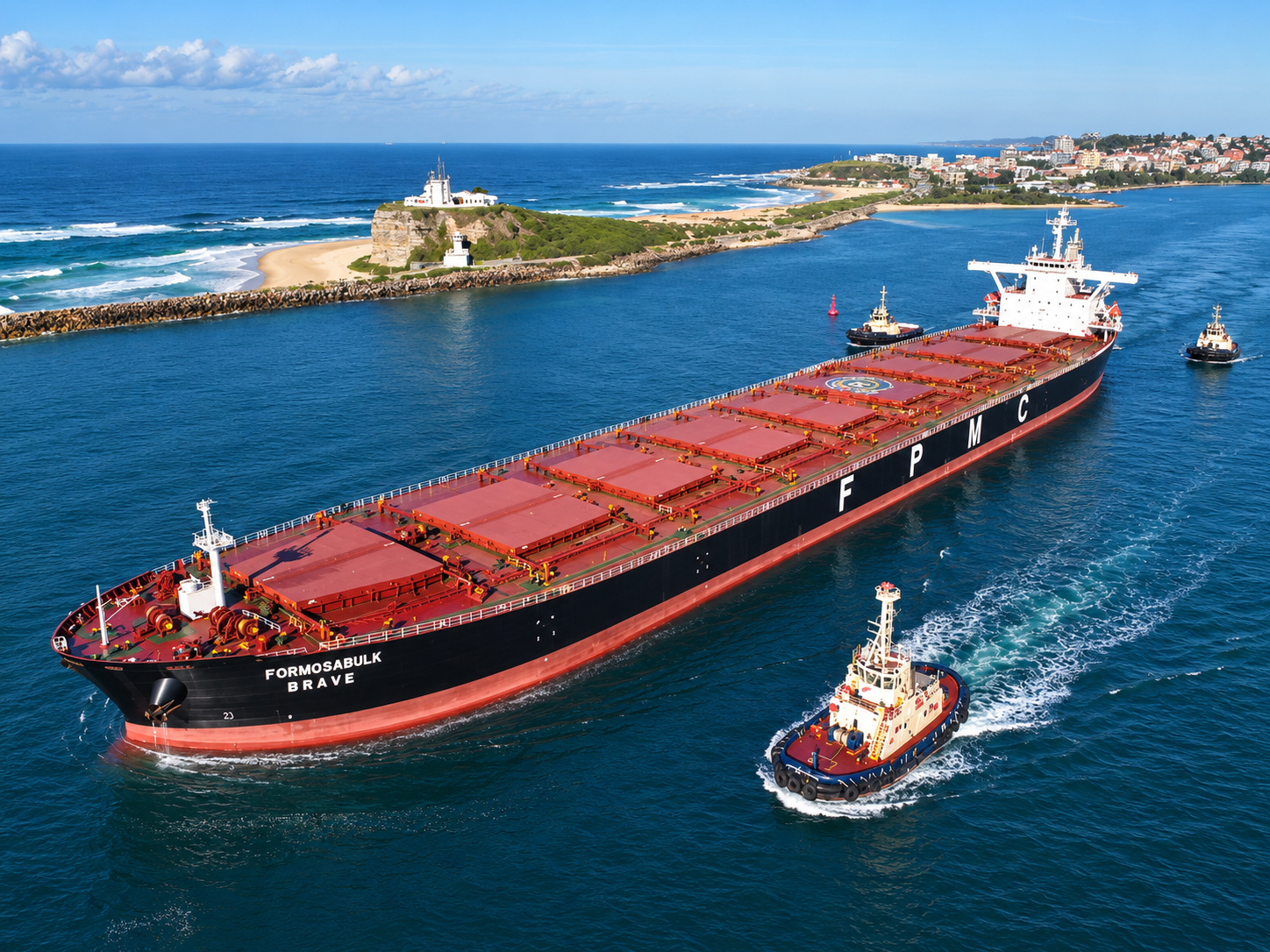
| VLOC | 200,000+ | Mainly very large iron-ore shipments | ![]() |
Bulk Carrier Types by Cargo Handling
Bulk carriers can also be classified by how they handle cargo. The main distinction is whether the vessel has its own cargo-handling equipment.
| Type | Description | Image |
|---|---|---|
| Geared | Geared bulk carriers have their own onboard cranes and grabs for loading and discharging cargo. This gives them greater flexibility when operating at ports with limited shore-based cargo-handling equipment. | ![]() |
| Gearless | Gearless bulk carriers do not have their own cargo cranes. They rely on shore-based equipment for loading and discharging cargo and are generally suited to ports with established cargo-handling infrastructure. | ![]() |
| Self-unloading | Self-unloading bulk carriers have specialised onboard equipment, such as conveyors and discharge systems, that allows them to unload cargo with less reliance on shore-based equipment. They are particularly useful in trades where efficient or rapid cargo discharge is important. | ![]() |

Specialised Bulk Carriers
Some bulk carriers are designed specifically for particular cargoes or trades.
Ore Carriers and VLOCs
Ore carriers are specialised bulk carriers designed primarily to transport dense cargoes such as iron ore. Very Large Ore Carriers (VLOCs) are much larger vessels, generally above 200,000 DWT, and are commonly used for high-volume iron-ore transportation.
A ship can fit into multiple types of classification. For example, a vessel can be a Supramax geared bulk carrier. “Supramax” tells you its approximate size. “Geared” tells you that it has its own cargo cranes.
How Are Bulk Carriers Loaded and Unloaded?
Bulk cargo is usually loaded with shore cranes, hoppers, or conveyor systems. Geared bulk carriers can also use their own cranes and grabs. The crew cannot fill the holds in any order. Loading must follow a planned sequence. Cargo weight affects the ship’s stability and structural strength. The loading plan checks cargo distribution, draft, trim, shear forces, and bending moments.
Ballast water is also used during cargo operations. It helps control the ship’s draft, trim, stability, and loading condition.
At the discharge port, cargo can be removed in several ways. The terminal may use shore cranes or conveyors. The ship may use its own cranes or self-unloading system. The method depends on the ship and the terminal.
Why Are Cargo Distribution and Stability Important?
A bulk carrier must stay stable in the water. It must also keep stress on its structure within safe limits. Cargo density and distribution both matter. Too much weight in one hold can put high stress on the ship’s structure. Uneven cargo distribution can also affect the ship’s stability and trim. This is why cargo must be loaded in a planned and controlled way.
What Safety Risks Exist on Bulk Carriers?
Bulk carriers have several hazards that seafarers must understand.
Enclosed Space Hazards
Cargo holds are one of the main risks. A hold is an enclosed space. Its atmosphere may have too little oxygen or contain dangerous gases. Never enter a cargo hold without following the proper enclosed-space entry procedure. The crew must test the atmosphere, ventilate the space, and have a rescue plan in place.
Cargo Liquefaction
Some solid bulk cargoes can liquefy when they contain too much moisture. During the voyage, the movement of the ship can cause wet cargo to behave like a liquid, creating a free-surface effect and potentially causing the cargo to shift suddenly. This can lead to a dangerous loss of stability and, in severe cases, the loss of the vessel.
Other Bulk Carrier Hazards
Other risks include shifting cargo, dust, and falls into cargo holds. Hatch-cover accidents, mooring operations, heavy machinery, fires, explosions, structural damage, and water ingress are also hazards.
International Codes for Bulk Carrier Safety
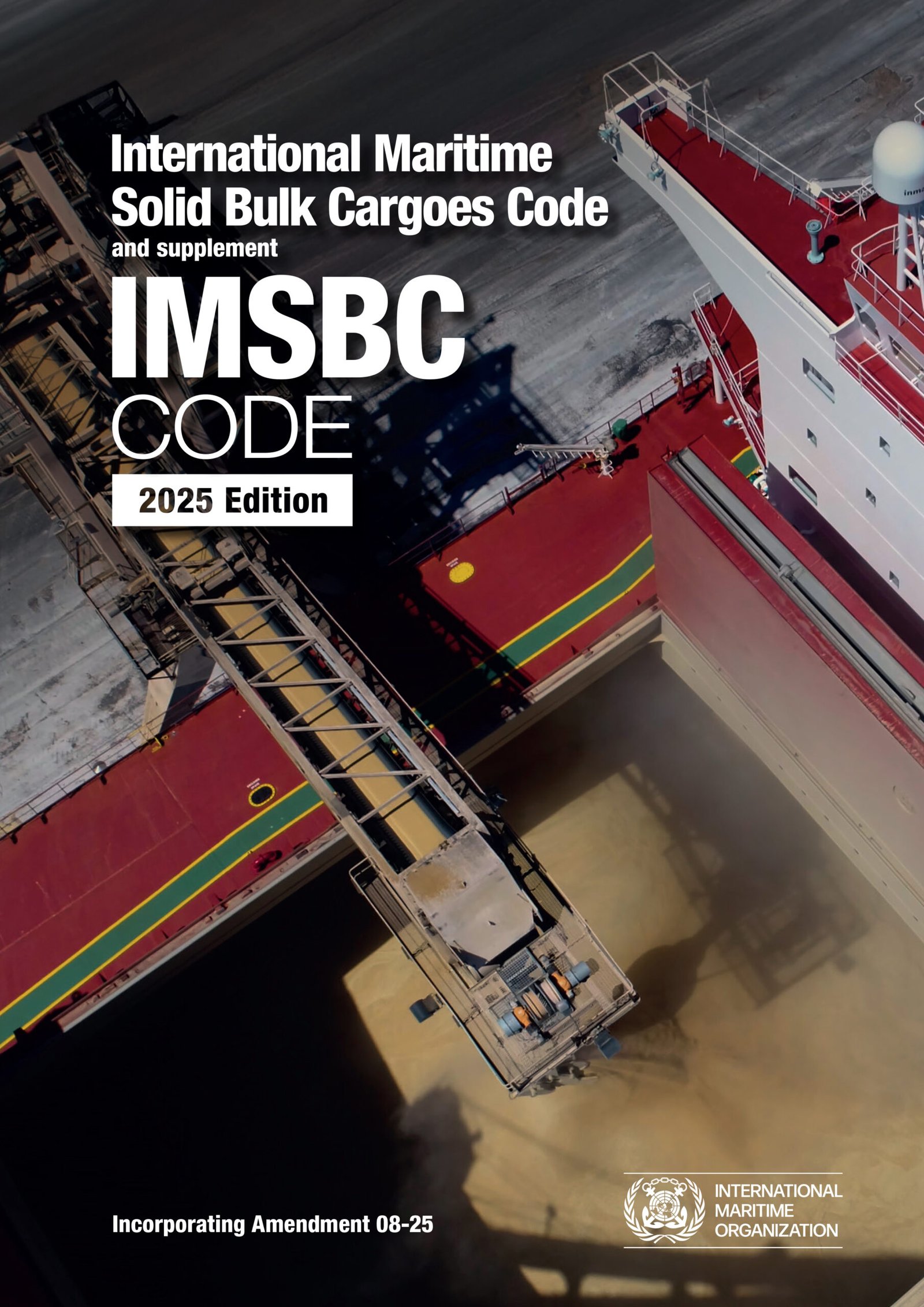
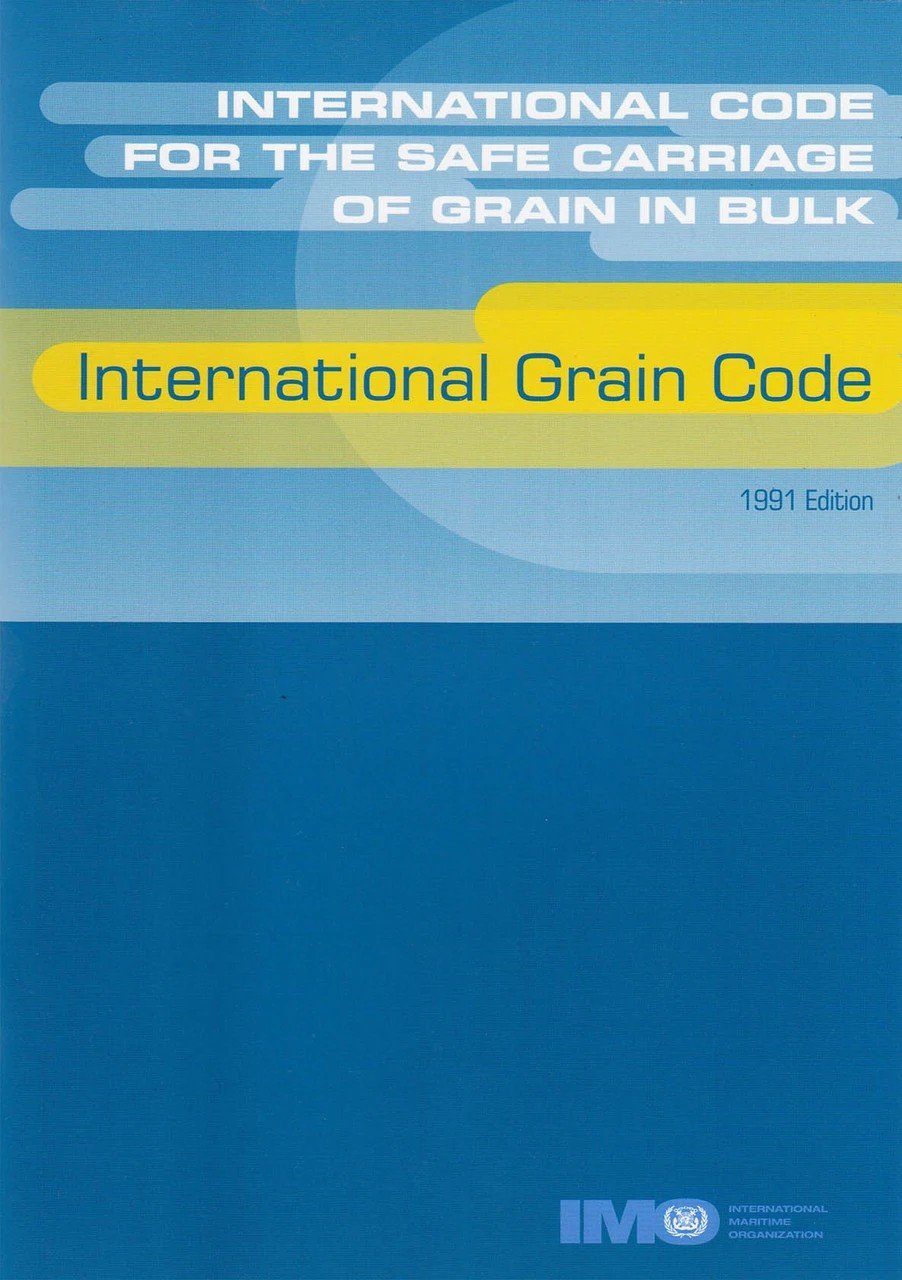
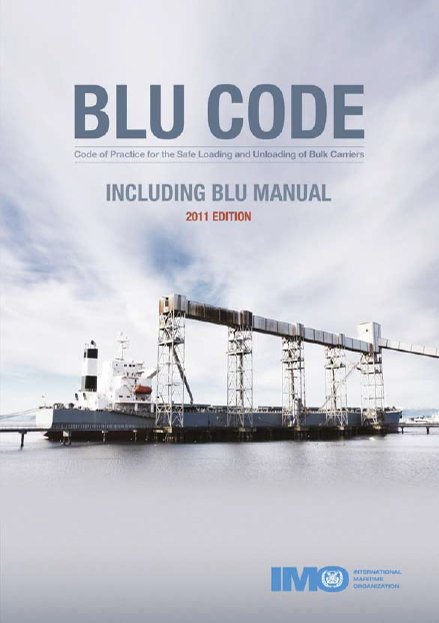
The International Maritime Solid Bulk Cargoes (IMSBC) Code sets rules for the safe carriage of solid bulk cargoes. Grain has separate rules under the International Grain Code. The BLU Code gives guidance on the safe loading and unloading of bulk carriers.
![]() | ![]() | ![]() |
| The International Maritime Solid Bulk Cargoes Code | International Grain Code | Code of Practice for the Safe Loading and Unloading of Bulk Carriers) |

Common Bulk Carrier Misconceptions
- Thinking bulk carriers carry cargo in containers.
- Assuming every bulk carrier carries coal or iron ore.
- Treating all dry bulk cargoes as having the same properties.
- Assuming cargo can be loaded into any hold without considering its distribution.
- Confusing an ore carrier with other types of bulk carriers.
- Assuming ballast is just unnecessary extra weight.
- Forgetting that cargo holds are dangerous enclosed spaces.
- Assuming a larger ship can always carry more cargo on every route.
Frequently Asked Questions
1. Why is cargo carried loose?
Bulk cargo is carried in large quantities. Loading it directly into the cargo holds is more practical than packaging each part.
2. How is a bulk carrier different from a container ship?
A bulk carrier carries dry cargo loose in its holds. A container ship carries cargo inside standardised containers.
3. Why do bulk carriers have large hatch openings?
Large hatch openings give access to the cargo holds. They allow cargo to be loaded and discharged more easily.
4. Do all bulk carriers carry the same cargo?
No. Bulk carriers can carry different types of cargo. Some are built for general cargoes, while others are designed for specific cargoes such as iron ore.
5. What is the largest type of bulk carrier?
Capesize vessels and specialised Very Large Ore Carriers (VLOCs) are among the largest bulk carriers. Their deep draft limits the ports and routes where they can operate.
6. Why is ballast water carried?
Ballast water helps control a ship’s draft, trim, stability, and loading condition. These can change as cargo, fuel, and other weights change during a voyage.
References and Further Reading
- StatCode5 https://cdn.ihs.com/www/pdf/Statcode-Shiptype-Coding-System.pdf
- Directorate General of Shipping (DG Shipping), Government of India https://dgma.gov.in/
- International Maritime Organisation (IMO) https://www.imo.org/en
- International Maritime Solid Bulk Cargoes (IMSBC) Code.
- International Code for the Safe Carriage of Grain in Bulk (International Grain Code).
- Code of Practice for the Safe Loading and Unloading of Bulk Carriers (BLU Code).

Abhiraj Singh is a seafarer, maritime technical writer, and lifelong learner with a passion for exploring the world of shipping beyond the bridge and engine room. His writing covers merchant ships, navigation, seamanship, cargo operations, maritime regulations, shipboard safety, and the technologies that keep global trade moving. Through IMUmate, he contributes educational content designed to prepare the next generation of seafarers for both examinations and life at sea.