What is the Merchant Navy?
The Merchant Navy is the global industry involved in transporting cargo and passengers by sea. In simple terms, it includes the ships and people that move goods between countries and support international trade. The Merchant Navy is a civilian profession. It is not part of the military and should not be confused with organisations such as the Indian Navy.
For students planning a career at sea, the Merchant Navy is the starting point. Understanding the industry makes it easier to understand ships, maritime courses, seafarer ranks, and career options. A clear understanding of the Merchant Navy also helps avoid common misconceptions about life and work at sea.
What Does the Merchant Navy Do?
The Merchant Navy has a simple purpose: move goods, people, and other commercial loads by sea. Merchant ships carry cargo between ports across the world. They transport food, fuel, raw materials, machinery, vehicles, and consumer products. The people who work on these ships are called seafarers. They include officers, ratings, and other specialised personnel.
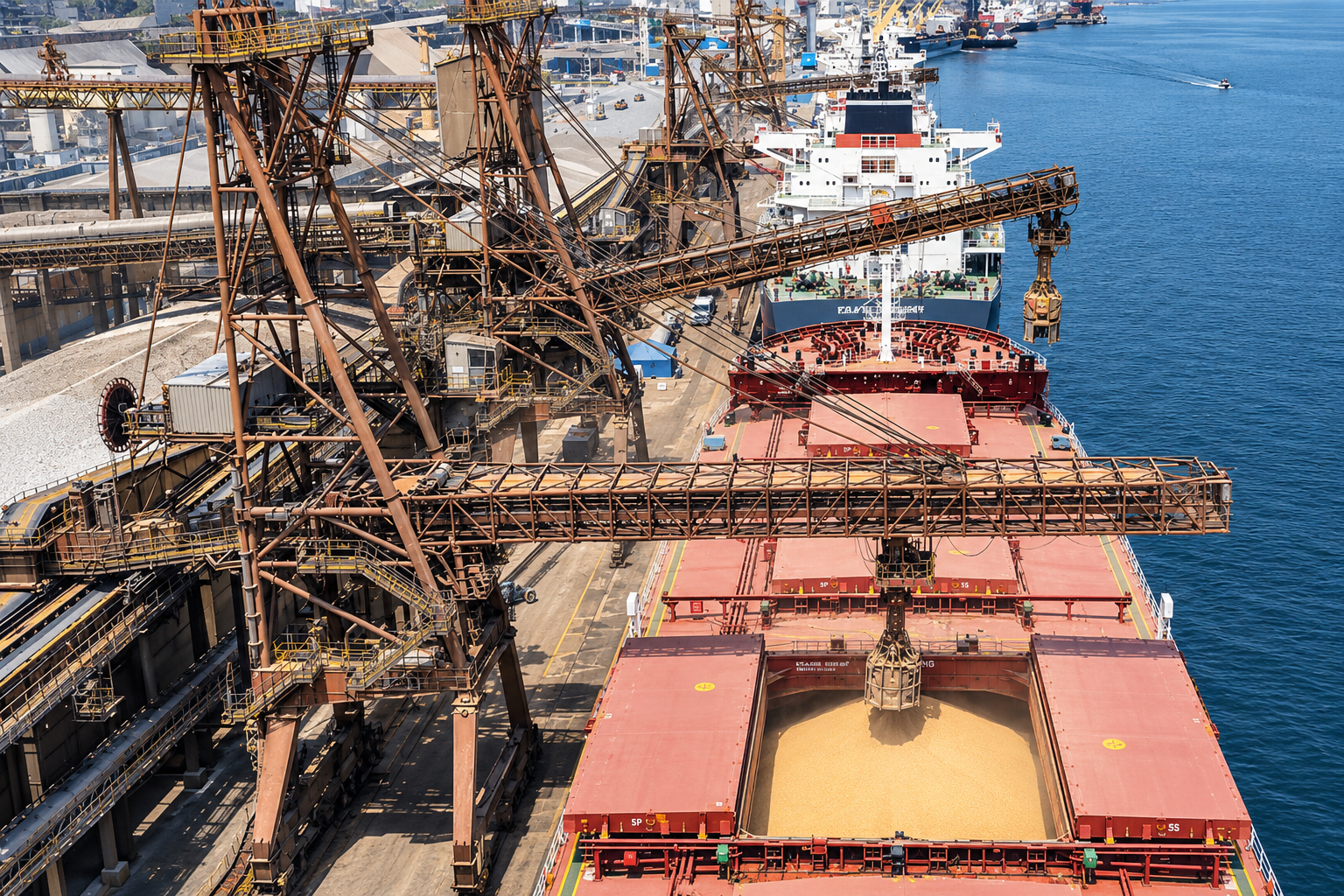
The main career areas include:
- Deck operations and navigation
- Marine engineering
- Electrical and electronic systems
- Cargo operations
- Catering and crew support
The Merchant Navy therefore includes much more than just people working on the bridge of a ship.
Why Is the Merchant Navy Important?
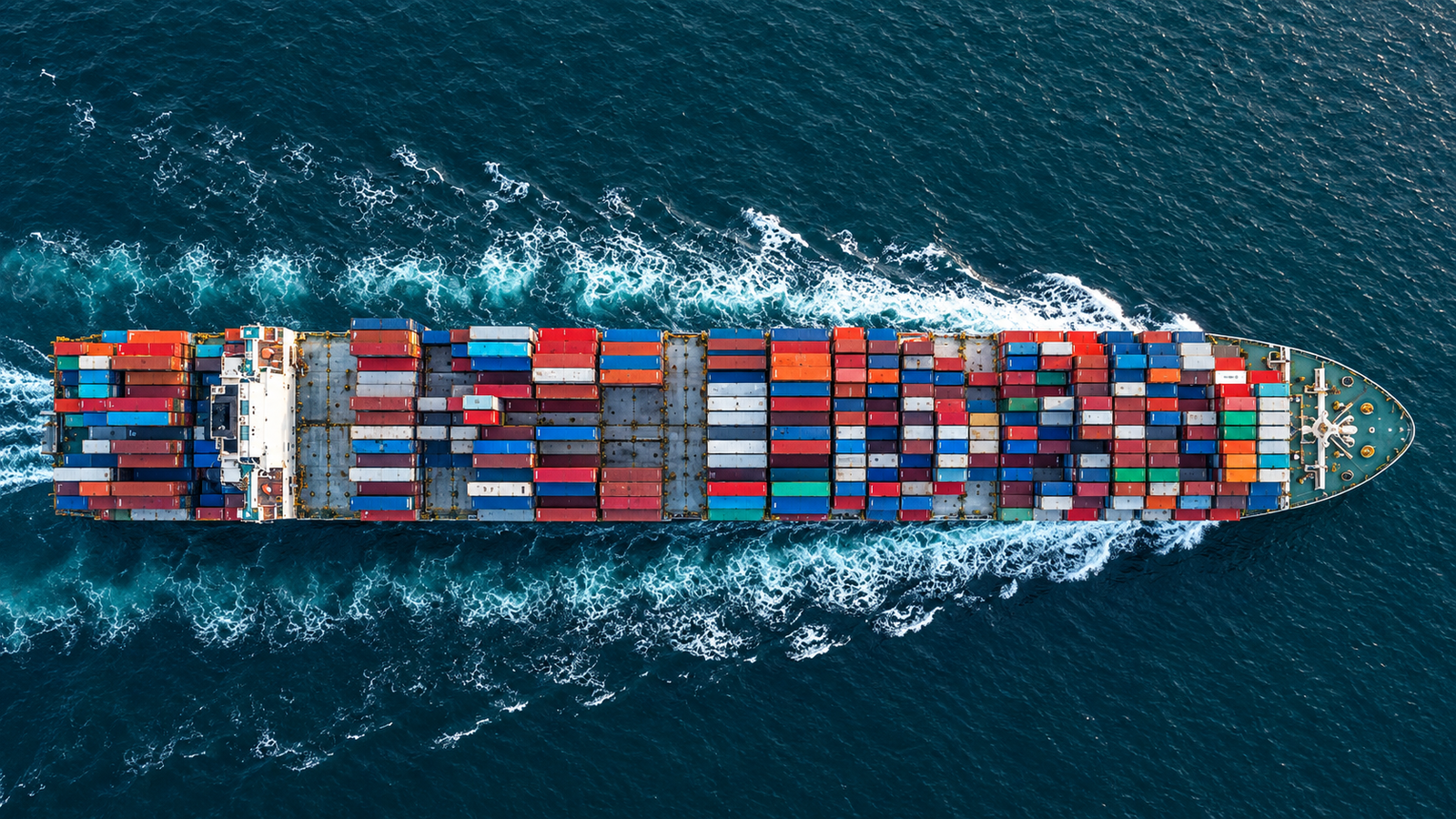
Ships form a major part of the global transport system. They connect countries and allow large quantities of cargo to move over long distances. Every day, merchant vessels carry goods such as food, fuel, vehicles, machinery, and raw materials between ports.
A simple way to understand this is to compare ships with other forms of transport. Trucks move goods by road, trains move goods by rail, and merchant ships move goods across seas and oceans. Without commercial shipping, international trade would be far more difficult and costly.
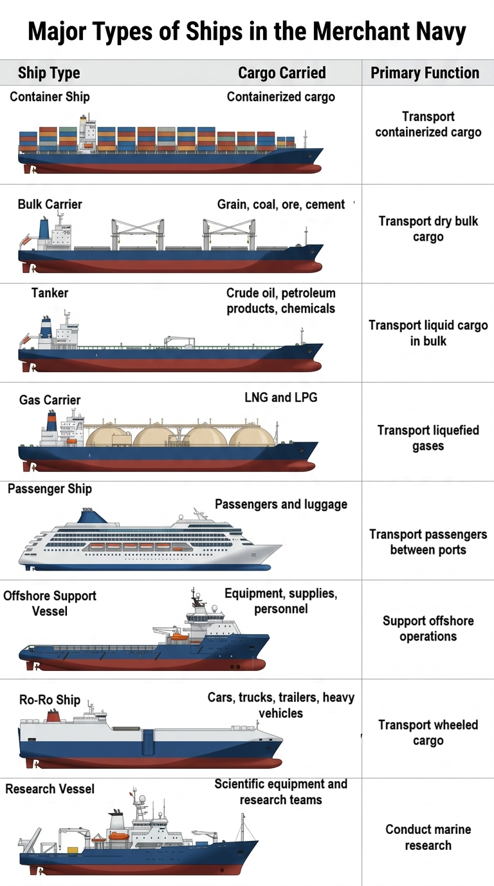
Types of Ships in the Merchant Navy
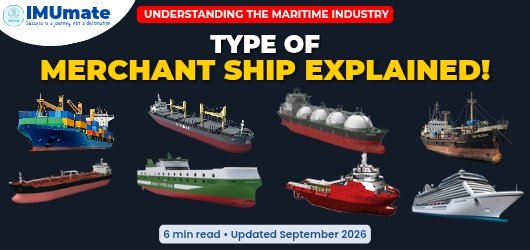
The Merchant Navy includes many types of ships. Each type is designed for a particular cargo or purpose. The type of ship affects its equipment, cargo operations, and the work carried out by its crew.
Merchant Navy Departments on Board a Ship
A ship needs different groups of people to operate safely. These groups are generally divided into the deck department, engine department, and electro-technical function.
Deck Department
The deck department handles the ship’s navigation, cargo operations, and nautical safety. Deck officers work on the bridge and help plan and monitor the voyage. They also take part in cargo operations and other work needed to operate the vessel safely.
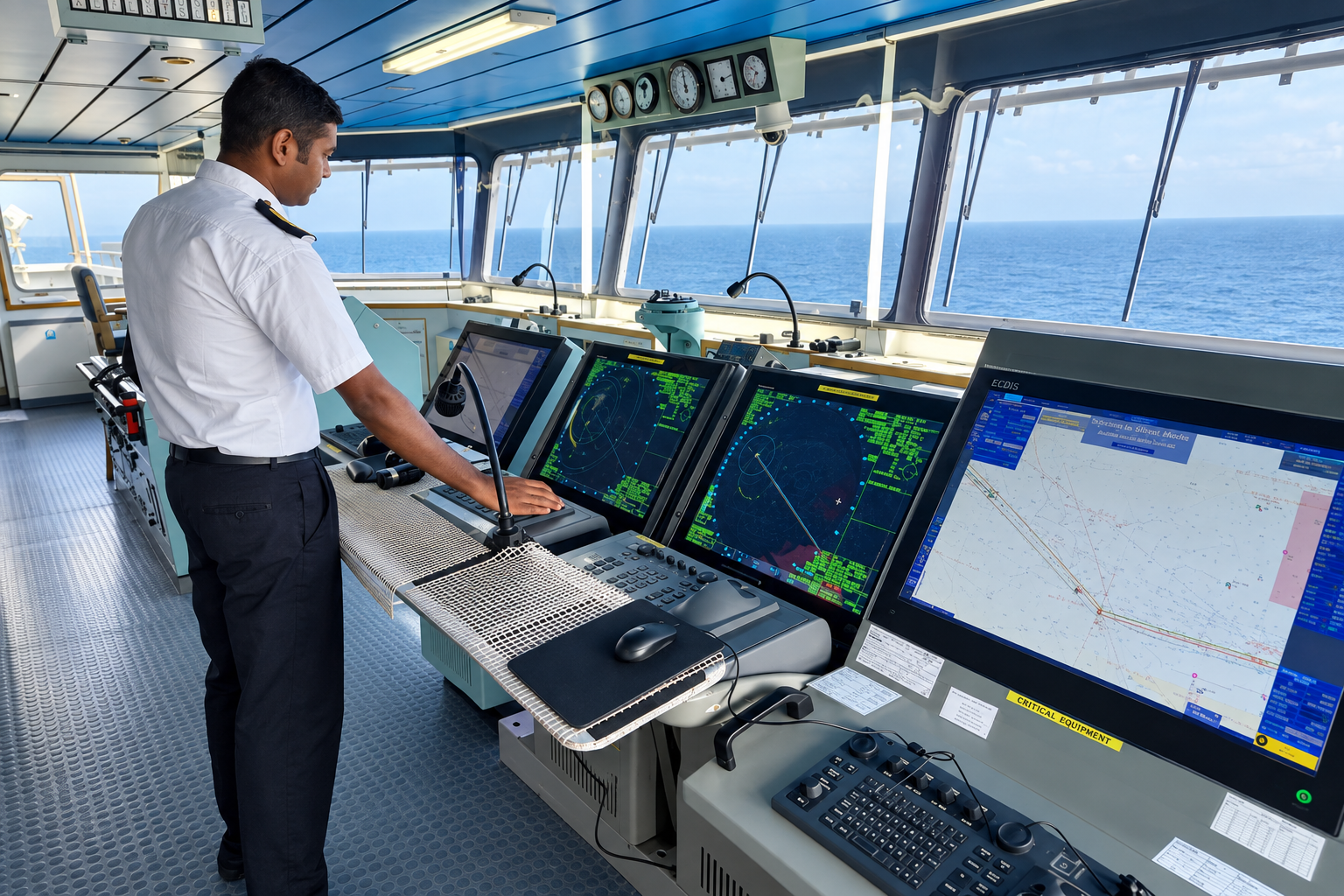
A typical deck-officer progression is: Deck Cadet → 3rd Officer → 2nd Officer → Chief Officer → Master
Typical deck-rating positions include: Deck Trainee/OS → Ordinary Seaman → Able Seafarer Deck → Bosun
Engine Department
The engine department keeps the ship’s machinery running. Marine engineers work with the main engine, generators, pumps, boilers, compressors, and other machinery used on the vessel.

A typical engine-officer progression is: Engine Cadet → 4th Engineer → 3rd Engineer → 2nd Engineer → Chief Engineer
Typical engine-rating positions include: Engine Trainee/Wiper → Wiper → Motorman
Electro-Technical Personnel
Modern ships use many electrical and electronic systems. These include power generation, automation, communication, navigation equipment, and control systems. An Electro-Technical Officer (ETO) is a specialised officer who works with these systems. The need for an ETO depends on the ship and its requirements.

Some ships also carry other specialised personnel. These may include fitters and pumpmen. A pumpman, for example, is particularly important on many tanker vessels.
Catering and Accommodation
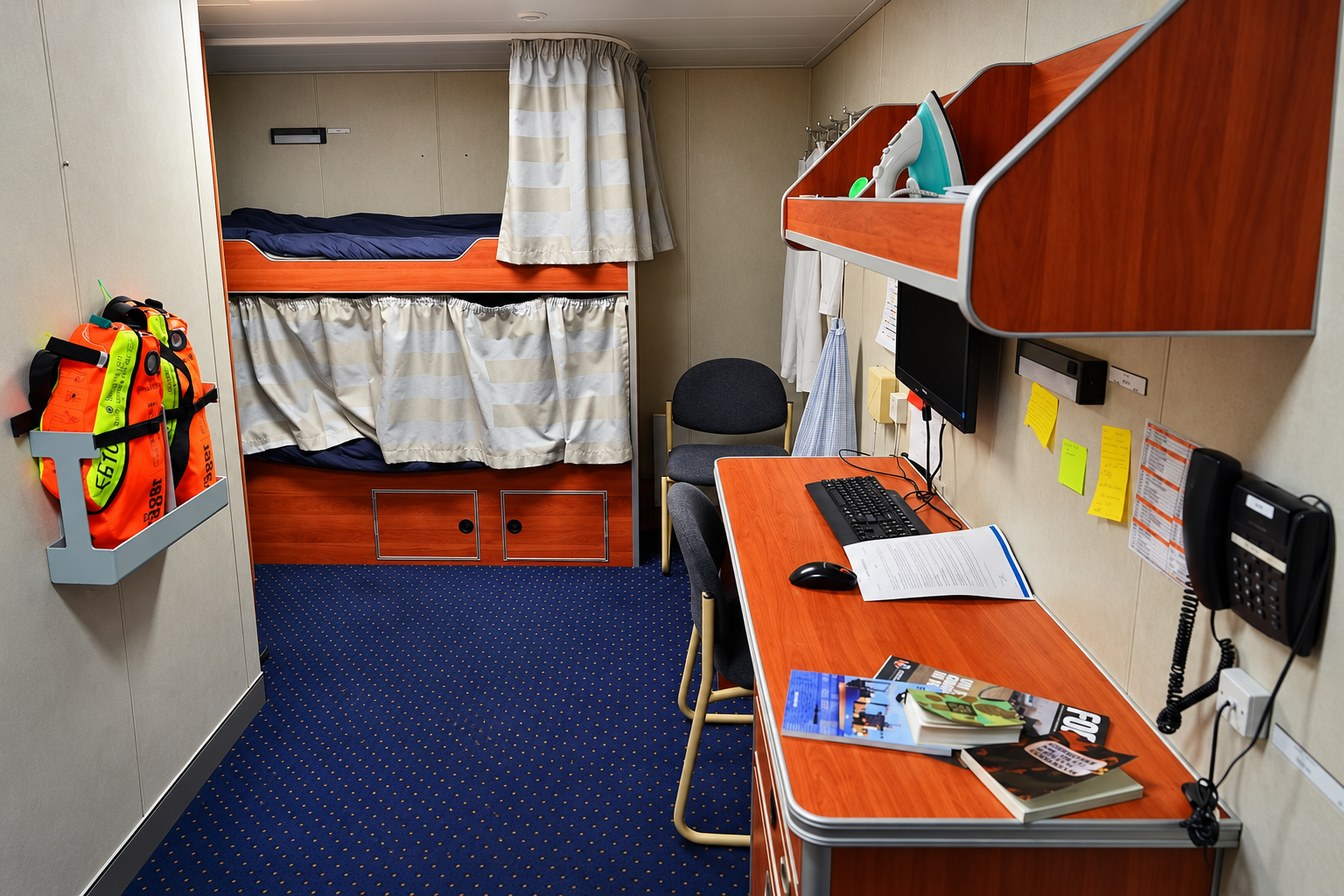
Ships also need personnel to support the crew’s daily life. Depending on the vessel, this may include cooks, stewards, and other catering or accommodation staff. The crew structure is not the same on every ship. It depends on the vessel, company, flag, trade, and minimum safe-manning requirements.
How to Join the Merchant Navy
The route into the Merchant Navy depends on the type of career a student wants.
Deck Officer
There are two main academic routes into a deck-officer career. Diploma in Nautical Science (DNS) is a pre-sea programme followed by shipboard training as a Deck Cadet. After completing the required sea service, training, examinations, and certification, a candidate can progress towards the Second Mate Certificate of Competency. B.Sc. Nautical Science is a three-year undergraduate programme followed by the required shipboard training, sea service, examinations, and certification. Both routes can lead to a deck-officer career. Admission and eligibility requirements should be checked against the current IMU and DG Shipping rules.
Marine Engineering Officer
Students interested in ship machinery can pursue B.Tech. Marine Engineering, a four-year undergraduate programme followed by the required shipboard training and certification. Eligible engineering graduates may also enter Marine Engineering through lateral entry, subject to the institute’s requirements. Another route is Graduate Marine Engineering (GME). This is a pre-sea programme for eligible engineering graduates, followed by the required onboard training and certification.
Deck and Engine Ratings
Students who want to enter the industry at the rating level can consider General Purpose Rating (GP Rating). GP Rating is a six-month pre-sea course that prepares candidates for work in the deck and engine departments.
Merchant Navy Salary and Benefits
| Position | Indicative Monthly Pay |
|---|---|
| Captain / Chief Engineer | $10,000–17,000 |
| Chief Officer / 2nd Engineer | $6,000–10,000 |
| 2nd Officer / 3rd Engineer | $4,000–5,000 |
| 3rd Officer / 4th Engineer | $2,500–3,000 |
| ETO | $3,000–5,500 |
| Cadet / TME / Trainee ETO | $400–800 |
| AB / Motorman | $1,200–1,600 + overtime |
| OS / Wiper | $700–1,200 + overtime |
Common Misconceptions About the Merchant Navy
A common misconception is that the Merchant Navy is part of the Indian Navy. In reality, merchant shipping is a civilian industry. Another misconception is that every seafarer works on the bridge. In reality, ships need people for navigation, engineering, electrical systems, cargo operations, catering, and other specialised work.
The Merchant Navy is also not limited to cargo ships. It includes container ships, bulk carriers, tankers, passenger vessels, vehicle carriers, offshore vessels, research ships, and other specialised vessels. Finally, completing a maritime course does not automatically guarantee employment. A candidate still needs the required training, certification, sea time, and a legitimate route to shipboard employment.
Frequently Asked Questions
1. Is the Merchant Navy part of the Indian Navy?
No. The Merchant Navy is a civilian commercial shipping industry. The Indian Navy is a military organisation responsible for maritime defence and national security.
2. What does the Merchant Navy transport?
Merchant ships transport containers, crude oil, chemicals, LNG, LPG, coal, grain, iron ore, vehicles, passengers, and many other types of cargo. Some ships also support offshore and specialised maritime operations.
3. What types of jobs are available in the Merchant Navy?
Jobs are available in the deck and engine departments, as well as specialised roles such as Electro-Technical Officer. Ships may also employ ratings, catering personnel, and other specialised crew.
4. Can Indians work on foreign ships?
Yes. Indian seafarers work for shipping companies around the world and serve on vessels registered under different flags.
5. Do I become an officer immediately after joining?
No. Most candidates begin as cadets or trainees. They must complete the required education, onboard training, sea service, examinations, and certification before progressing to officer-level positions.
6. How can I join the Merchant Navy after Class 10?
Candidates who have completed Class 10 may be eligible for rating-level courses such as GP Rating, subject to the current eligibility requirements.
7. How can I become a Merchant Navy officer after Class 12?
For the deck department, candidates can consider DNS or B.Sc. Nautical Science. For marine engineering, B.Tech. Marine Engineering is a major route. Eligibility and admission requirements should be checked for the current academic year.
References and Further Reading
- International Maritime Organisation (IMO) https://www.imo.org/en
- Directorate General of Shipping (DG Shipping), Government of India https://dgma.gov.in/
- International Labour Organisation (ILO) https://www.ilo.org/
- International Chamber of Shipping (ICS) https://www.ics-shipping.org/
- International Convention on Standards of Training, Certification and Watchkeeping for Seafarers (STCW)
- Maritime Labour Convention, 2006 (MLC, 2006)
Abhiraj Singh is a seafarer, maritime technical writer, and lifelong learner with a passion for exploring the world of shipping beyond the bridge and engine room. His writing covers merchant ships, navigation, seamanship, cargo operations, maritime regulations, shipboard safety, and the technologies that keep global trade moving. Through IMUmate, he contributes educational content designed to prepare the next generation of seafarers for both examinations and life at sea.