What Are Offshore Vessels?
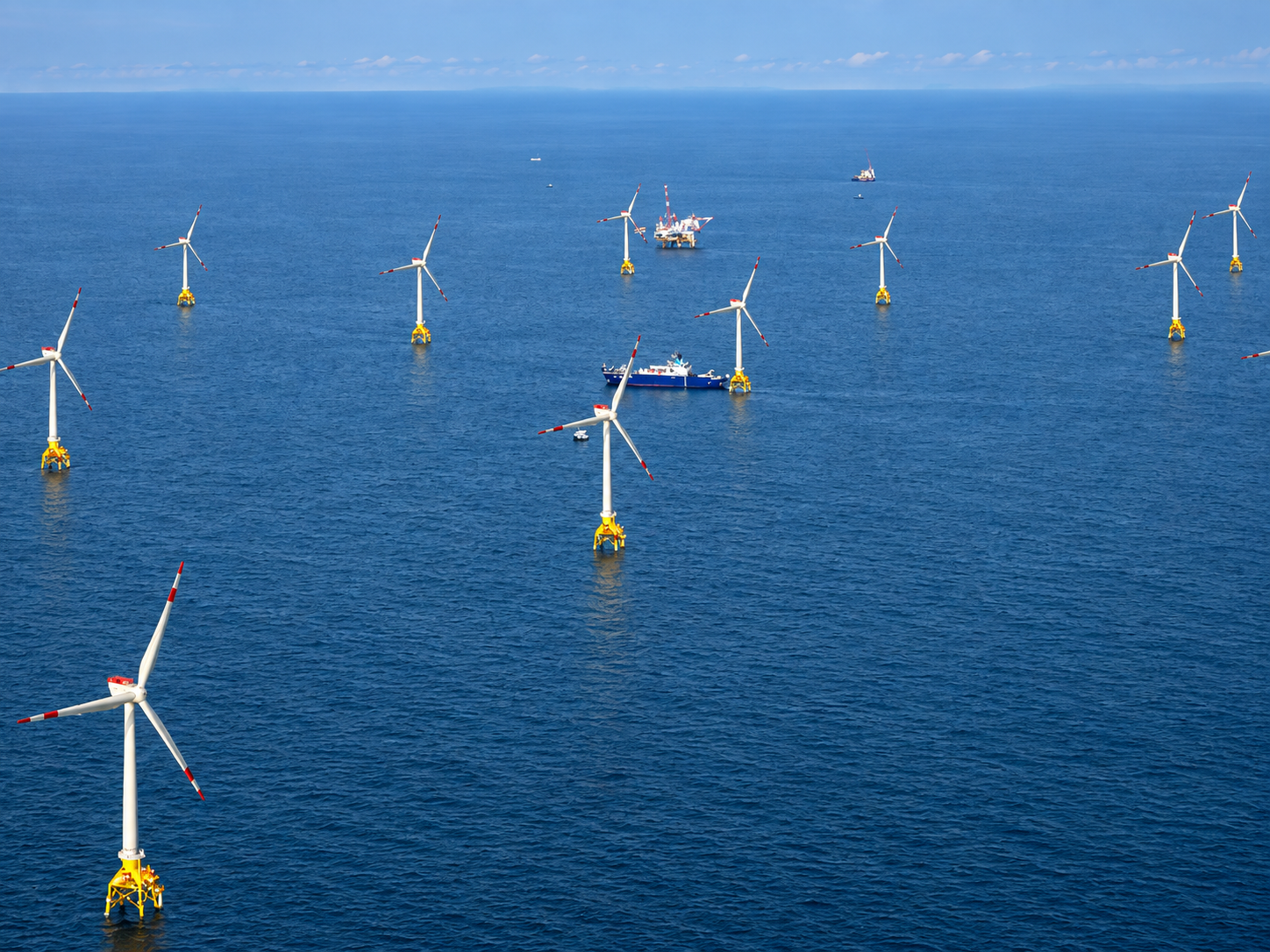
An offshore vessel is a commercial vessel designed or used to support specific work offshore. These vessels can operate around oil and gas fields, offshore wind farms, subsea construction sites, platforms, and other marine projects.
The term offshore vessel is more of an industry and operational category than the name of one particular ship type. Not every vessel that sails away from the coast is an offshore vessel. Its purpose and role matter more than its distance from land.
Types of Offshore Vessels and Their Uses
There are many types of offshore vessels, and the best way to understand them is by their main function. The vessel’s role determines its equipment, cargo capacity, and operating capabilities. Offshore vessels support oil and gas, offshore wind, subsea construction, cable projects, and other marine operations.
Offshore Support and Service Vessels
Platform Supply Vessels (PSVs)
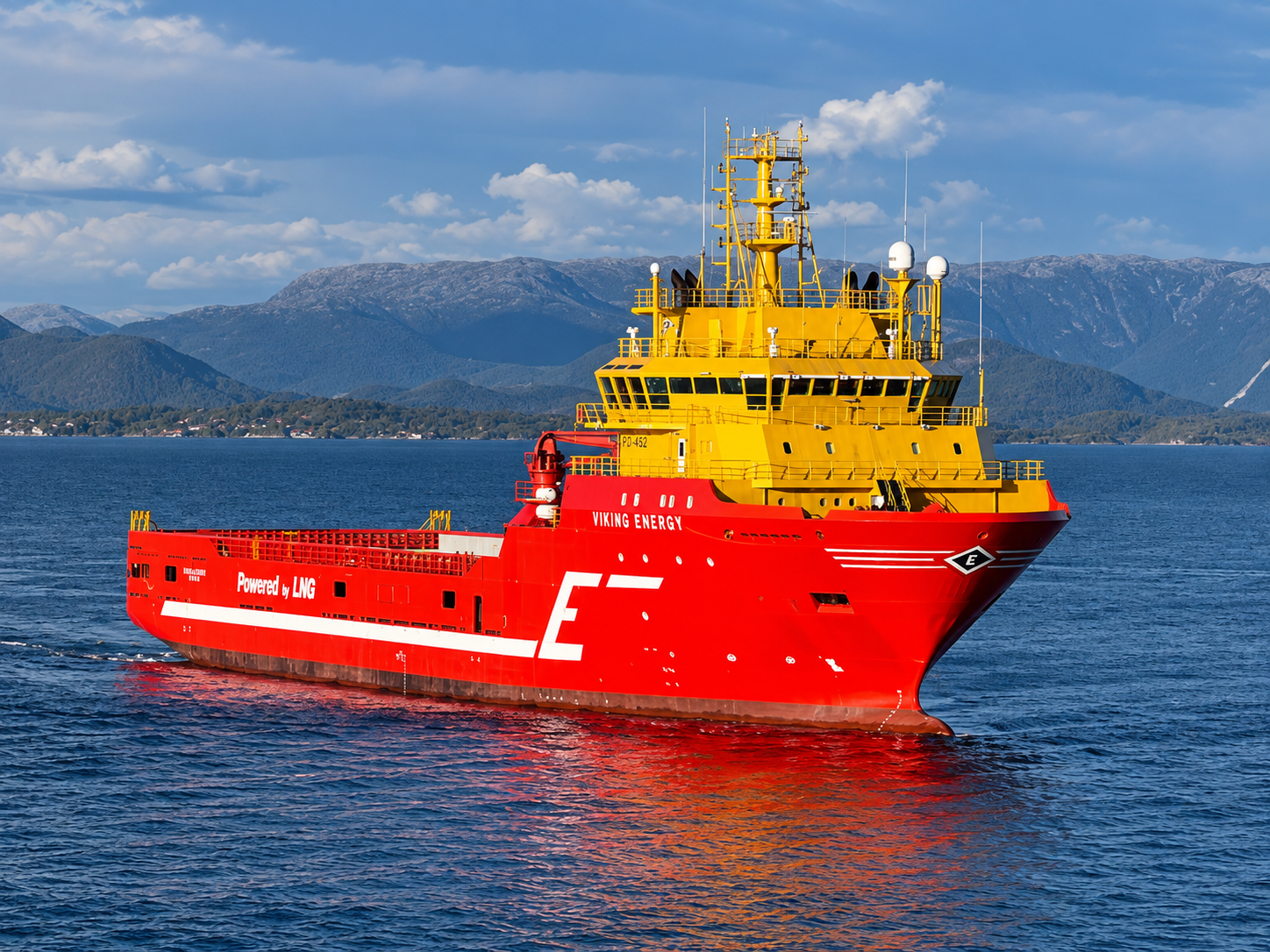
Platform Supply Vessels (PSVs)
Platform Supply Vessels (PSVs) transport equipment, provisions, and other materials between shore and offshore installations. They usually have a large working deck for deck cargo and may carry liquid and dry bulk supplies in dedicated tanks or systems.
Anchor Handling Tug Supply Vessels (AHTS)
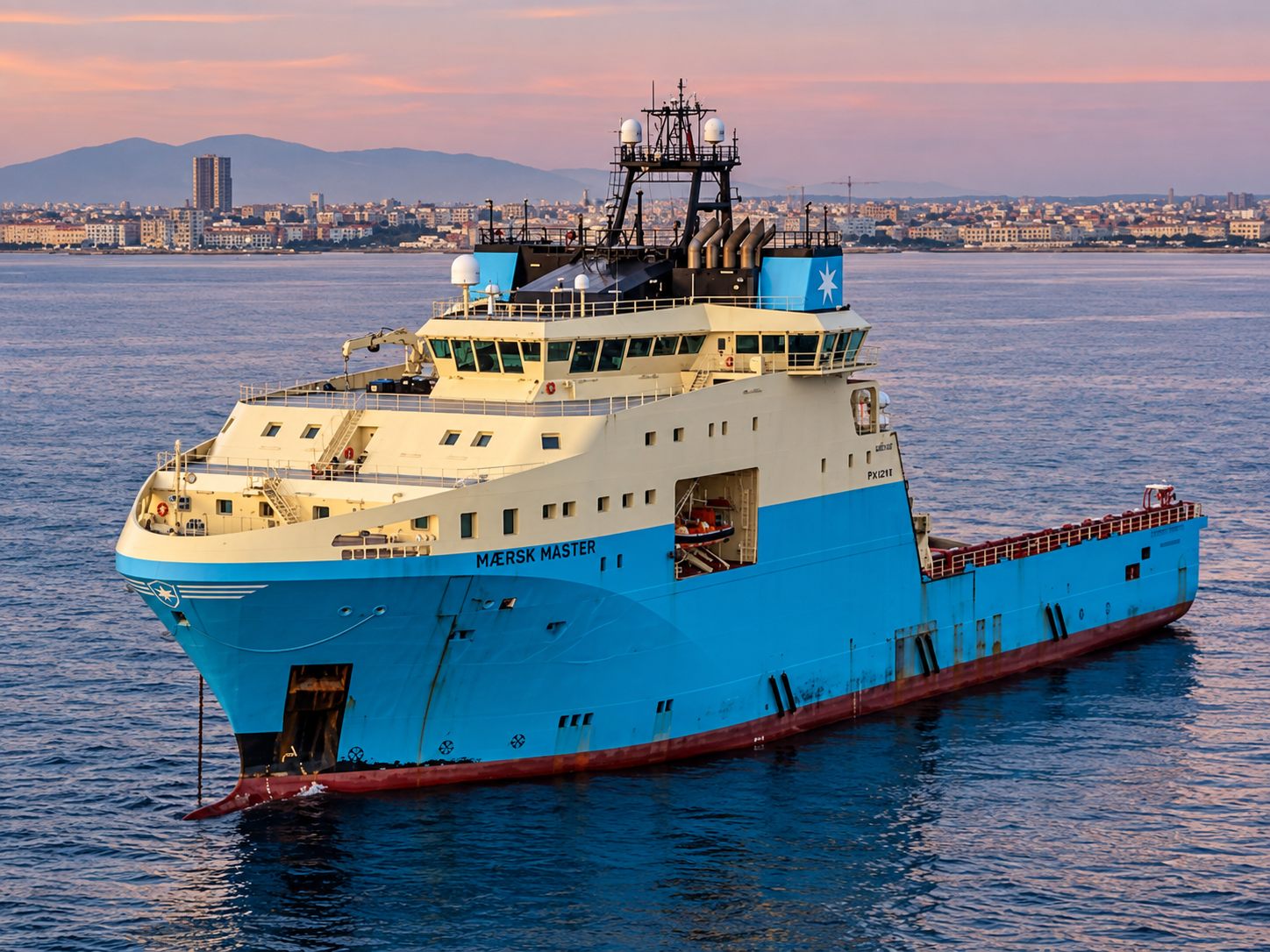
Anchor Handling Tug Supply Vessels (AHTS) combine offshore supply with towing and anchor handling. They handle anchors, support rig moves, and tow offshore units using heavy-duty winches and high bollard pull.
Offshore Construction Vessels (OCVs)
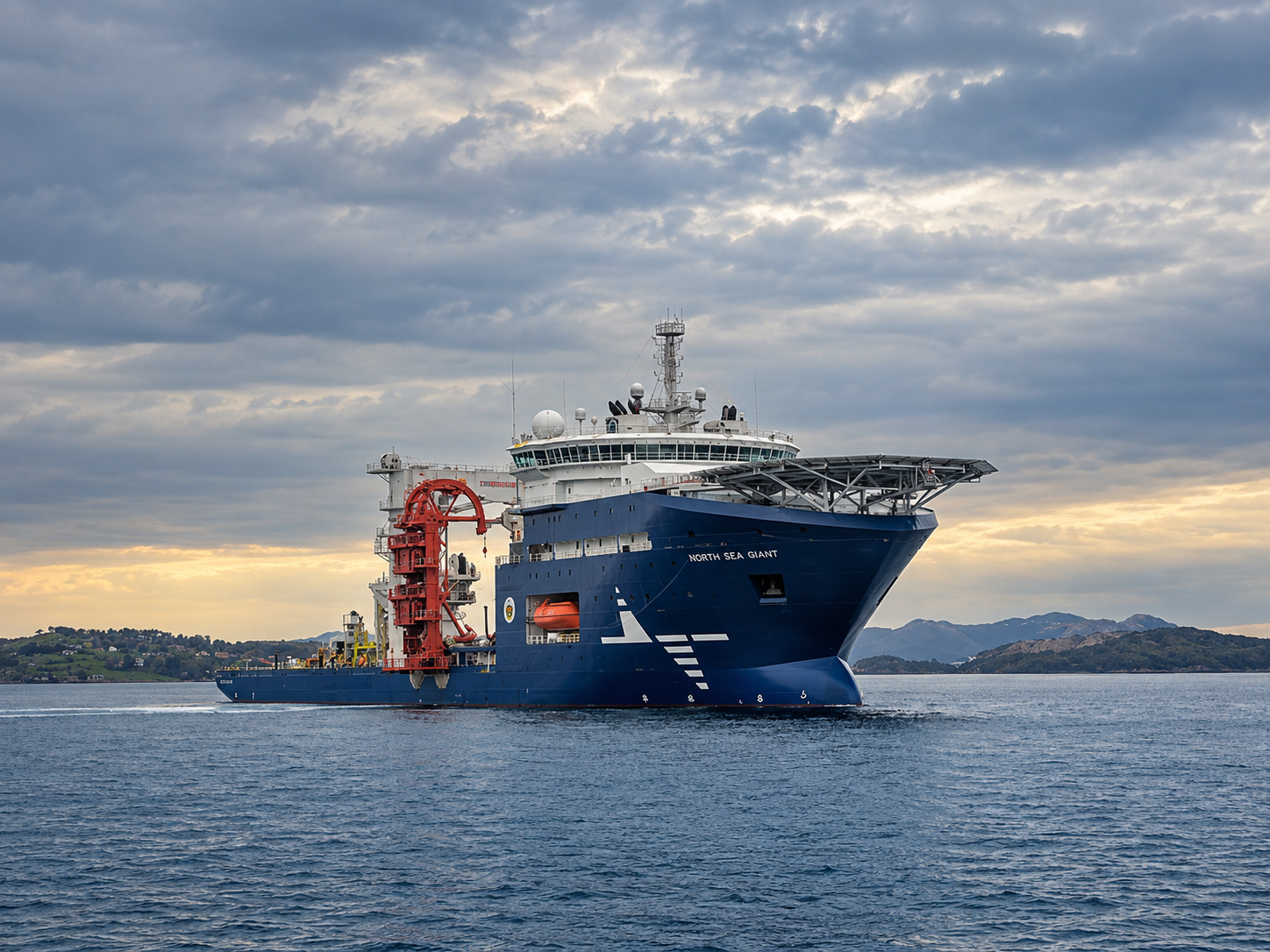
Offshore Construction Vessels (OCVs)
Offshore Construction Vessels (OCVs) support offshore construction and installation projects. Depending on the work, they may have large cranes, subsea equipment, and other specialist systems.
Diving Support Vessels (DSVs)
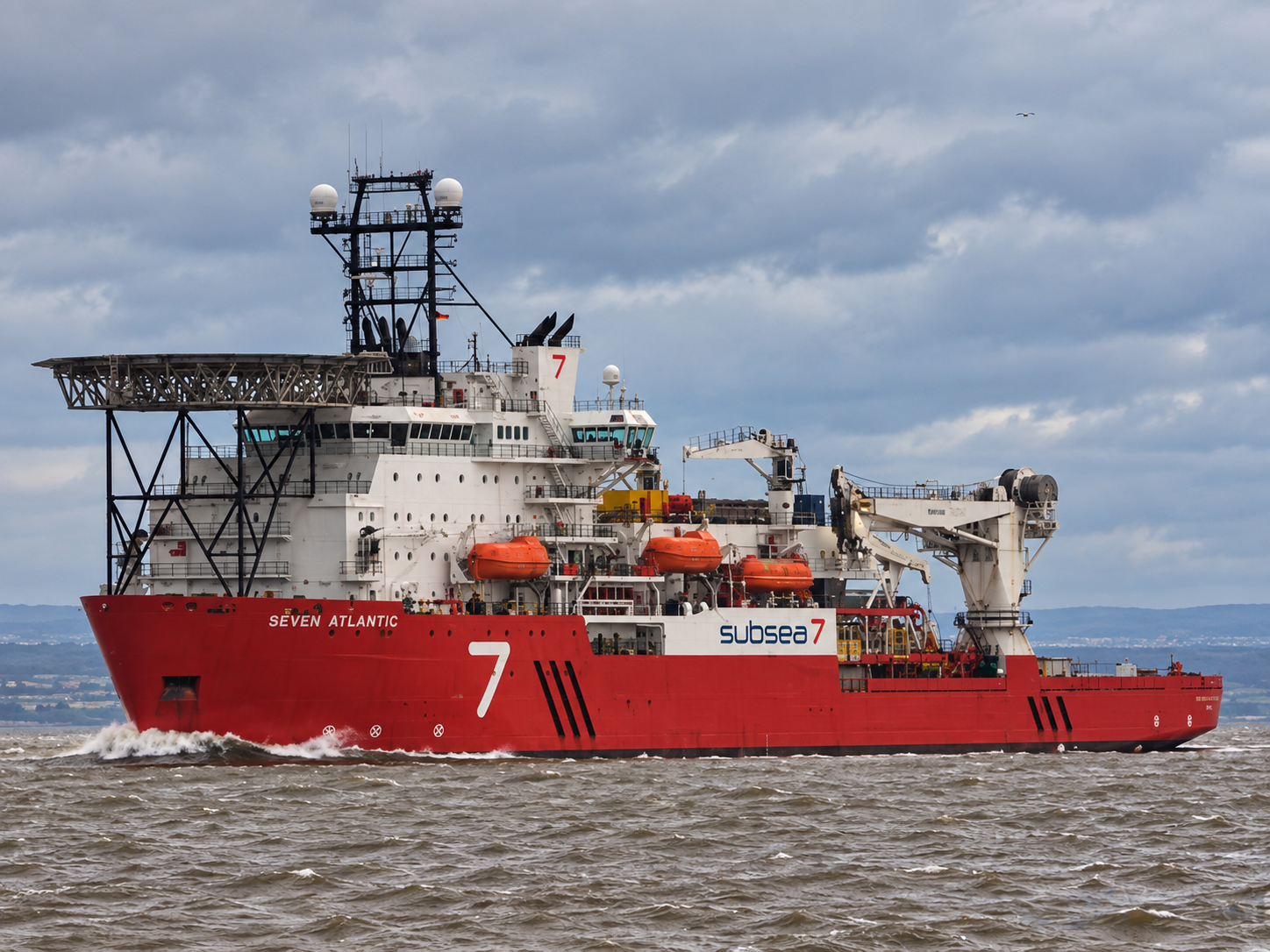
Diving Support Vessels (DSVs) support underwater diving and subsea operations. They may carry diving systems, support remotely operated vehicles (ROVs), and perform inspection, maintenance, and repair work. Some also support saturation diving.
Offshore Support Vessel (OSV)
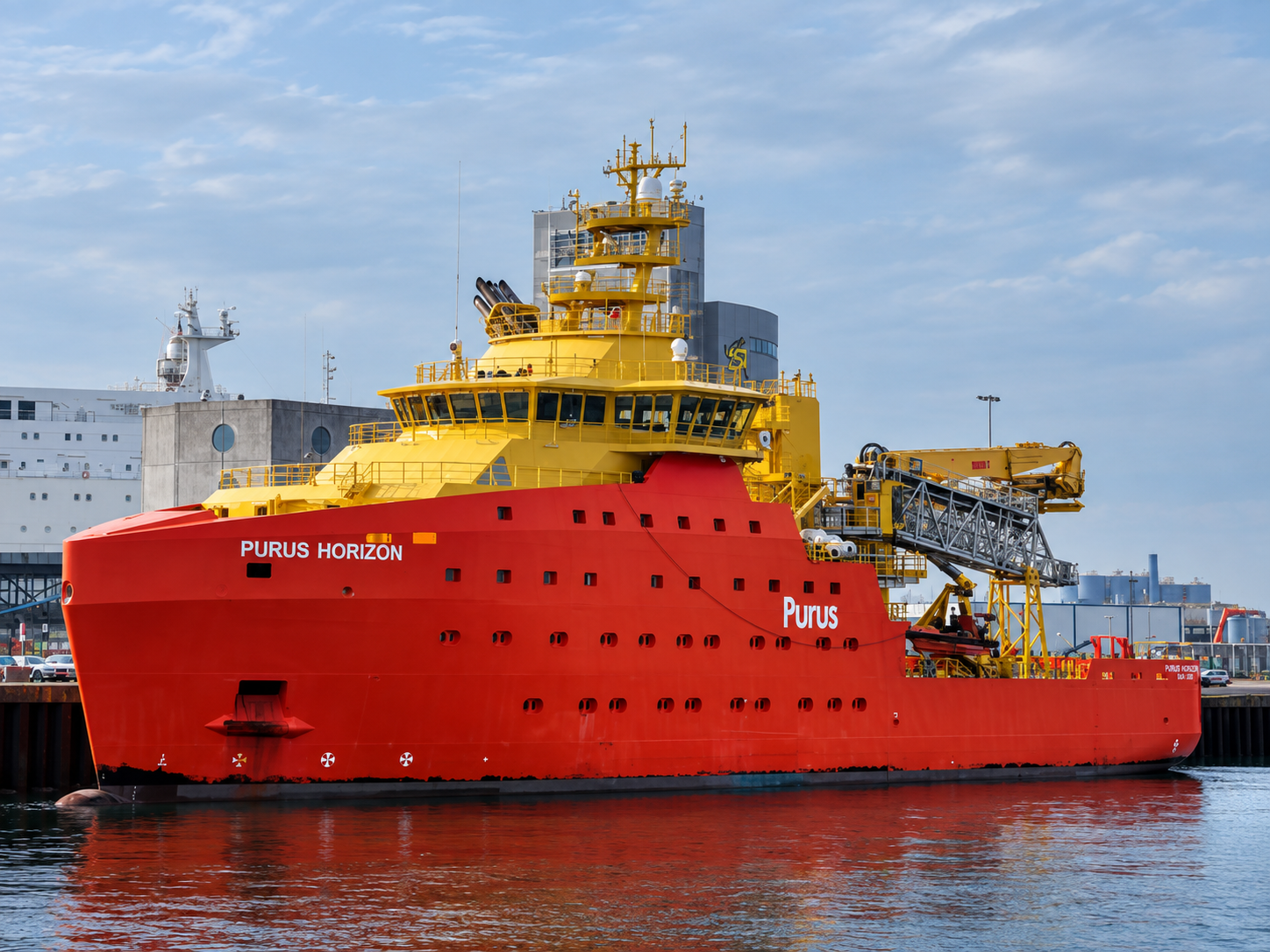
Offshore Support Vessel (OSV)
Offshore Support Vessel (OSV) is a broad term covering vessels that support offshore operations. A PSV is one type of OSV, while other OSVs may be designed for more specialised tasks.
Crew Transfer Vessels (CTVs)

In offshore wind operations, Crew Transfer Vessels (CTVs) transport personnel between shore and offshore wind facilities. They are designed around speed, seakeeping, and safe personnel transfer. Service Operation Vessels (SOVs) support longer maintenance operations and can provide accommodation and facilities for personnel working offshore. Some use walk-to-work systems for personnel transfer.
Cable-laying vessels
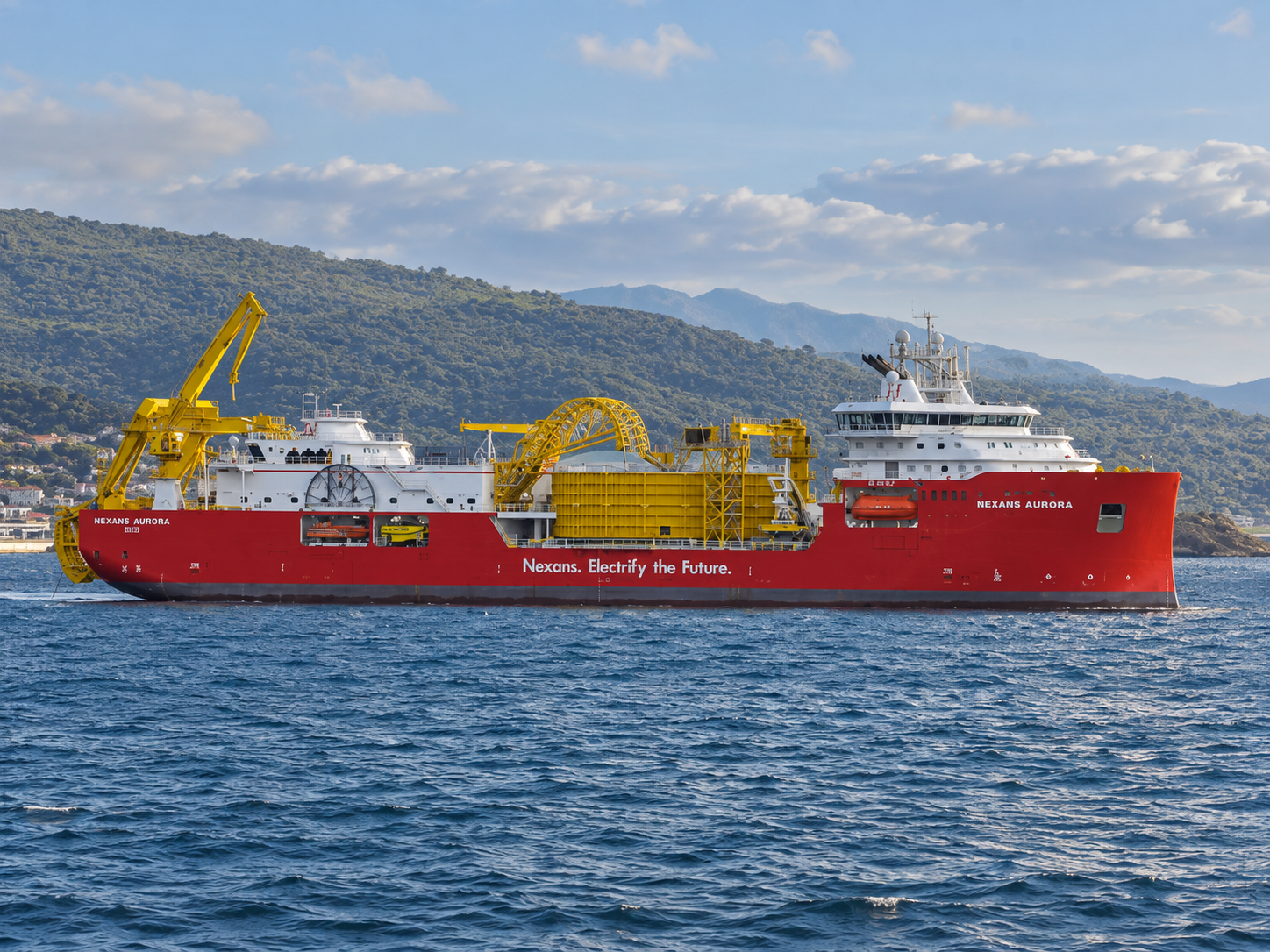
Cable-laying vessels
Cable-laying vessels install subsea power and telecommunications cables, while pipe-laying vessels install offshore pipelines. Both require specialised systems to handle and place their payload on the seabed.
Other Specialised Vessels
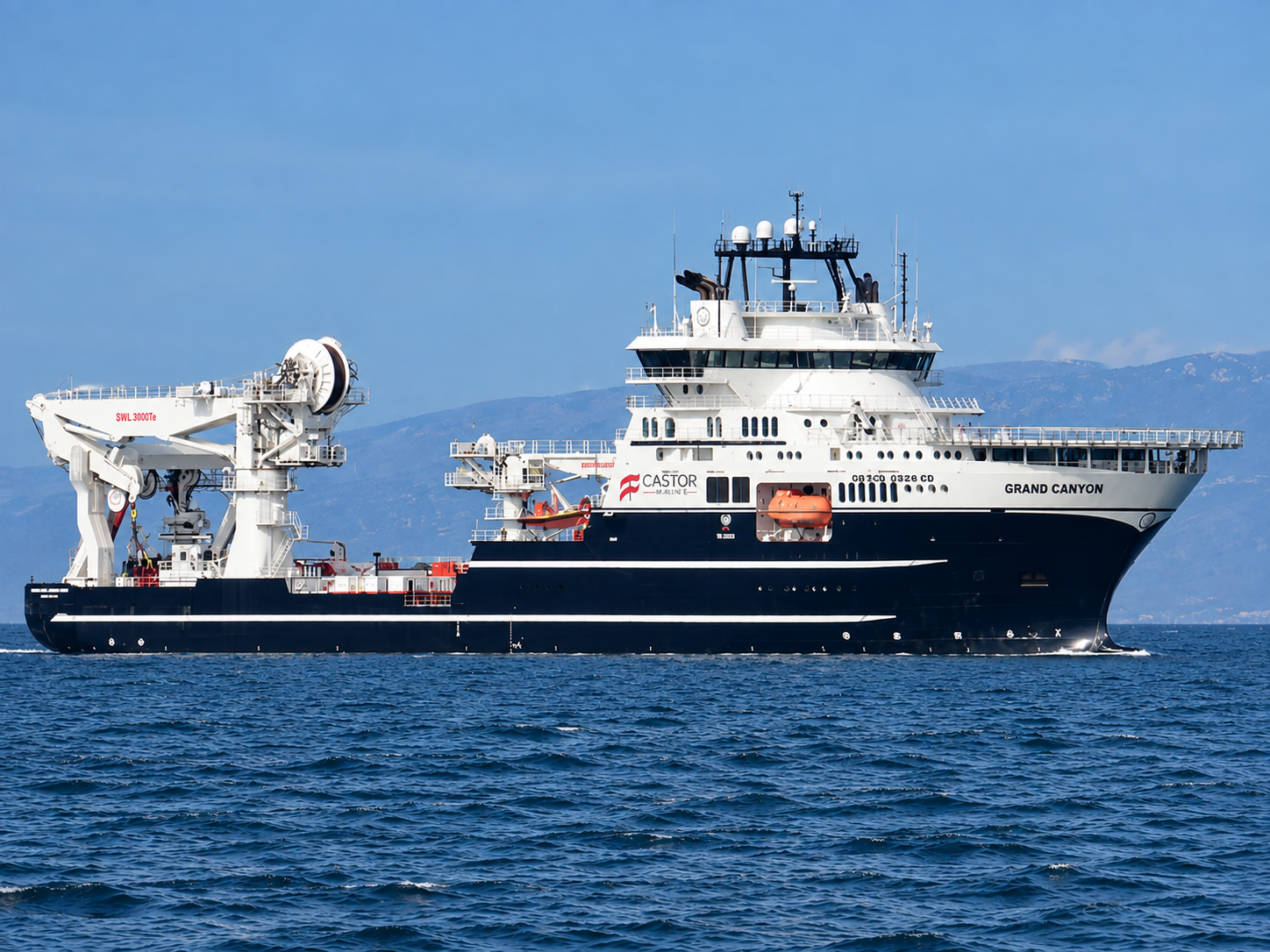
Other specialist vessels include trenching and burial vessels, which work on the seabed to bury cables or pipelines, well-stimulation vessels, which support offshore well intervention, and emergency response vessels, which may provide standby, rescue, or firefighting services.
Offshore Drilling and Production Units
Drilling and production units perform different roles from offshore support vessels. Their functions include drilling, production, storage, processing, and gas handling.
Mobile Offshore Drilling Unit (MODU)
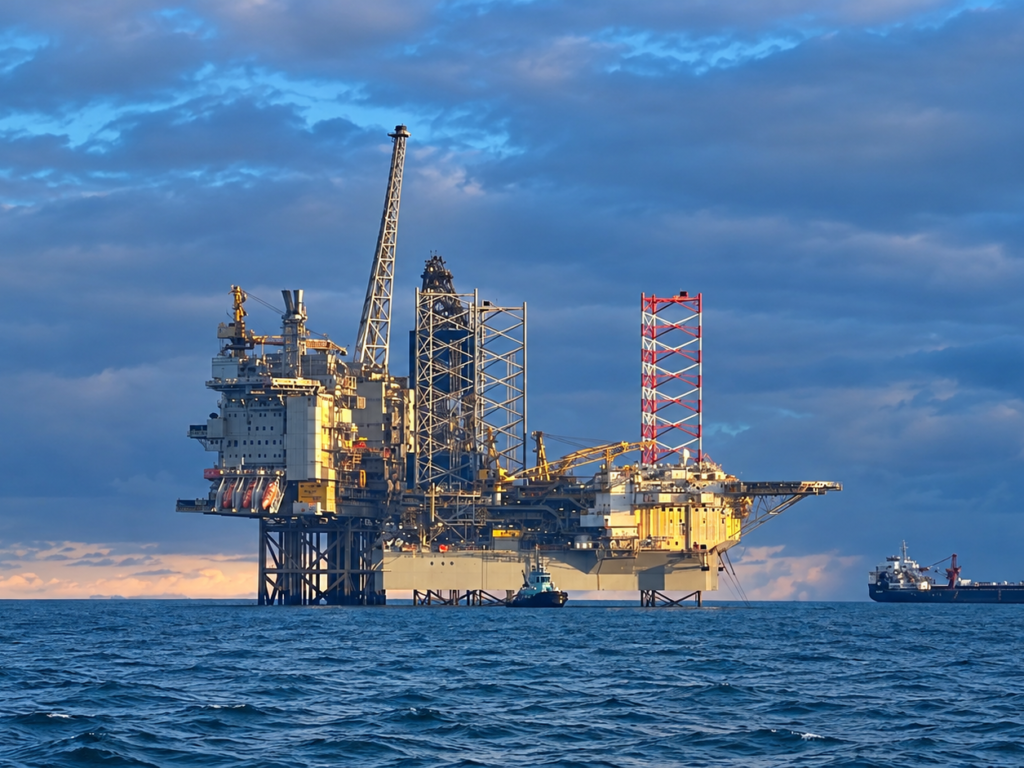
Mobile Offshore Drilling Unit (MODU)
A drillship conducts drilling operations from a floating, ship-shaped vessel. A Mobile Offshore Drilling Unit (MODU) is a specialised unit used for offshore drilling. Jack-up units use legs lowered to the seabed to raise the working platform above the water, while semi-submersible units use submerged structures for stability.
Floating Production, Storage and Offloading Unit (FPSO)
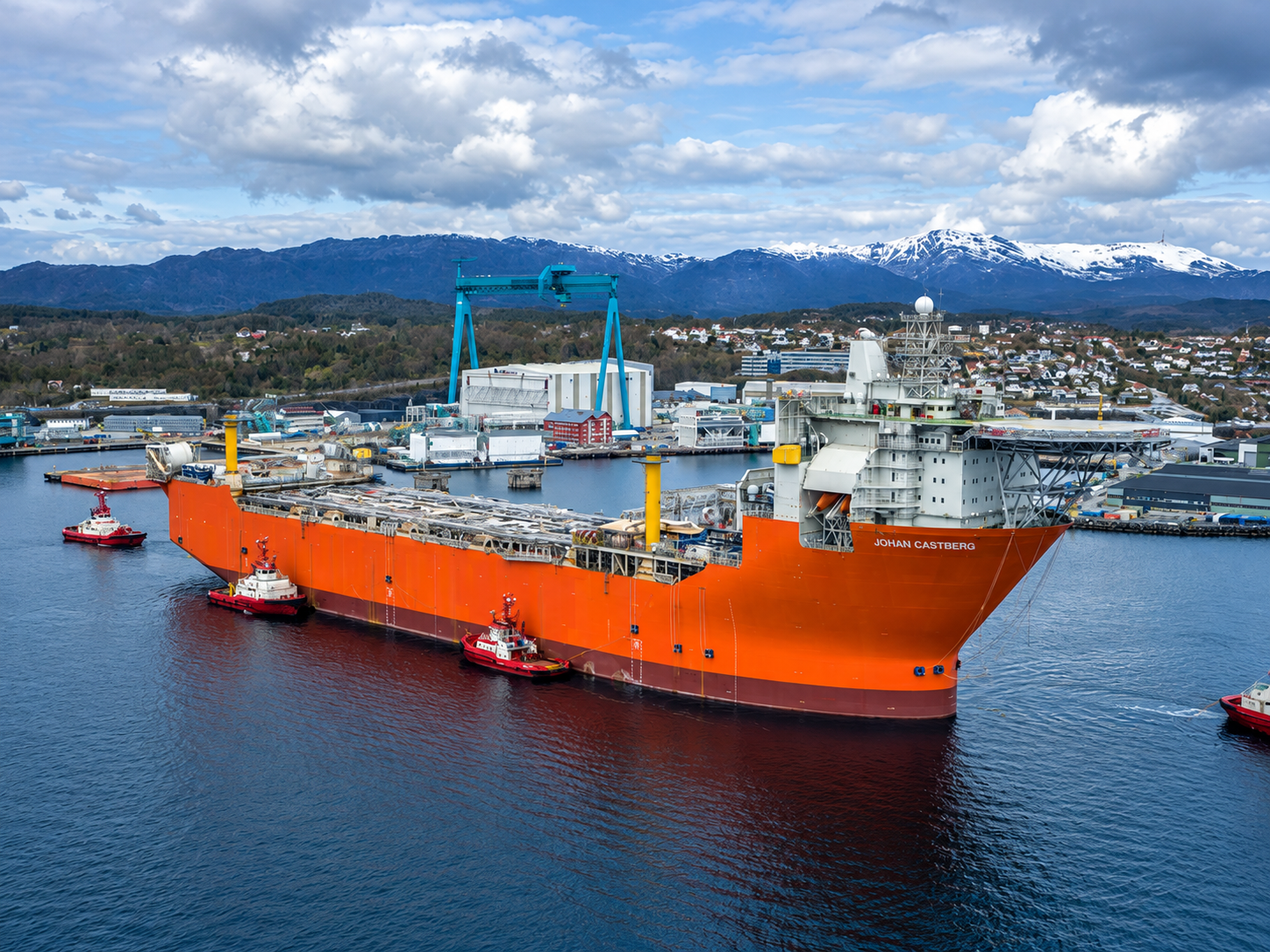
FPSO stands for Floating Production, Storage and Offloading. An FPSO receives fluids from an offshore field, processes them, stores the produced oil, and transfers it to another vessel or facility. Although it may resemble a tanker, its primary role is offshore production and storage.
Floating Storage and Offloading Unit (FSO)
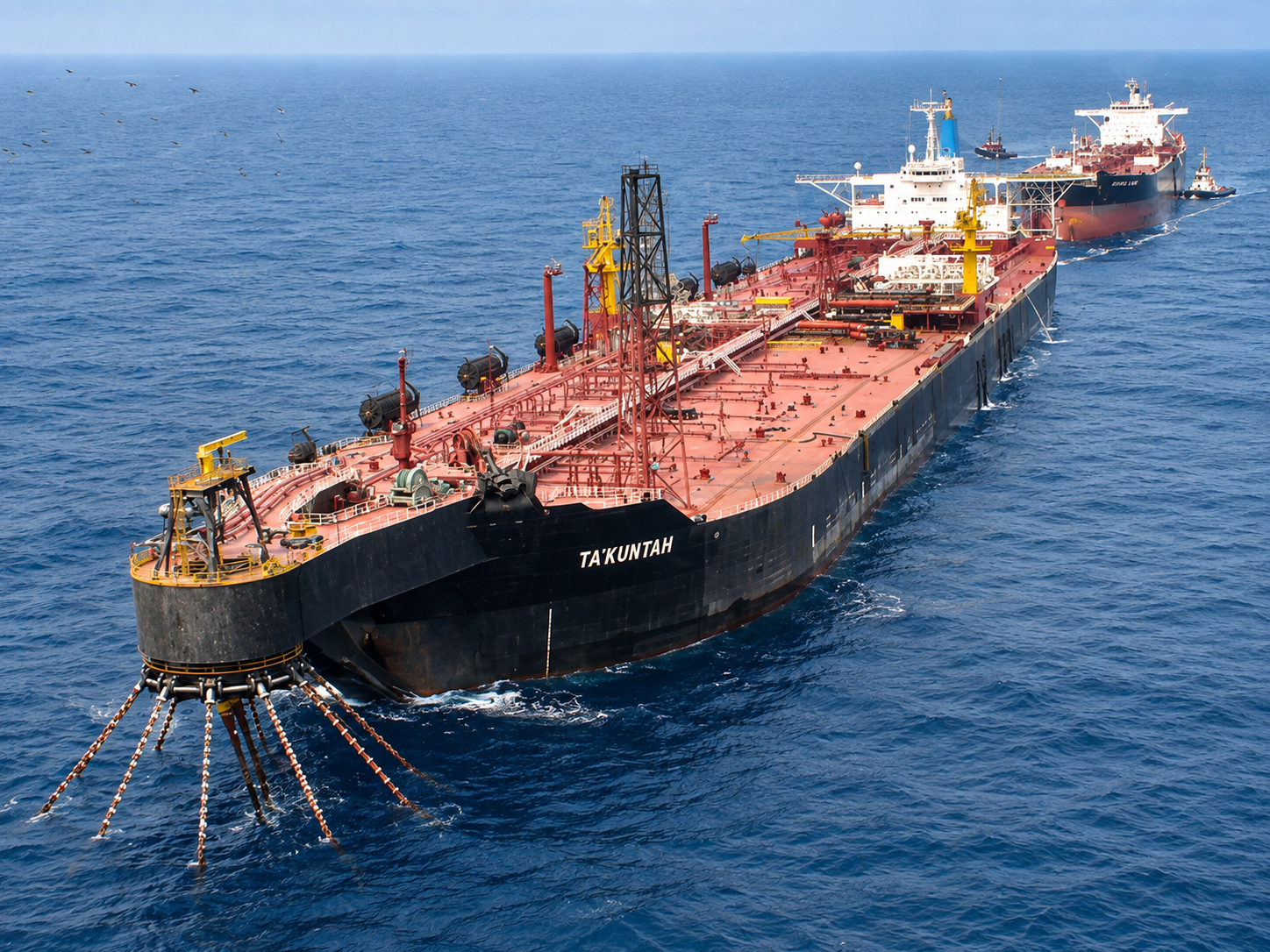
Floating Storage and Offloading Unit (FSO)
FSO, or Floating Storage and Offloading Unit, provides offshore storage and offloading without performing the same production function as an FPSO.
Floating Liquefied Natural Gas Unit (FLNG)
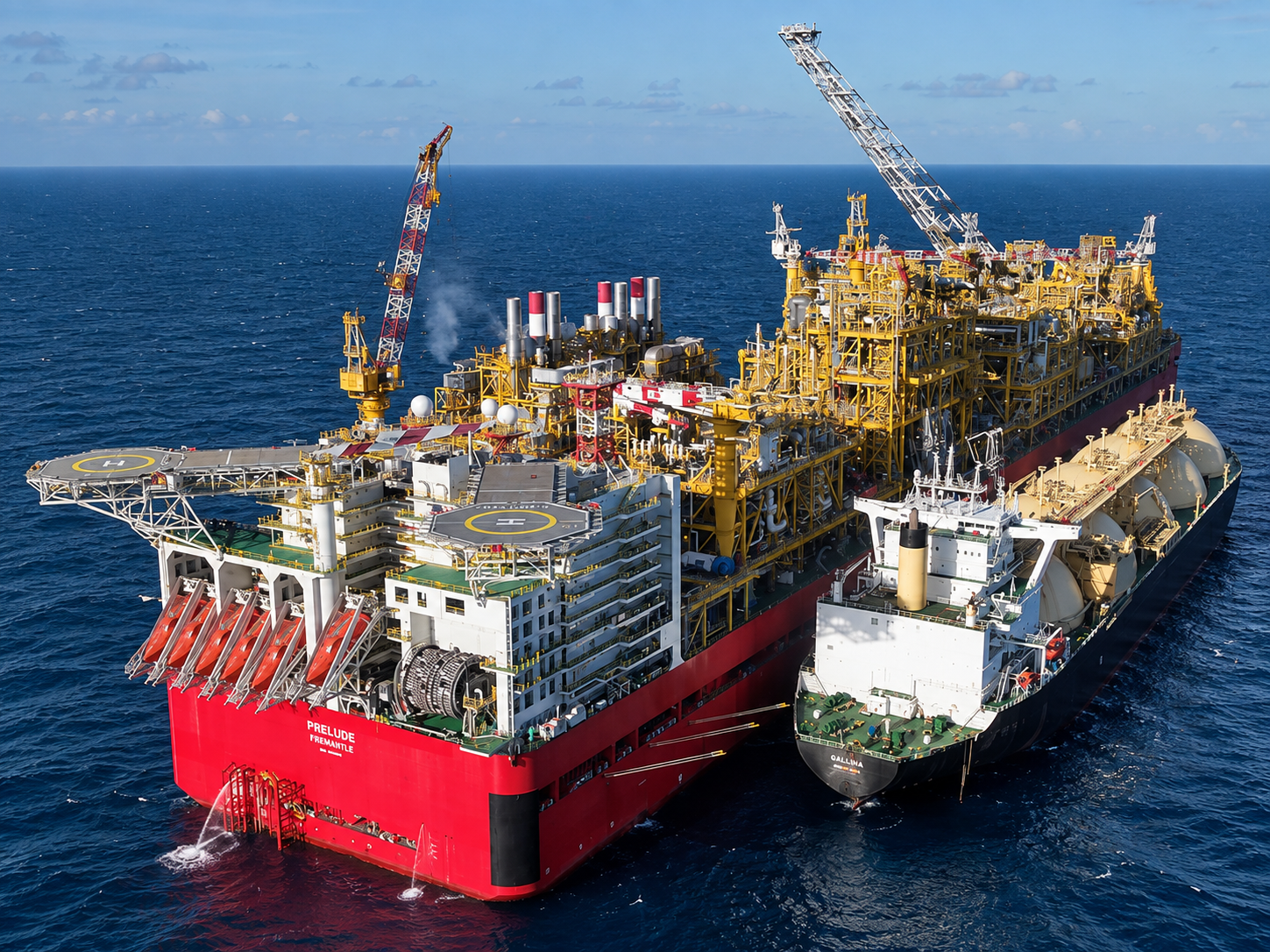
FLNG, or Floating Liquefied Natural Gas Unit, receives natural gas from an offshore field, processes and liquefies it onboard, and stores the LNG for later offloading.
Floating Storage and Regasification Unit (FSRU)
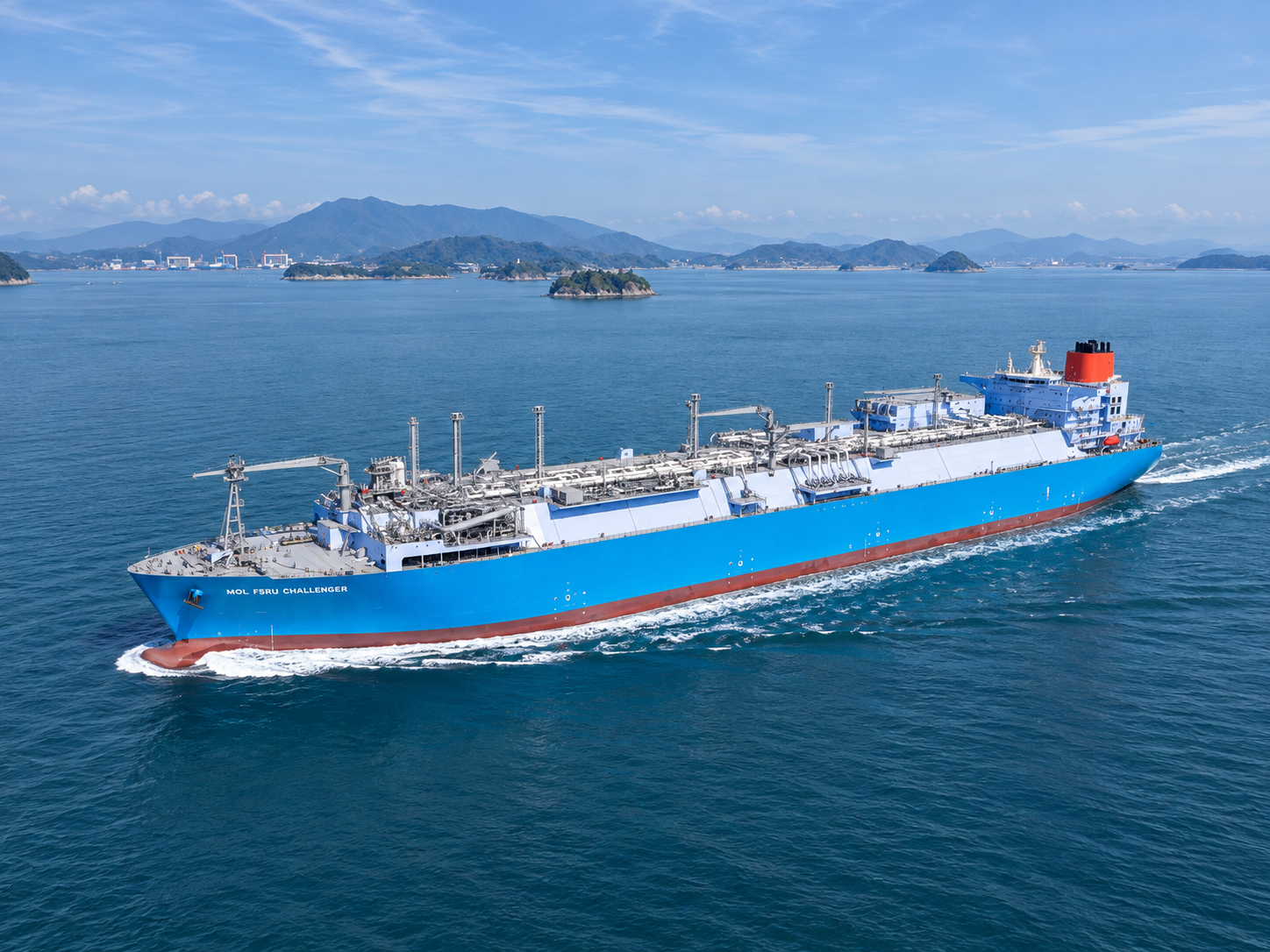
Floating Storage and Regasification Unit (FSRU)
FSRU, or Floating Storage and Regasification Unit, receives LNG from LNG carriers, stores it, and converts it back into natural gas through regasification before transferring it ashore.
Other Specialised Units
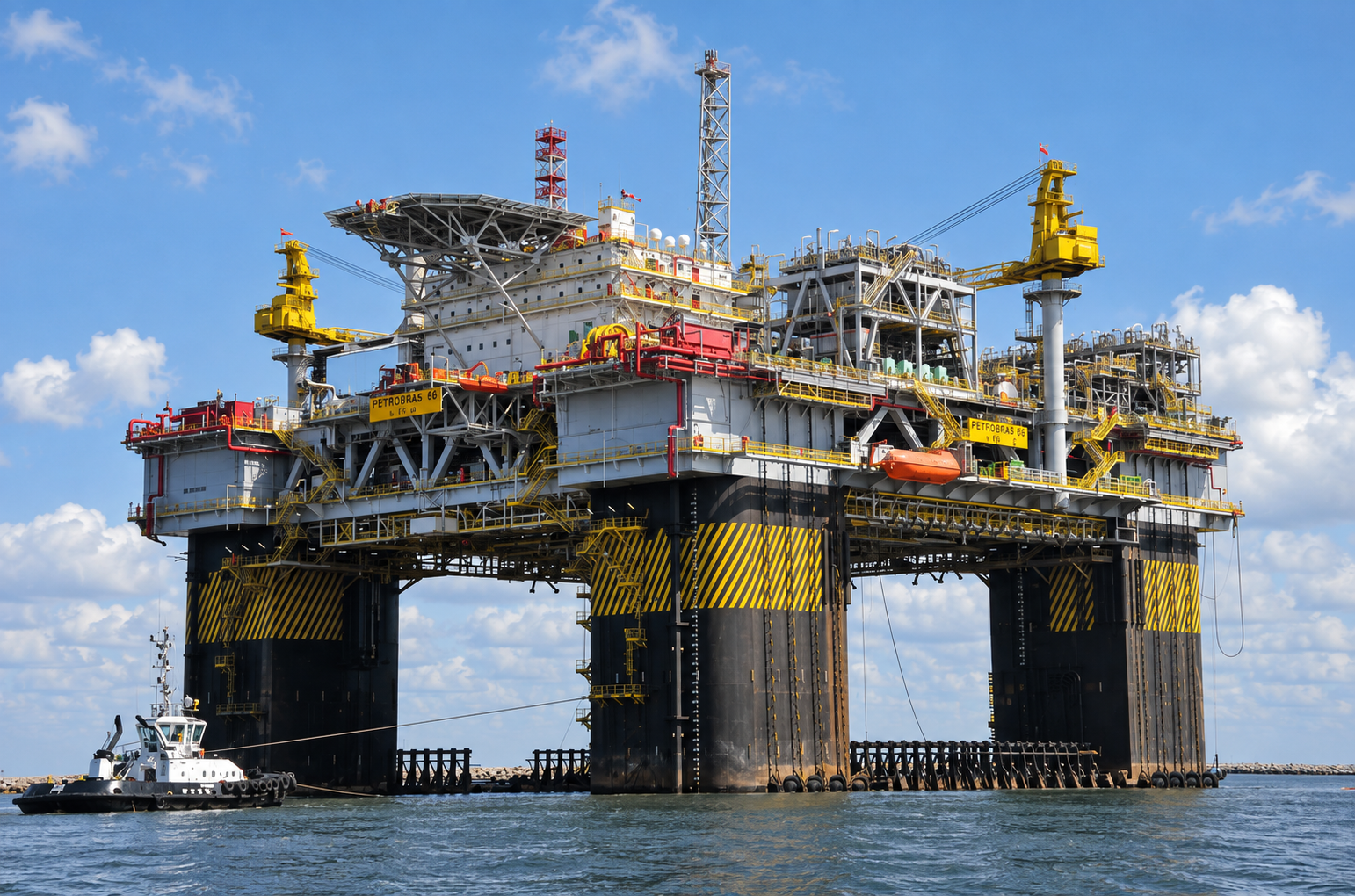
Other specialised units include Floating Production Units (FPUs) and Mobile Offshore Production Units (MOPUs), which provide offshore production or processing facilities.
How Do Offshore Vessels Work?
Offshore vessels combine propulsion with specialised equipment designed for a particular offshore task. The exact arrangement depends on the vessel’s mission.
A PSV uses cargo-handling systems and a large working deck to move supplies between shore and offshore installations. An AHTS uses heavy-duty winches and anchor-handling systems for rig moves and towing. A DSV uses diving systems and ROVs for subsea inspection, maintenance, and repair. Construction vessels may use large cranes and other project-specific equipment to install offshore infrastructure.
Many offshore vessels also use dynamic positioning (DP). DP uses computers, position-reference systems, and thrusters to keep a vessel in a required position without relying only on anchors. This is especially useful near offshore structures and during precise subsea operations.
In simple terms, the mission determines the machinery. Offshore vessels are designed around the work they need to perform.
What Is Dynamic Positioning on an Offshore Vessel?
Dynamic Positioning, or DP, is a system that automatically controls a vessel’s position and heading.
A DP system uses sensors and position-reference systems to determine the vessel’s position. A computer compares the actual position with the required position and controls the thrusters to counter forces such as wind, waves, and current.
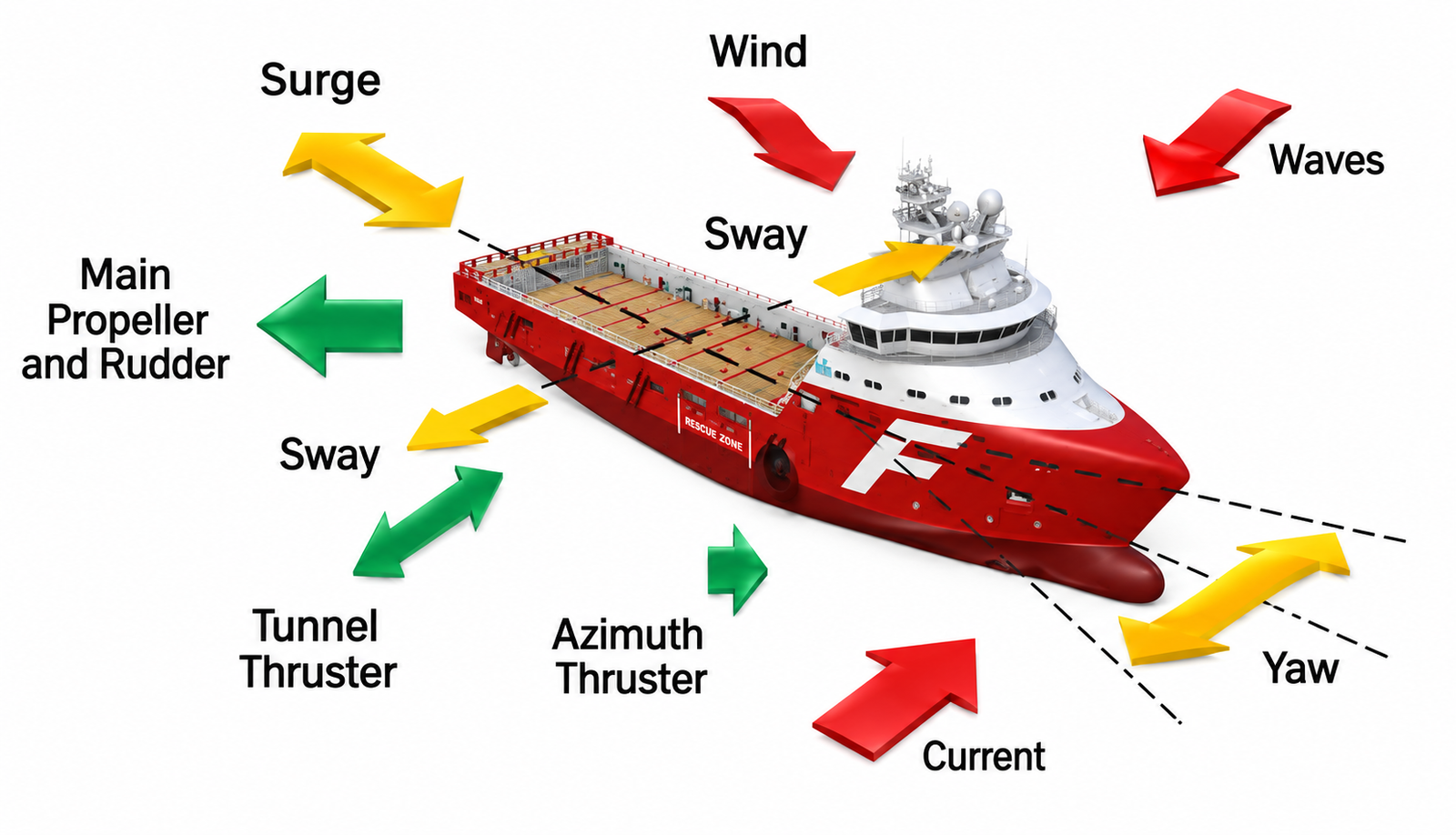
DP is useful during subsea work, construction, drilling support, cable installation, and offshore wind operations. It allows vessels to maintain a precise position during tasks that require controlled movement.
DP systems have different class levels, with higher levels generally providing greater redundancy. However, not every offshore vessel has DP. It is a capability used for specific tasks, not a requirement that defines an offshore vessel.
Key Features of Offshore Vessels
| Feature | Purpose | Image |
|---|---|---|
| Large working deck | Carries equipment, project cargo, and offshore materials | 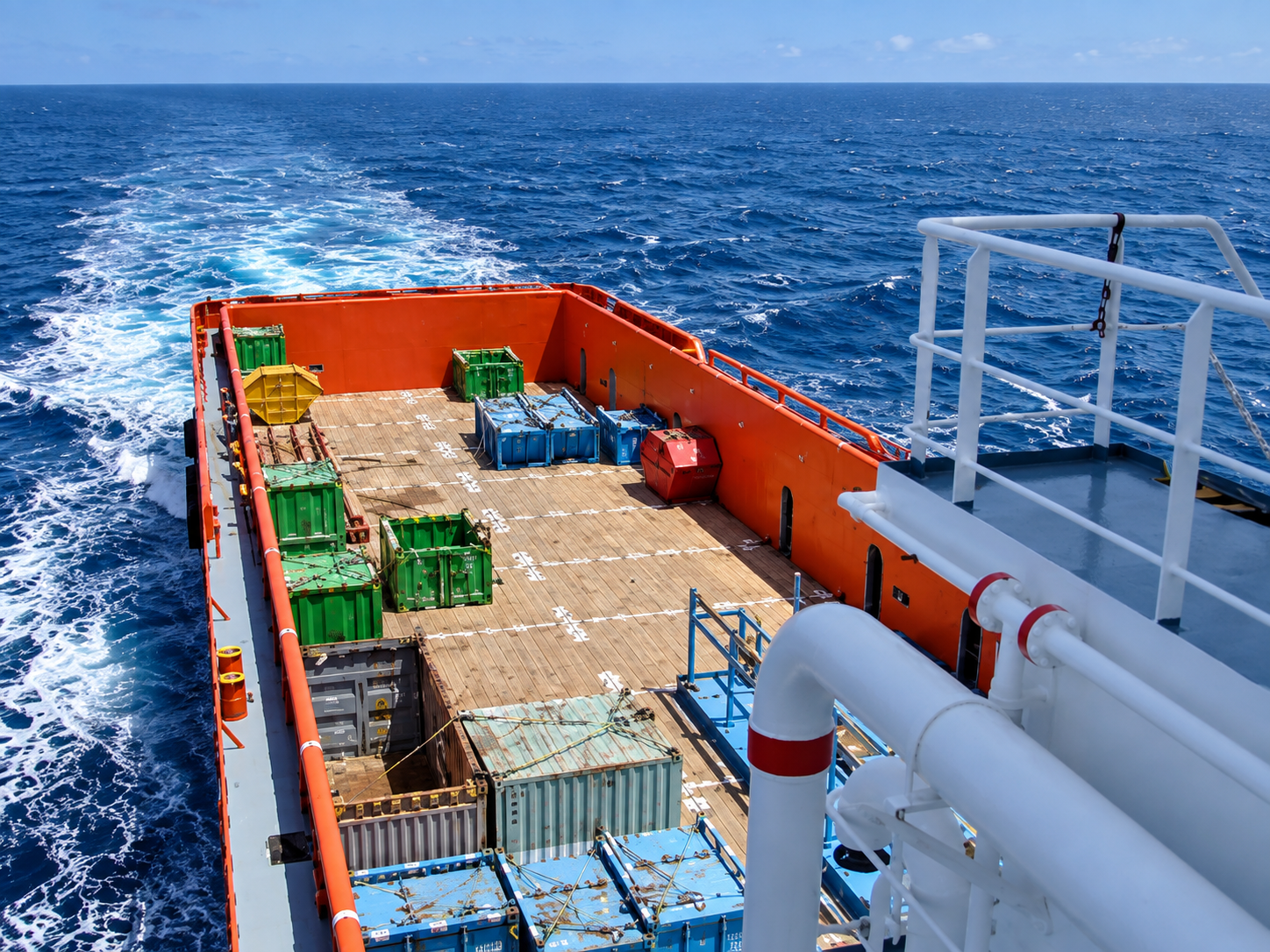 |
| Cranes | Lift equipment and materials during offshore operations. |  |
| Anchor-handling winches | Handle anchors and mooring equipment. |  |
| Towing winches | Tow offshore units and marine structures | 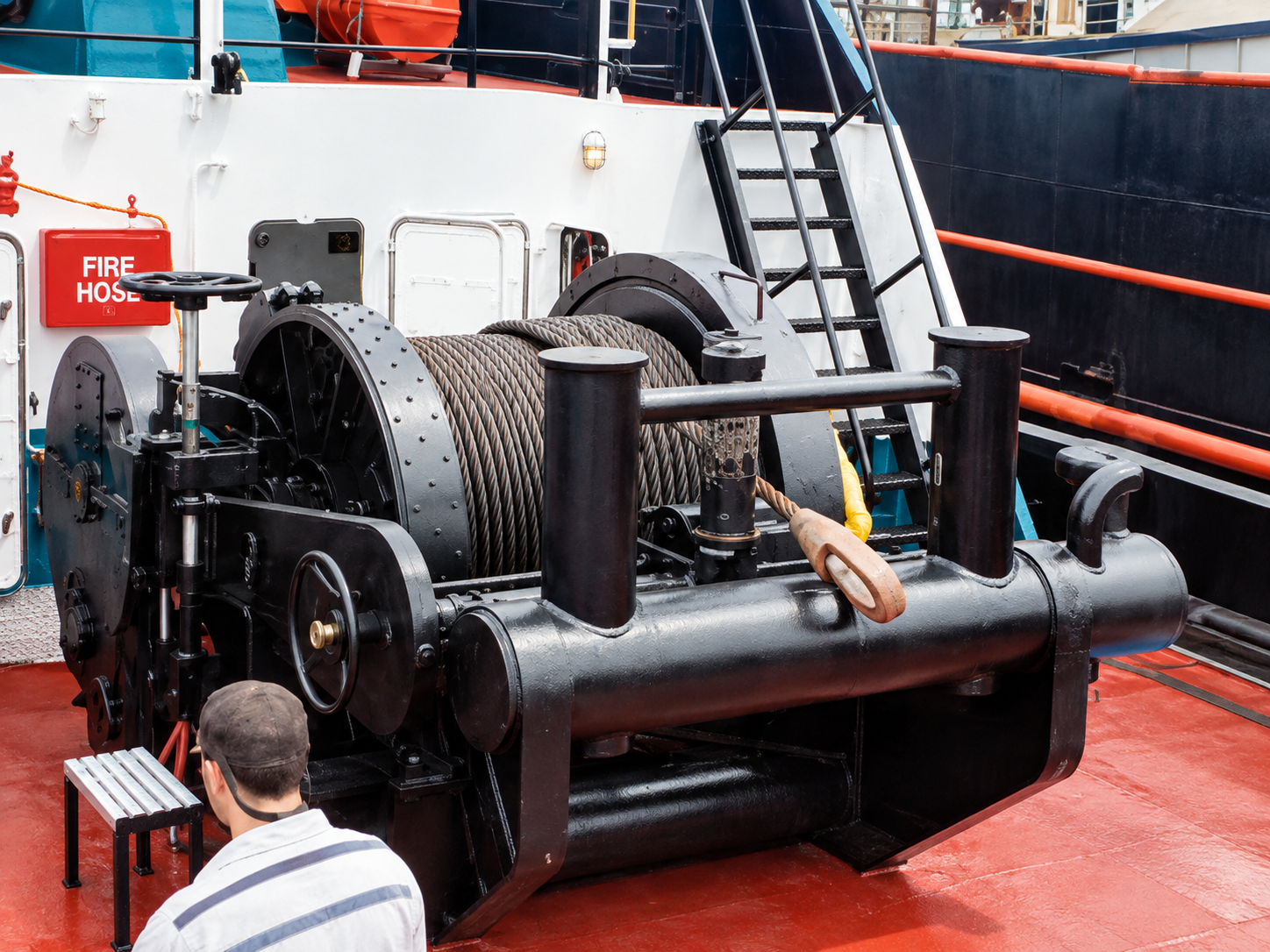 |
| Thrusters | Provide precise manoeuvring and support station keeping. | 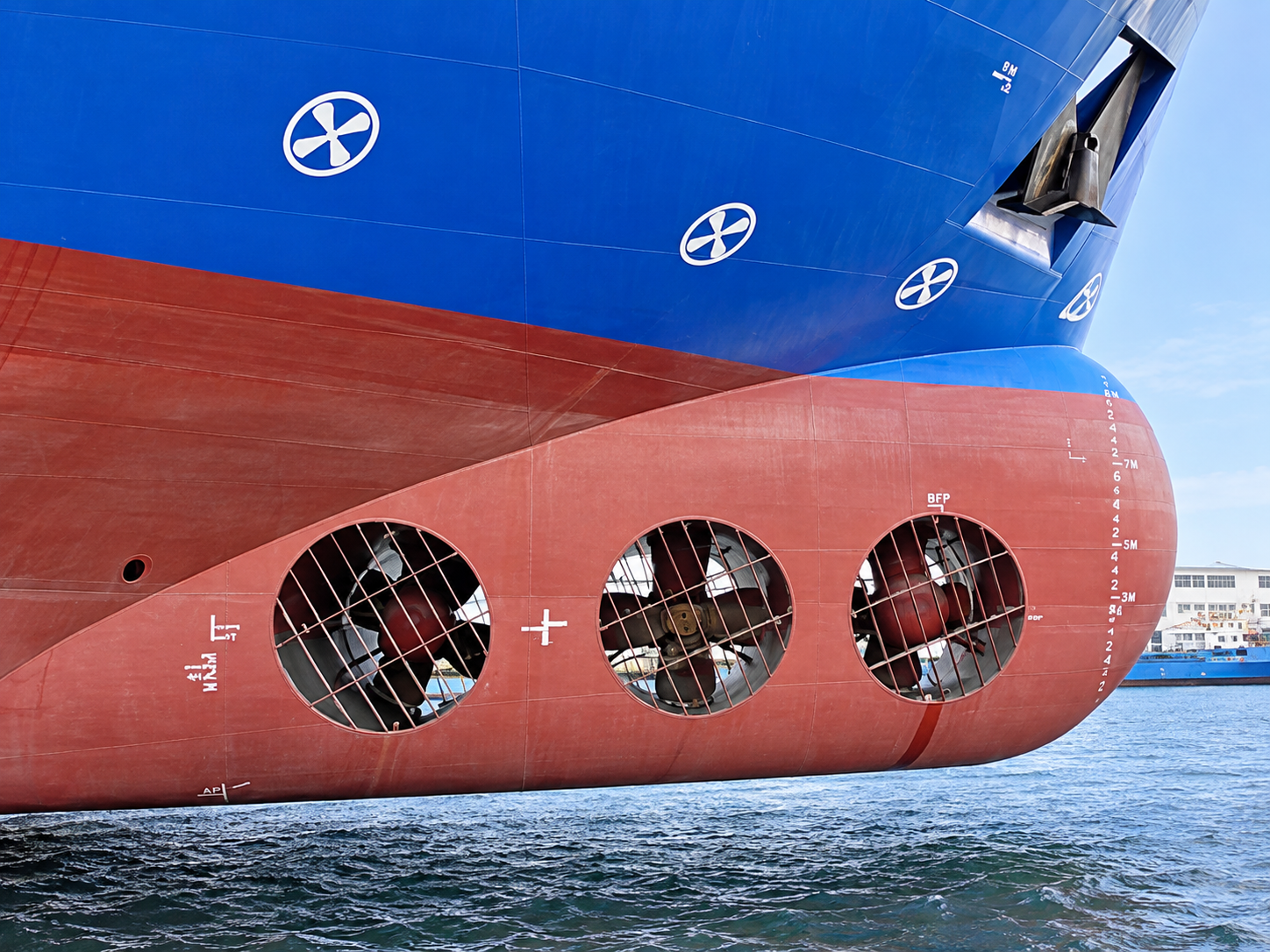 |
| ROV systems | Support subsea inspection, maintenance, and underwater work. | 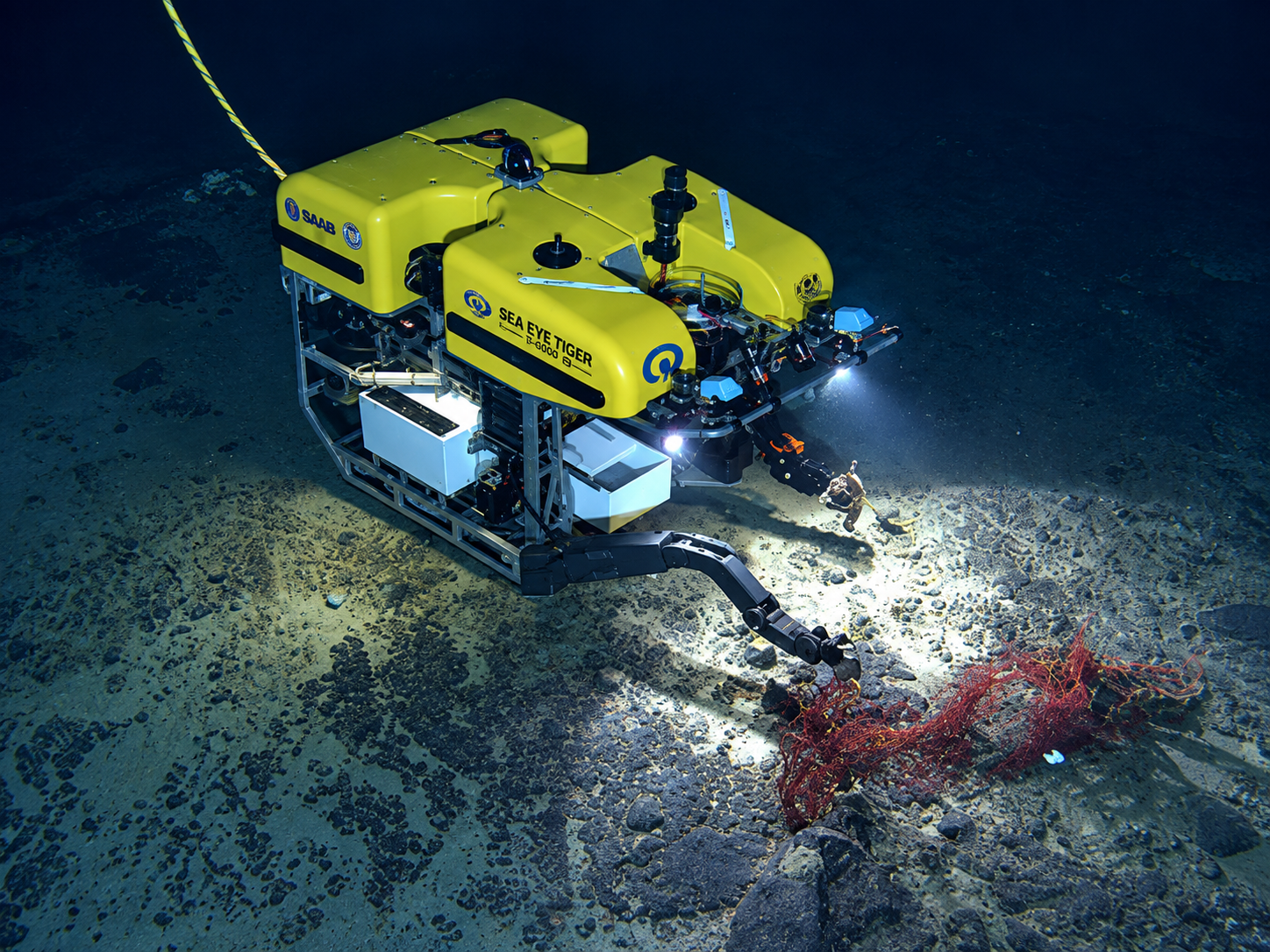 |
| Diving systems | Support professional diving and subsea operations. | 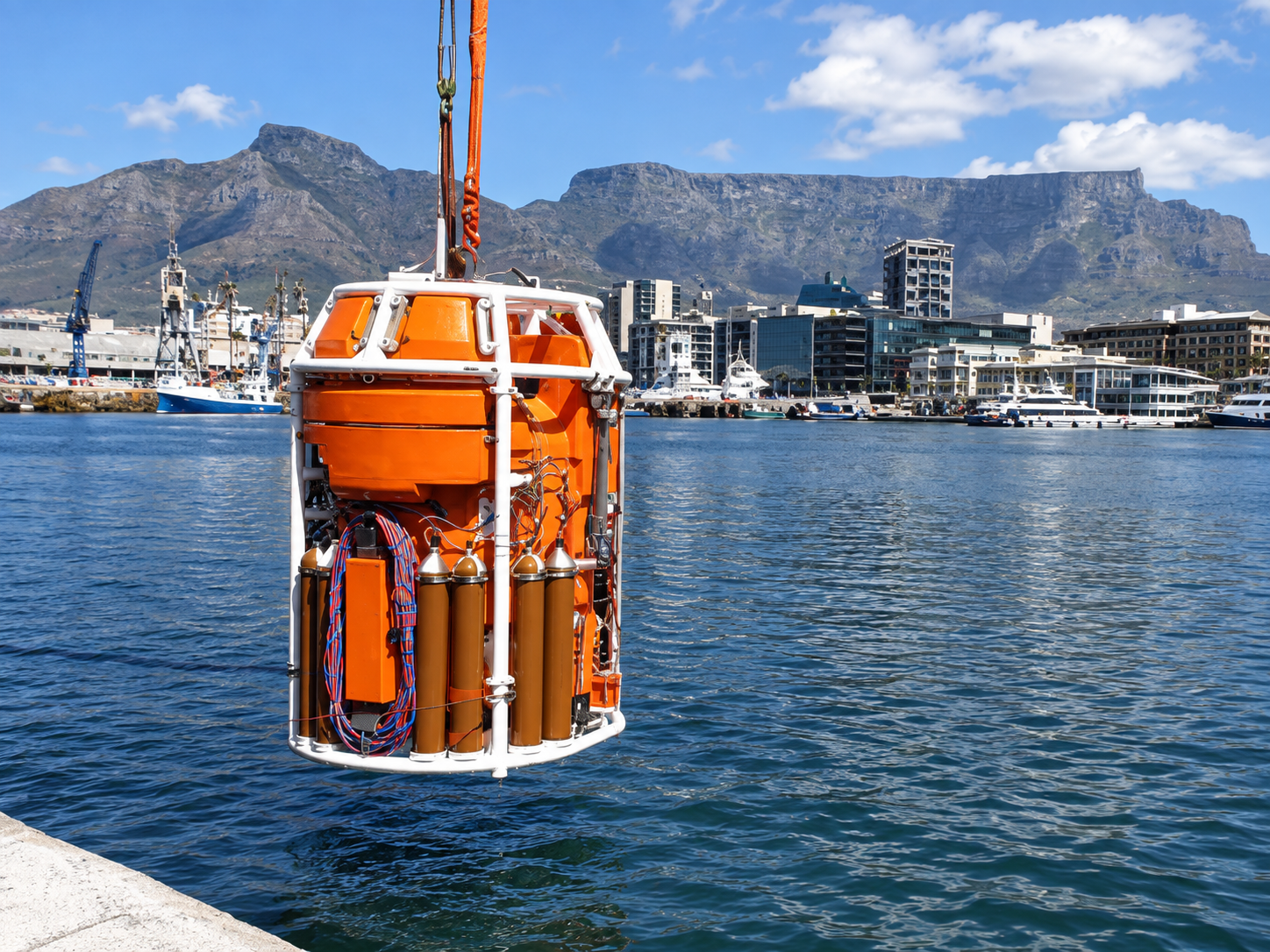 |
| Helideck | Supports helicopter operations where fitted | 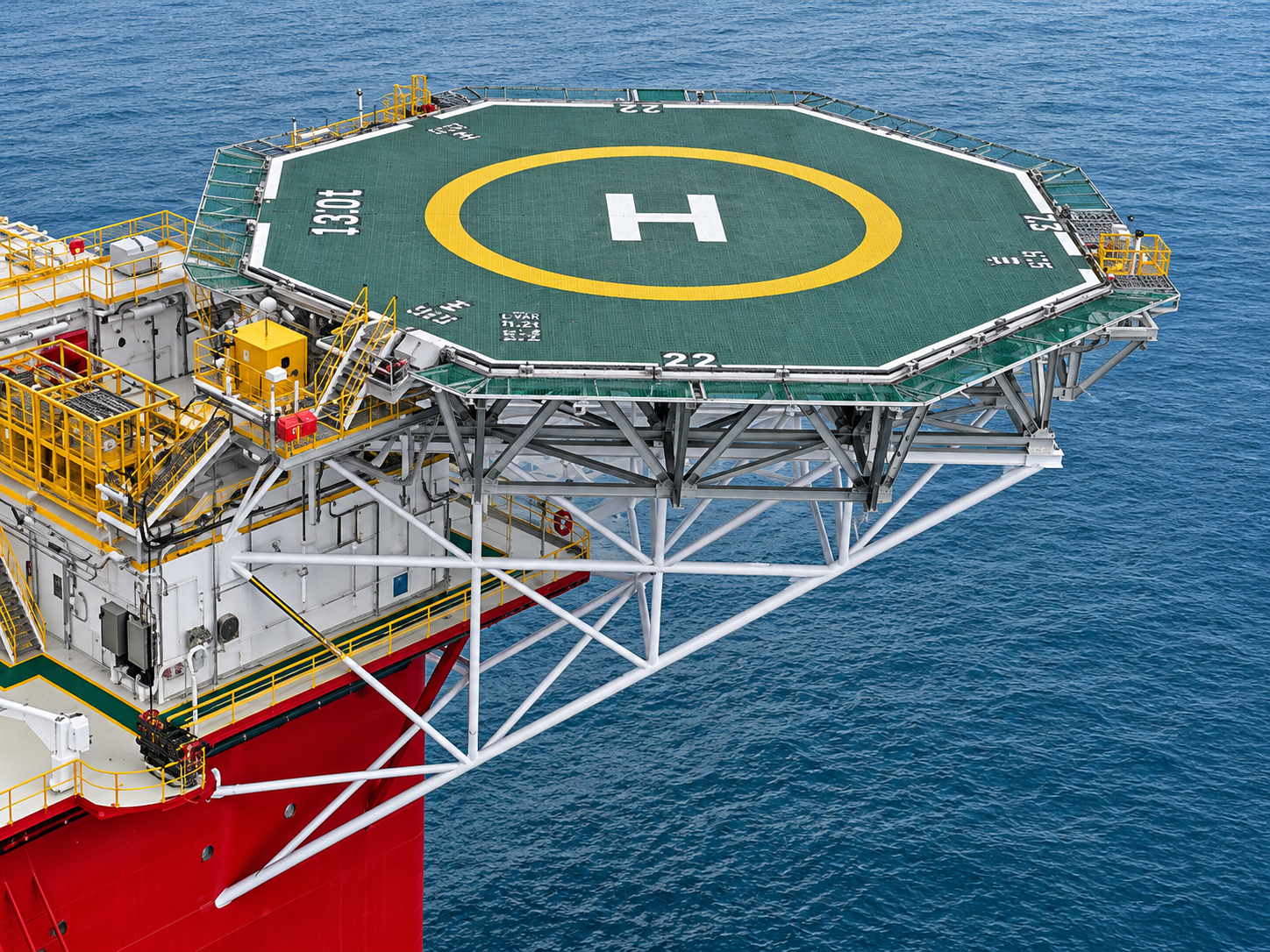 |
| Walk-to-work system | Transfers personnel between the vessel and offshore structures where fitted | 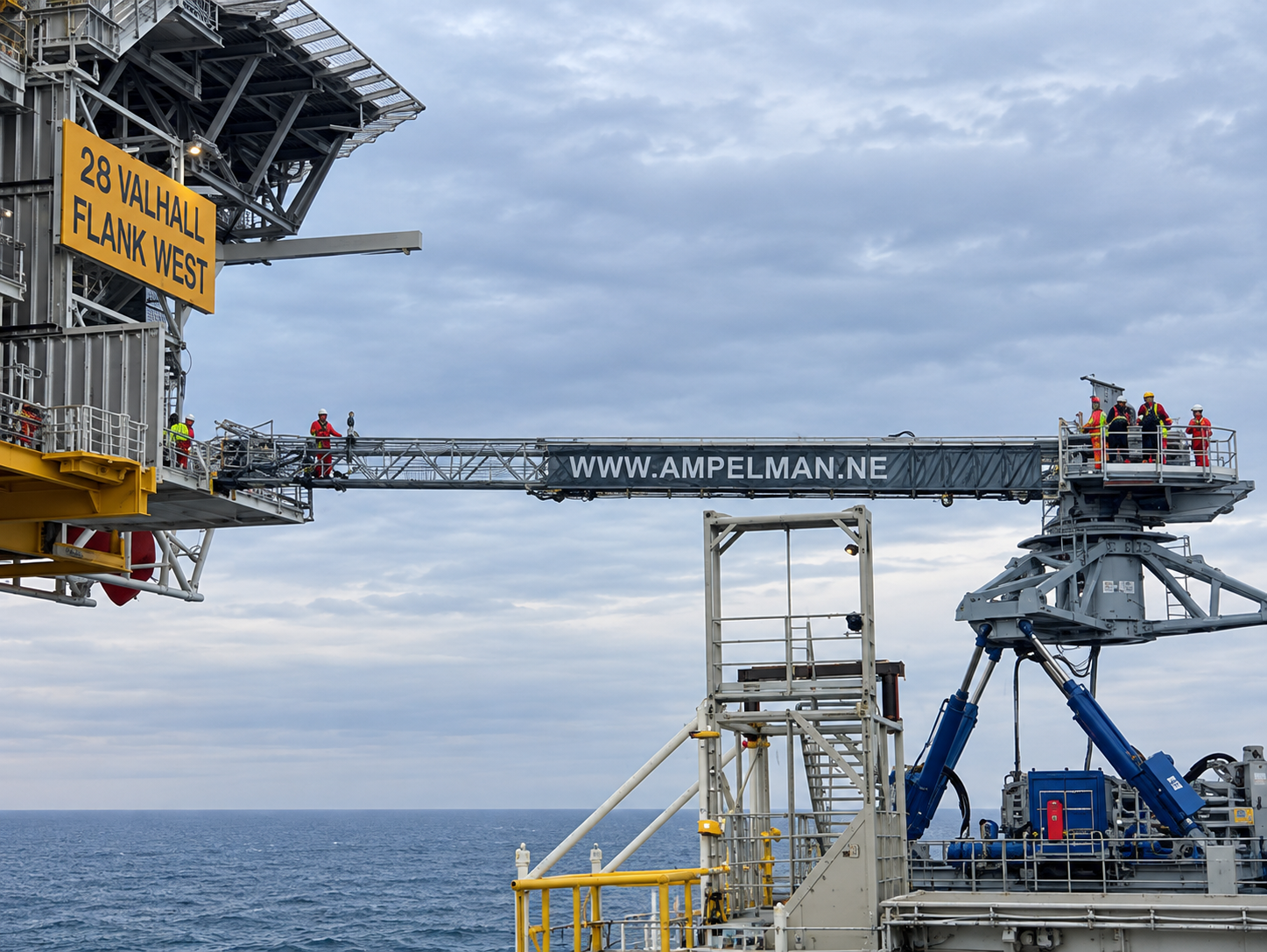 |
Offshore Vessels vs Other Ships
The main difference is the vessel’s primary job. A conventional cargo ship is designed to move cargo between ports, while an offshore support vessel is designed to support work at an offshore location. An AHTS may look like a tug because it performs towing work, but it is designed for offshore operations such as anchor handling and rig moves.
An FPSO may look like a tanker because of its storage tanks and ship-shaped hull, but its main role is offshore production, storage, and offloading. When comparing ships, look at what they are designed to do, not just their appearance.
How Are Offshore Vessels Designed?
The operating environment also affects the design. Offshore vessels may need to work in strong winds, waves, currents, and limited space around offshore structures. Vessels carrying cranes, diving systems, or other heavy equipment must also account for the weight and movement of that equipment.
As a result, there is no single design for an offshore vessel. A PSV is designed around cargo transport, an AHTS around towing and anchor handling, and a DSV around subsea operations. The vessel’s mission determines its layout, equipment, and capabilities.
Offshore Vessel Sizes and Capacities
Offshore vessels come in many sizes, with their dimensions and capacities based on the work they perform. Important specifications include deck space and crane capacity for cargo and lifting work, bollard pull for towing vessels, deadweight (DWT) for total carrying capacity, and personnel capacity for vessels carrying offshore workers.
Length, beam, and draft describe the vessel’s physical size and operating limits. The most important figures depend on the vessel type: an AHTS may be judged by bollard pull, while a PSV may be more concerned with cargo and deck capacity. For a construction vessel, crane capacity and working-deck area can be critical.
Who Works on Offshore Vessels?
An offshore vessel can have both shipboard crew and specialist offshore personnel. The ship’s crew operates and maintains the vessel, while specialist personnel may be onboard for a particular project or task.
Shipboard Crew

Shipboard Crew
The shipboard crew includes personnel from the deck, engine, and electrical departments. Their responsibilities cover navigation, cargo operations, machinery, maintenance, safety, and general vessel operations. On vessels using dynamic positioning, qualified DP personnel may also be part of the crew.
Specialist Offshore Personnel

The type of offshore work determines which specialists are needed. Depending on the project, this may include ROV personnel, divers, crane personnel, surveyors, subsea specialists, offshore technicians, and other industrial personnel.
Not everyone working on an offshore vessel is necessarily a seafarer or ship’s crew member. Specialist industrial personnel may come aboard for a specific project while the ship’s crew remains responsible for operating the vessel.
Frequently Asked Questions
1. What is an offshore vessel?
An offshore vessel is designed to support specific offshore operations, including oil and gas, offshore wind, subsea construction, and cable installation.
2. What is the difference between an offshore vessel and a normal cargo ship?
A cargo ship mainly transports cargo between ports, while an offshore vessel supports work at sea and is equipped for a specific offshore task.
3. What is the difference between a PSV and an AHTS?
A PSV mainly transports supplies and equipment to offshore installations, while an AHTS also performs anchor handling, towing, and rig moves.
4. Are Crew Transfer Vessels (CTVs) used to transfer sailors from shore to ships?
No. CTVs primarily transfer personnel between shore and offshore wind facilities, rather than transferring merchant-ship crew between ports and ships.
5. What is the difference between a CTV and an SOV?
A CTV handles shorter personnel transfers to offshore wind facilities, while an SOV supports longer maintenance operations and can provide accommodation and walk-to-work systems.
6. What is the difference between an FPSO and an FSO?
An FPSO performs offshore production, processing, storage, and offloading, while an FSO primarily provides storage and offloading without the same production function.
7. What is the difference between FLNG and FSRU?
An FLNG processes and liquefies natural gas offshore, while an FSRU stores LNG and regasifies it before transferring the natural gas ashore.
8. Do all offshore vessels have Dynamic Positioning (DP)?
No. DP is a specialised capability for precise position and heading control and is fitted when required by the vessel’s offshore operations.
References and Further Reading
- StatCode5 https://cdn.ihs.com/www/pdf/Statcode-Shiptype-Coding-System.pdf
- Directorate General of Shipping (DG Shipping), Government of India https://dgma.gov.in/
- International Maritime Organisation (IMO) https://www.imo.org/en
- DNV – Offshore Classification https://www.dnv.com/maritime/offshore-classification/
- IMO Code of Safe Practice for the Carriage of Cargoes and Persons by Offshore Supply Vessels (OSV Code).
- IMO Code for the Construction and Equipment of Mobile Offshore Drilling Units (MODU Code).
- G+ Global Offshore Wind Health & Safety Organisation https://www.gplusoffshorewind.com/

Abhiraj Singh is a seafarer, maritime technical writer, and lifelong learner with a passion for exploring the world of shipping beyond the bridge and engine room. His writing covers merchant ships, navigation, seamanship, cargo operations, maritime regulations, shipboard safety, and the technologies that keep global trade moving. Through IMUmate, he contributes educational content designed to prepare the next generation of seafarers for both examinations and life at sea.